Key Takeaways
- Pest activity changes with temperature, moisture, food, and available shelter.
- Spring often brings ants, emerging wasps, and renewed rodent movement.
- Summer can increase pressure from mosquitoes, flies, ants, and stinging insects.
- Fall is an important time to inspect buildings for rodent entry points.
- Mild weather can shift the timing of pest activity without guaranteeing an infestation.
- Repairs, sanitation, drainage, and routine inspections reduce pest pressure year-round.
Western Washington’s mild, wet climate creates changing pest concerns throughout the year. Rain, dry stretches, temperature shifts, and seasonal food sources can all affect where pests travel, feed, nest, and seek shelter. For homeowners and business operators, working with a local pest control provider like United Pest Solutions can be useful when recurring activity requires closer inspection.
Seasonal pest control is not about expecting the same problem every month. Ants may follow moisture into gaps in walls after rain, while rodents may move toward dry, protected indoor spaces as nights grow cooler. Watching for small changes around a property makes it easier to address conditions before they become larger issues.
Why Weather Changes Pest Behavior
Pests respond differently to weather because their needs differ. Moisture can support insects that need damp environments, while prolonged dry weather may push some pests toward irrigated landscaping, leaks, or indoor water sources. Warm conditions can also increase outdoor foraging activity, particularly where food waste, vegetation, or standing water is available.
Buildings can provide steady shelter when outdoor conditions become less favorable. Cracks around utility lines, loose weatherstripping, damaged screens, and gaps beneath doors may provide pests with a route indoors. That is why exterior maintenance is as important as indoor cleaning.
Spring Pest Activity In Western Washington
As temperatures rise and plants begin growing, spring often brings more visible pest activity. Carpenter ants may appear near damp or damaged wood, while odorous house ants can forage around kitchens, patios, and pet-food areas. Overwintering rodents may also become more noticeable as they move between nesting and food sources.
Spring is also when wasp queens begin looking for protected nesting locations around eaves, sheds, decks, and wall voids. Shaded lawns, brushy edges, and pet areas can also be worth checking for fleas and ticks, especially where animals spend time outdoors.
A Practical Spring Checklist
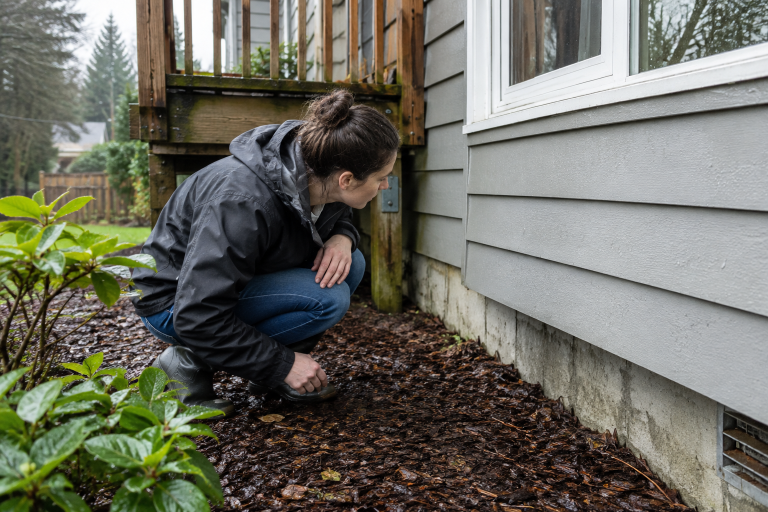
- Inspect roof edges, eaves, crawl-space vents, and window screens.
- Check plumbing penetrations and utility openings for gaps.
- Look for moisture-damaged wood near siding, decks, and foundations.
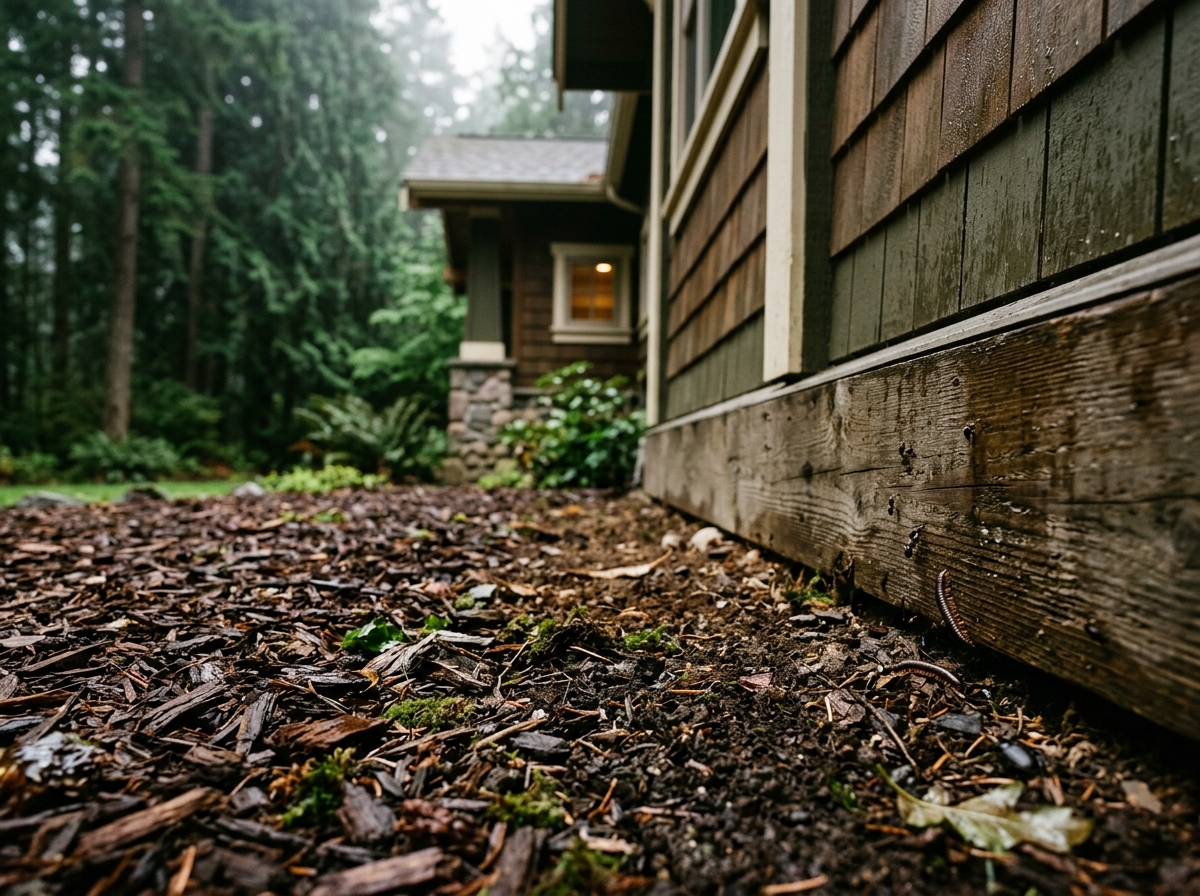
- Keep soil, mulch, and dense plants from resting directly against siding.
- Repair dripping outdoor faucets and improve drainage where water collects.
Summer Brings More Outdoor Pest Pressure
Summer usually means more time outdoors, more open doors, and more opportunities for pests to find food and water. Uncovered trash, outdoor dining areas, pet bowls, compost, and spills can attract flies, ants, and stinging insects. Standing water in containers, clogged gutters, toys, or poorly drained areas can also support mosquito breeding.
Common summer concerns include yellowjackets, paper wasps, mosquitoes, flies, pavement ants, and spiders that follow other insects near exterior lighting. Keep people and pets away from an active stinging-insect nest rather than attempting to knock it down or spray it at close range. Disturbing a nest can increase the chance of stings.
Fall Is A Prime Time For Rodent Prevention
Cooler nights and shorter days can make garages, crawl spaces, attics, wall voids, and storage rooms more appealing to mice and rats. Rodents can enter through small openings around doors, vents, pipes, foundations, and utility lines. Early fall is a practical time to close those access points before indoor activity becomes established.
As cooler temperatures and rain return to Seattle in the fall, property owners can use the seasonal shift as a reminder to inspect exterior conditions that allow moisture and pests to reach the building.
Fall Inspection Sequence
- Walk the full exterior perimeter and inspect the foundation, doors, and vents.
- Look for droppings, gnaw marks, grease marks, or nesting material.
- Trim shrubs and tree limbs away from walls and rooflines.
- Move firewood, cardboard, and stored materials away from the foundation.
- Store birdseed and pet food in tightly sealed containers.
- Repair damaged screens, weather stripping, and vent covers.
Winter Does Not Stop Every Pest Problem
Winter may reduce some outdoor insect activity, but it does not eliminate pest risks inside heated buildings. Rodents, cockroaches, pantry pests, and spiders can remain active where food, moisture, warmth, and hidden spaces are available. Commercial kitchens, apartment buildings, storage areas, and multi-unit properties may require consistent monitoring year-round.
A winter inspection should focus on leaks under sinks, food storage, trash handling, utility rooms, and cluttered storage areas. Cardboard boxes, seldom-used closets, and unsealed bulk food can create hiding places or food sources that are easy to overlook.
How Mild Weather Can Extend Pest Activity
Warm spells in late fall or winter can change the timing of outdoor activity. They may extend foraging periods, delay seasonal slowdowns, or make insects more noticeable around foundations and landscaping. That does not mean every mild period produces a pest outbreak, but it does make regular observation worthwhile.
For example, the giant house spider mating season in Seattle can lead to more noticeable indoor sightings as adult males move in search of mates. A sudden sighting does not necessarily indicate an unusually large population or a sanitation problem.
Prevention Steps That Work In Every Season
- Seal gaps around doors, windows, pipes, vents, and foundation openings.
- Fix leaks and direct water away from the foundation.
- Store food, pet food, and birdseed in sealed containers.
- Clean crumbs, spills, and grease promptly.
- Empty indoor and outdoor trash regularly and keep lids closed.
- Remove standing water from gutters, pots, drains, and outdoor items.
- Keep vegetation away from walls, windows, and rooflines.
- Inspect boxes, plants, firewood, and used furniture before bringing them indoors.
When To Call For A Professional Inspection
Professional help may be appropriate when signs return after basic prevention steps, several rooms are affected, pests appear to be using wall or ceiling spaces, or the issue involves rodents, stinging insects, or possible wood damage. Repeated daytime sightings, fresh droppings, scratching sounds, gnaw marks, frass, urine odors, and food contamination are all signs that deserve prompt attention.
Questions Readers Commonly Ask
What Season Has The Most Pest Activity?
Late spring through early fall often brings the most visible insect activity. Rodents may become more noticeable indoors during fall and winter as they seek shelter.
Can Heavy Rain Drive Pests Indoors?
Rain can disrupt outdoor nesting and feeding areas. Some pests may then search for drier shelter, food, or warmer spaces inside a building.
Do Clean Homes Still Get Pests?
Yes. Cleanliness reduces available food and hiding places, but pests can still enter through gaps, follow moisture, or arrive in boxes, plants, firewood, and used items.
How Often Should A Property Be Inspected?
Seasonal checks work well for many properties. Restaurants, warehouses, older buildings, and multi-unit housing may benefit from more frequent monitoring because they can have more entry points, storage areas, or shared utility spaces.
Conclusion
Seasonal pest prevention begins with paying attention to weather and property conditions. In Western Washington, repairs, sanitation, moisture control, and timely inspections can limit opportunities for pests throughout 2026. A steady routine helps turn small warning signs into manageable maintenance tasks instead of larger pest problems.