Scabies is a highly contagious skin infection caused by a microscopic mite called Sarcoptes scabiei. The infection is characterized by an itchy rash that can spread quickly from person to person, especially in crowded places such as hospitals, schools, and nursing homes. If you or someone in your household has been diagnosed with scabies, it is important to take immediate action to disinfect your home and prevent further spread of the infection. In this article, we will discuss the best methods for disinfecting your home from scabies.
Understanding Scabies
Before we dive into the disinfecting methods, let’s first understand the nature of scabies. The infection is caused by a mite that burrows into the skin, causing intense itching and a red, bumpy rash. Scabies mites are transmitted through skin-to-skin contact with an infected person, or by sharing personal items such as clothing, bedding, and towels.

Symptoms of Scabies
Some common symptoms of scabies include:
- Intense itching, especially at night
- Small, red bumps on the skin
- Thin, irregular burrow tracks made up of tiny blisters or bumps on the skin
- Skin rash and irritation
- Sores caused by scratching
If you suspect that you or someone in your household has scabies, it is important to seek medical attention right away to prevent the infection from spreading.
How to Disinfect Your Home from Scabies
Disinfecting your home with scabies involves a multi-step process to ensure that all infected areas are thoroughly cleaned and disinfected. Here are some effective methods for disinfecting your home from scabies:
1. Wash All Clothing and Bedding
One of the most important steps in disinfecting your home from scabies is to wash all clothing and bedding in hot water and dry them on high heat. This will kill any scabies mites or eggs that may be living on these items. Be sure to wash all clothing, towels, and bedding that have been in contact with the infected person’s skin.
2. Vacuum and Mop All Floors
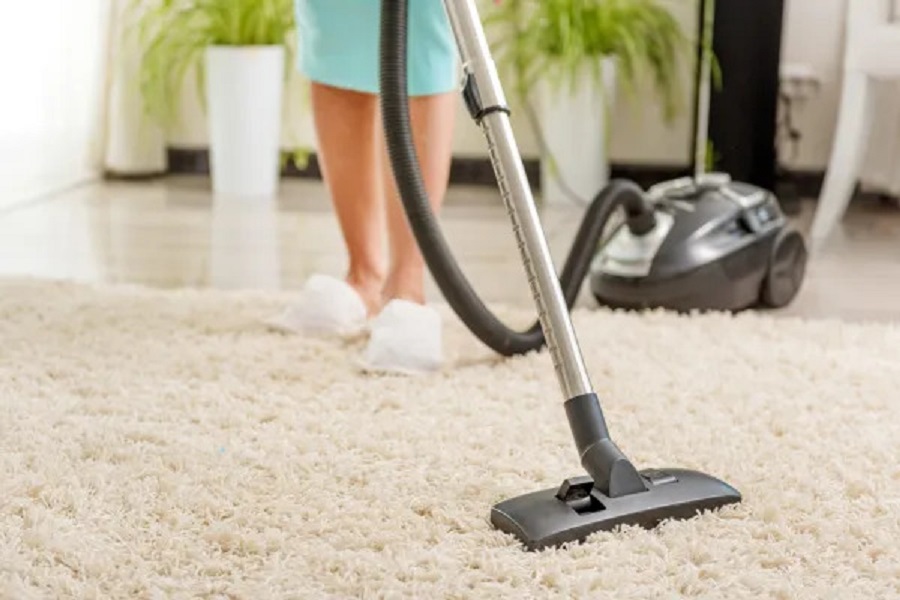
Scabies mites can live on floors and carpets, so it is important to vacuum and mop all floors in your home. Pay close attention to areas where the infected person spends most of their time, such as the bedroom and living room. Make sure to use a vacuum cleaner with a HEPA filter to capture all of the dust and allergens in your home.
3. Disinfect Furniture and Surfaces
Use a disinfectant spray or wipe to clean all furniture, surfaces, and objects in your home. This includes tables, chairs, doorknobs, light switches, and other high-touch surfaces. Be sure to follow the instructions on the disinfectant product and allow enough time for it to dry before using the surfaces again.
4. Seal and Store Non-Washable Items
If you have non-washable items such as stuffed animals or pillows, seal them in plastic bags and store them away for at least a week. Scabies mites cannot survive without a human host for more than a few days, so sealing these items will prevent them from spreading to other areas of your home.
5. Treat Pets for Mites
Scabies mites can also infest pets, so it is important to treat them for mites if you suspect that they may be infected. Talk to your veterinarian about the best treatment options for your pet.
Conclusion
Scabies is a highly contagious skin infection that requires immediate action to prevent further spread of the infection. Disinfecting your home from scabies involves a multi-step process that includes washing all clothing and bedding, vacuuming and mopping floors, disinfecting furniture and surfaces, sealing and storing non-washable items, and treating pets for mites. By following these steps, you can effectively disinfect your home from scabies and prevent further spread of the infection.
If you or someone in your household has scabies, it is important to seek medical attention right away to receive proper treatment. In addition to disinfecting your home, you will also need to treat the infection on your skin with prescription medication from your doctor. This will help to eliminate the scabies mites and prevent further spread of the infection.
Remember, prevention is the best defense against scabies. To reduce your risk of getting scabies, avoid skin-to-skin contact with infected individuals and do not share personal items such as clothing, towels, and bedding. By taking these simple precautions, you can protect yourself and your family from this highly contagious skin infection.
FAQs
- How long does it take for scabies to go away?
Scabies can take several weeks to go away with treatment, but symptoms may improve within a few days of starting treatment.
- Can scabies live on furniture and surfaces?
Yes, scabies mites can live on furniture and surfaces for several days. It is important to disinfect these areas if you or someone in your household has scabies.
- Can I get scabies from my pets?
Yes, scabies mites can infest pets, but they cannot survive for long without a human host. If you suspect that your pet may be infected, talk to your veterinarian about treatment options.
- Can I use over-the-counter products to treat scabies?
No, over-the-counter products are not effective at treating scabies. You will need a prescription medication from your doctor to effectively treat the infection.
- How can I prevent getting scabies?
To prevent getting scabies, avoid skin-to-skin contact with infected individuals and do not share personal items such as clothing, towels, and bedding.