

Outdoor enthusiasts know that comfort can make or break an adventure. Whether you’re camping in the wilderness, attending a music festival, or watching your child’s soccer game, having a comfortable place to sit transforms your experience. Folding camping chairs have revolutionized how we enjoy outdoor activities by providing portable comfort wherever we go.
Gone are the days of sitting on uncomfortable logs, cold ground, or rickety benches. Modern portable seating solutions combine innovative design with practical functionality, making them essential gear for anyone who spends time outdoors. These chairs pack down small, weigh little, and set up in seconds, yet they provide the support and comfort you need after a long day of hiking or exploring.
This comprehensive guide explores how collapsible camping chairs enhance your outdoor experiences and why travel camp chairs have become must-have equipment for adventurers of all types. You’ll discover the features that matter most, learn how to choose the right chair for your needs, and understand why investing in quality portable seating pays off in comfort and convenience.
The Evolution of Portable Outdoor Seating
Camping chairs have come a long way from the heavy, bulky lawn chairs of the past. Early designs focused solely on functionality, with little consideration for portability or comfort. However, as outdoor recreation became more popular and camping evolved, manufacturers began developing lighter, more compact solutions.
Modern materials and engineering have transformed portable seating entirely. Today’s chairs use aerospace-grade aluminum, high-strength synthetic fabrics, and innovative folding mechanisms that seemed impossible just a decade ago. These advancements mean you no longer need to choose between comfort and portability.
The shift toward ultralight backpacking and minimalist camping culture pushed manufacturers to rethink chair design completely. They discovered that with smart engineering, a chair could weigh less than a water bottle while still supporting hundreds of pounds. Additionally, new folding patterns allowed chairs to compress into packages small enough to fit in a backpack’s side pocket.
Consumer demand for versatility also shaped development. People wanted chairs that worked equally well at campsites, beaches, sporting events, and backyard gatherings. Therefore, manufacturers created multi-purpose designs that excel in various environments and situations.
Key Comfort Features That Matter
Comfort in portable seating comes from multiple design elements working together. Understanding these features helps you appreciate why quality chairs feel so much better than budget alternatives.
Seat depth and width determine whether a chair accommodates your body properly. Chairs that are too narrow create pressure points, while those that are too deep leave your legs dangling uncomfortably. Quality designs balance these dimensions to fit a wide range of body types comfortably.
Back support separates exceptional chairs from mediocre ones. Look for designs that support your lumbar region and allow you to lean back without tipping. Some chairs include adjustable backrests that let you customize the recline angle based on your activity and preference.
Armrests provide a place to rest your arms and make getting in and out of the chair much easier. However, they add width and weight to the design. Consider whether armrests are worth the trade-off based on how you’ll use the chair most often.
Fabric tension affects both comfort and durability. The material should stretch slightly to conform to your body without sagging excessively. High-quality fabrics maintain proper tension even after years of use, while cheap materials stretch out quickly and become uncomfortable.
Seat height influences how you’ll use the chair. Lower chairs work well for beaches and around campfires where you want to be close to the ground. Higher chairs make it easier to get up and down, particularly for older users or those with mobility concerns.
Portability and Convenience Advantages
The primary advantage of folding chairs is their ability to go anywhere you do. This portability opens up comfort possibilities in situations where fixed seating isn’t available or practical.
Weight becomes crucial when you’re carrying your chair any distance. Ultralight models weigh as little as one pound, making them barely noticeable in your pack. Even full-featured chairs with armrests typically weigh just three to five pounds, which is manageable for most people.
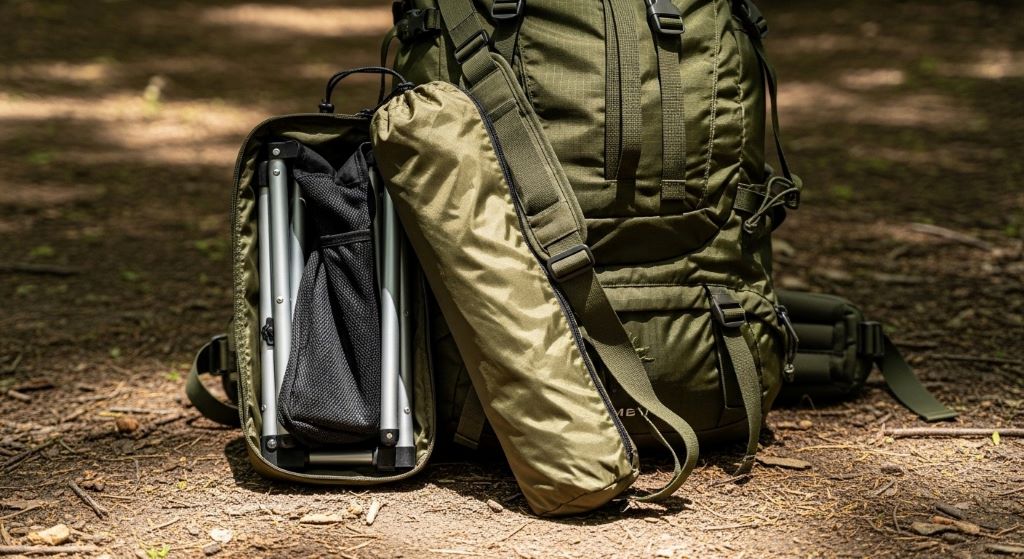
Packed size determines how easily you can transport your chair. The most compact designs fold down to the size of a water bottle and slip into carrying bags that attach to backpacks. Larger chairs might pack into tube shapes about two feet long, which still fit easily in car trunks or behind vehicle seats.
Setup speed matters when you arrive at your destination tired and ready to relax. The best designs deploy in seconds with simple, intuitive mechanisms. You shouldn’t need instructions or struggle with complicated assembly just to sit down.
Carrying systems range from simple stuff sacks to integrated shoulder straps and backpack-style carriers. Choose a carrying method that matches how you’ll transport the chair most often. Additionally, consider whether the carry bag has pockets for small items like phones or snacks.
Durability in Outdoor Environments
Outdoor gear faces harsh conditions that quickly reveal quality differences. Your chair needs to withstand sun, rain, dirt, and rough handling while maintaining structural integrity and comfort.
Frame construction determines longevity and weight capacity. Aluminum alloy frames offer the best strength-to-weight ratio for most applications. Steel frames are heavier but more affordable and still quite durable. Look for frames with reinforced stress points where poles connect, as these areas typically fail first.
Fabric quality affects both comfort and lifespan. Ripstop nylon resists tears and handles moisture well. Polyester dries quickly and resists UV damage. Heavier-duty fabrics last longer but add weight. Consider the trade-offs based on how roughly you’ll use the chair and how much weight matters.
Joint mechanisms endure significant stress with each use. Premium chairs use shock-cord systems, stainless steel pins, or sophisticated hub designs that resist wear. Cheaper chairs often have plastic connectors that crack or joints that loosen over time.
Weather resistance varies considerably between models. Some chairs handle rain and humidity without issues, while others develop mildew or corrosion. If you’ll use your chair in wet conditions frequently, prioritize materials specifically designed for moisture resistance.
Weight capacity isn’t just about maximum load. It’s an indicator of overall build quality and durability. Chairs rated for higher weights generally use stronger materials and better engineering, even if you don’t need that much capacity.
Different Styles for Different Activities
Not all camping chairs serve the same purpose. Understanding the various styles helps you choose the right option for your primary activities.
Backpacking chairs prioritize weight and packed size above all else. These minimalist designs often lack armrests and have lower weight capacities, but they pack smaller than a loaf of bread and weigh less than most sandwiches. They’re perfect for hikers who want comfort without significant pack weight.
Traditional camping chairs offer full-featured comfort with moderate portability. They include armrests, cup holders, storage pockets, and generous seating areas. While heavier and bulkier than backpacking options, they’re still portable enough for car camping, tailgating, and festival use.
Rocking chairs bring living room comfort outdoors. These designs incorporate curved bases that allow gentle rocking motion, which many people find incredibly relaxing. They’re larger and heavier but worth it if comfort is your top priority and you’re not hiking far.
Directors chairs provide tall seating with side tables or storage areas. The elevated position makes them popular with photographers, wildlife watchers, and anyone who wants a better vantage point. They’re less portable but highly functional for specific uses.
Loungers and recliners let you lean back and put your feet up. Some include adjustable positions, footrests, or even canopies for sun protection. These are luxury items for car camping where space and weight aren’t constraints.
Material Technology and Innovation
Modern camping chairs benefit from materials originally developed for aerospace and other high-tech applications. These advanced materials enable the combination of strength, light weight, and durability that defines quality portable seating.
Aircraft-grade aluminum provides exceptional strength while weighing very little. It resists corrosion and handles repeated folding cycles without fatiguing. However, it costs more than standard aluminum alloys, which is why you’ll find it primarily in premium chairs.
High-tenacity nylon fabrics resist tearing and abrasion far better than regular nylon. They incorporate ripstop patterns that prevent small tears from spreading. These fabrics also dry quickly and resist UV degradation, extending the chair’s lifespan significantly.
Breathable mesh fabrics improve comfort in hot weather by allowing air circulation. They dry faster after rain or morning dew and typically weigh less than solid fabrics. Some chairs use mesh backs with solid seat bottoms for optimal comfort and ventilation.
Compression straps and elastic cords help chairs maintain their folded shape during transport. These small details prevent the chair from expanding in your pack and make the overall carrying experience more pleasant.
Protective coatings on frames and fabrics add weather resistance without significant weight penalties. These treatments repel water, resist mildew, and protect against UV damage, extending the useful life of your chair considerably.
Maximizing Comfort During Extended Use
Even the best chair requires some consideration for maximum comfort during long sitting sessions. Understanding how to optimize your setup enhances your outdoor experience significantly.
Ground surface affects stability and comfort more than many people realize. Soft sand or uneven terrain can leave your chair wobbly or tilted. Look for stable, level spots whenever possible. Some chairs include wider feet or stabilizing straps that improve performance on challenging surfaces.
Cushions and pads add comfort for extended sitting. While they increase bulk and weight, the comfort improvement can be substantial during all-day events or multi-day camping trips. Some people bring small lumbar support pillows or seat cushions to personalize their chair comfort.
Proper positioning relative to activities matters. Place your chair at the right distance and angle for campfires, scenic views, or social gatherings. Being slightly elevated helps you engage in conversations more easily than sitting at different heights.
Adjusting your posture periodically prevents stiffness. Even the most comfortable chair becomes uncomfortable if you sit in exactly the same position for hours. Shift your weight, change your leg position, and stand up regularly to stretch.
Maintaining your chair through cleaning and proper storage extends its comfort lifespan. Dirt and grit can work into joints and fabrics, causing premature wear. A quick wipe-down after each trip and thorough cleaning seasonally keeps everything working smoothly.
Value Considerations and Investment
Camping chairs span a wide price range, from basic models under twenty dollars to premium options costing several hundred. Understanding what drives these price differences helps you make informed purchasing decisions.
Budget chairs work fine for occasional use but typically sacrifice comfort, durability, or both. They’re acceptable for situations where portability and longevity don’t matter much. However, frequent users find they save money in the long run by investing in better quality upfront.
Mid-range options provide the best value for most people. They incorporate quality materials and thoughtful design without premium pricing. These chairs balance weight, comfort, and durability effectively for regular outdoor use.
Premium chairs justify their cost through superior materials, innovative features, and exceptional longevity. They’re worthwhile investments for serious outdoor enthusiasts who use their chairs frequently and demand the best performance.
Warranty coverage indicates manufacturer confidence in their product. Companies offering multi-year warranties stand behind their designs and typically use better materials and construction. Additionally, good warranties provide peace of mind and protect your investment.
Cost per use presents the most meaningful value calculation. A chair you use fifty times per year for five years costs just pennies per use, even at premium prices. Conversely, a cheap chair used once and discarded offers poor value regardless of its low price.
Versatility Beyond Camping
While designed for camping, these chairs prove useful in numerous situations. Their portability and convenience make them valuable additions to your gear collection far beyond wilderness adventures.
Beach trips benefit enormously from portable seating. Sand makes fixed chairs impractical, and sitting on towels leaves you at awkward heights. A lightweight chair keeps you off the hot sand while remaining easy to transport and reposition as shade moves.
Sports events become more enjoyable with proper seating. Whether you’re watching youth sports, attending outdoor concerts, or tailgating before games, having your own comfortable chair beats bleachers or standing. Many venues even encourage bringing your own seating.
Backyard gatherings often need extra seating. Folding chairs store compactly when not needed and deploy quickly when guests arrive. They’re particularly useful for cookouts, bonfires, or outdoor parties where you need flexible seating arrangements.
Fishing excursions involve long periods of sitting and waiting. Comfortable seating makes these sessions more enjoyable and less fatiguing. Some fishing-specific chair designs even include rod holders and tackle storage.
Photography and wildlife observation require patience and stillness. Having a comfortable seat lets you wait longer for perfect shots or animal appearances. The portability means you can position yourself anywhere without lugging heavy equipment.
Environmental Considerations
As outdoor enthusiasts, we should consider the environmental impact of our gear choices. Fortunately, many manufacturers now prioritize sustainability in their designs and practices.
Durable products reduce waste by lasting years instead of seasons. Choosing quality chairs that won’t end up in landfills after brief use represents environmental responsibility. Additionally, repairable designs extend product life and reduce resource consumption.
Recyclable materials make end-of-life disposal less problematic. Aluminum frames can be recycled indefinitely, and many modern fabrics are recyclable or biodegradable. Check whether manufacturers offer take-back programs for worn-out chairs.
Responsible manufacturing practices vary widely between companies. Some use renewable energy, minimize water usage, and reduce chemical treatments. Research brands that prioritize environmental stewardship if sustainability matters to you.
Minimal packaging reduces waste during purchase and shipping. Excessive packaging creates unnecessary trash and increases shipping weights, which affects carbon footprints. Look for companies that use minimal, recyclable packaging materials.
Multi-use versatility means fewer specialized items to own. One high-quality chair that works for camping, beaches, and events replaces multiple single-purpose items. This consolidation reduces overall resource consumption and storage requirements.
Care and Maintenance Tips
Proper care extends your chair’s lifespan significantly while maintaining comfort and functionality. These simple practices protect your investment and ensure reliable performance.
Cleaning after each use prevents dirt accumulation and material degradation. Shake out debris, wipe down frames, and spot-clean fabric as needed. For deeper cleaning, use mild soap and water, then air dry completely before storing.
Drying thoroughly before storage prevents mildew and corrosion. Never store damp chairs in stuff sacks or enclosed spaces. If your chair gets wet during use, dry it completely when you return home before putting it away.
Inspecting regularly for wear or damage catches problems early. Check fabric for tears, frames for cracks or bends, and joints for looseness. Many issues can be repaired inexpensively if addressed promptly, preventing complete failure.
Storing properly protects chairs during off-seasons. Keep them in cool, dry places away from direct sunlight. Avoid crushing them under heavy items or storing them in ways that stress joints or frames.
Lubricating moving parts occasionally keeps mechanisms working smoothly. A light application of silicone spray on joints and connection points prevents sticking and reduces wear from friction.
Conclusion
Folding camping chairs have transformed outdoor comfort by providing portable, convenient seating for countless activities. Modern designs combine lightweight materials, innovative engineering, and thoughtful features that make outdoor adventures more enjoyable and relaxing. Whether you choose collapsible camping chairs for backpacking or travel camp chairs for car camping, the right portable seating enhances every outdoor experience.
The key to maximizing value lies in matching chair features to your specific needs. Consider how you’ll use the chair most often, how far you’ll carry it, and what comfort features matter most to you. Quality chairs represent worthwhile investments that deliver years of comfort and convenience across numerous activities.
From weekend camping trips to beach days, sporting events to backyard gatherings, portable seating proves its worth repeatedly. The convenience of having comfortable seating wherever you go encourages more time outdoors and greater enjoyment of every adventure. Moreover, proper care and maintenance ensure your chair continues performing well for many seasons.
Investing in quality portable seating demonstrates commitment to outdoor comfort without sacrificing the mobility that makes outdoor adventures possible. The right chair becomes a trusted companion on countless excursions, providing a comfortable place to rest, relax, and enjoy nature’s beauty. Choose wisely, care for your equipment properly, and enjoy the enhanced comfort that modern camping chairs bring to all your outdoor activities.
Frequently Asked Questions
How much weight can most camping chairs support safely?
Most standard camping chairs support between 200 and 300 pounds comfortably. Heavy-duty models can handle 400 pounds or more, while ultralight backpacking chairs typically support 200 to 250 pounds. Always check the manufacturer’s specifications and choose a chair rated well above your weight for longevity and safety. The weight rating indicates maximum capacity, but using a chair at its limit accelerates wear and reduces lifespan.
What’s the ideal weight for a camping chair if I’m backpacking?
For backpacking, aim for chairs weighing two pounds or less. Ultralight models weigh between one and two pounds while still providing adequate comfort and support. If you’re car camping or won’t carry the chair far, heavier chairs between three and five pounds offer more features and comfort. Consider how far you’ll hike and prioritize accordingly between weight savings and comfort features.
How do I clean and maintain my camping chair properly?
Clean your chair after each trip by shaking out debris and wiping frames with a damp cloth. For fabric cleaning, use mild soap and lukewarm water, then air dry completely before storing. Inspect joints and fabric regularly for damage. Store in a cool, dry place away from direct sunlight. Never store a damp chair, as this promotes mildew and frame corrosion. Occasional lubrication of joints with silicone spray keeps mechanisms operating smoothly.
Can camping chairs work well on sandy beaches or uneven ground?
Yes, but some designs perform better than others on challenging surfaces. Look for chairs with wider feet that distribute weight better and resist sinking into sand. Some models include stabilizing straps or pivoting feet that adapt to uneven terrain. Avoid chairs with small, narrow feet on soft surfaces. Additionally, positioning your chair carefully on the most level, stable spot available improves performance regardless of design.
Are expensive camping chairs worth the extra cost?
For frequent users, premium chairs justify their cost through superior comfort, lighter weight, better materials, and longer lifespan. They often include warranties and better customer service. If you camp regularly or use your chair for multiple activities, investing in quality pays off through years of reliable use. However, occasional users who camp once or twice yearly may find mid-range options provide adequate performance at lower cost. Calculate cost per use based on your expected frequency.
Related Topics:
Best Falmouth Attractions: Discover History, Beaches & More
Landscapes to Visit on Your Travel to Canada: A Nature Lover’s Paradise


