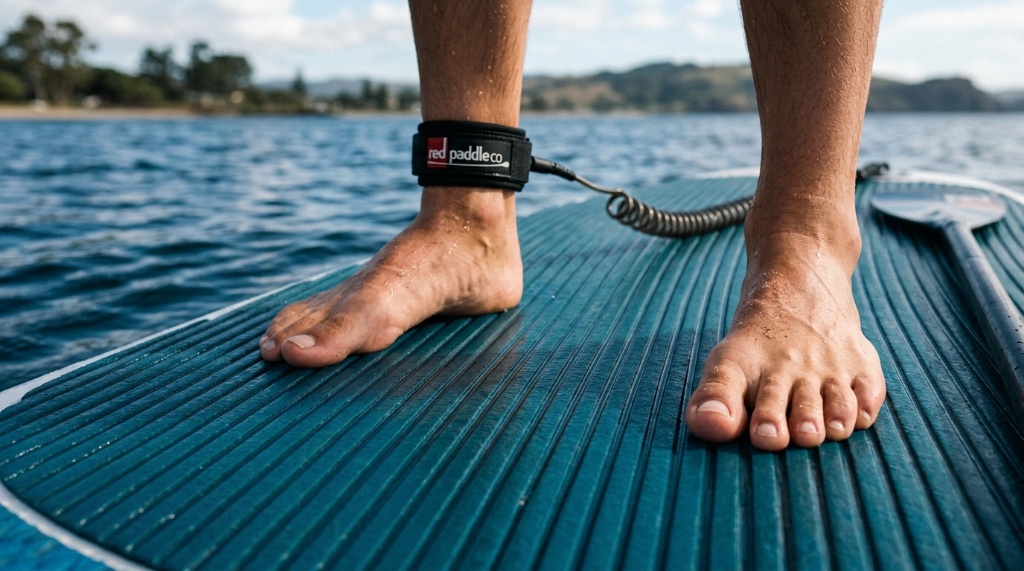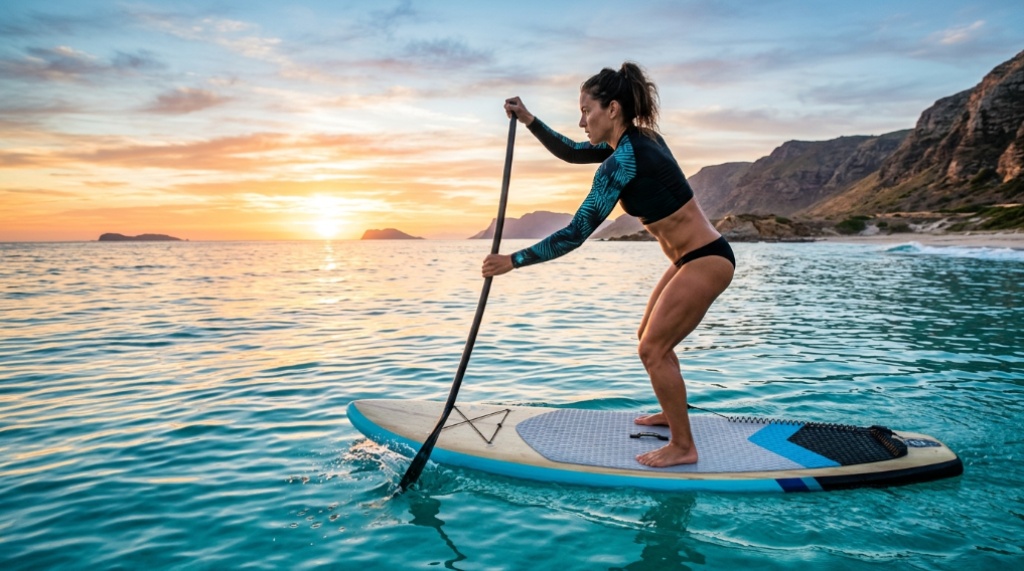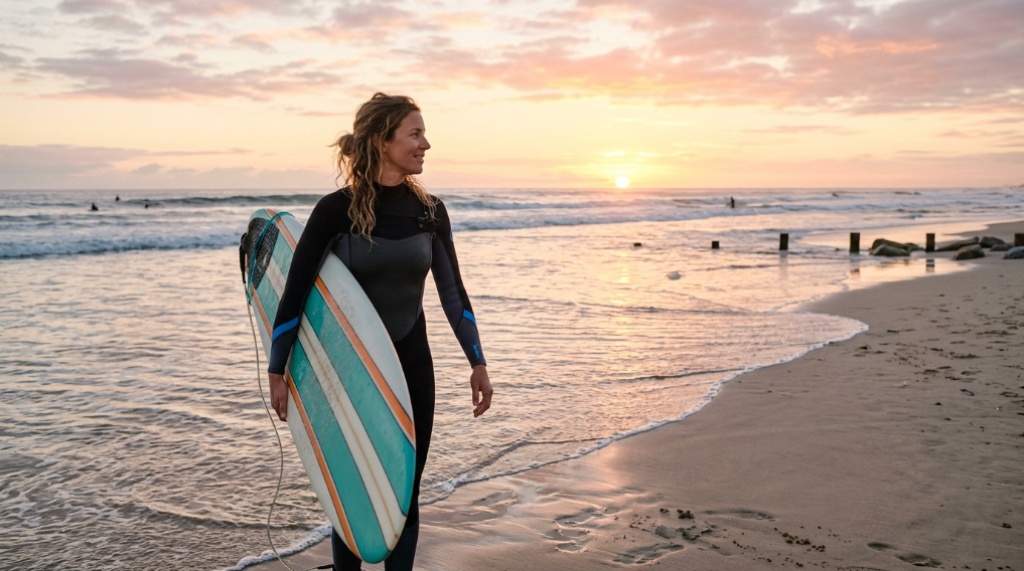
Most beach discomfort starts before anyone touches the water. A volleyball player in Myrtle Beach digs a serve and instantly regrets going barefoot as the sand hits 140°F. A surfer in Huntington Beach shivers through a 62°F morning session because they assumed a warm-weather state meant warm water. The apparel that works in one coastal setting often fails badly in another. That gap between expectation and reality is where most beach days go wrong, and it applies equally to surfers, paddleboarders, and anyone searching for the best sand socks for beach volleyball in South Carolina, where summer sand regularly reaches temperatures that make barefoot play genuinely painful. Choosing correctly comes down to reading conditions first, then matching gear to them.
Quick Answer
Match apparel to water temperature, air temperature, sun exposure, wind, and sand heat—not to the season or the state on the map. Water below about 65°F calls for a full wetsuit or at least a 2mm top; warm water with high UV calls for rash guards and UV leggings. Scorching sand demands protective footwear like sand socks or reef booties. Wind and extended sessions add layering requirements that a single-piece setup cannot handle.
Key Takeaways
- Water temperature matters far more than air temperature when choosing a wetsuit, and coastal upwelling can make summer water colder than expected.
- Hot sand is a separate hazard from hot air; when sand becomes painful to walk on, footwear like sand socks becomes a practical necessity, not an accessory.
- UV protection, wind chill, and session length all change what you should wear, even on days with identical temperatures.
- Layering beats single-piece decisions because conditions shift through a single session—morning fog to midday sun is a common pattern.
- Buy for fit and seams first; an ill-fitting wetsuit or loose rash guard undermines every other feature.
Read the Conditions Before You Choose Anything
Apparel decisions should start with five measurable conditions: water temperature, air temperature, wind speed, UV index, and sand surface temperature. Each one changes what your body needs, and ignoring any single factor is what turns a good setup into an uncomfortable one. A 75°F air day with 20 mph onshore wind feels dramatically colder in the water than the same day with calm air.
Water temperature is the most consequential number because water conducts heat away from the body roughly 25 times faster than air of the same temperature. That is why a 68°F pool feels cold while a 68°F room feels comfortable. Coastal water also behaves differently from what inland weather reports suggest: upwelling along the West Coast can pull 55°F water to the surface in July, while Gulf Stream currents can keep Outer Banks water near 80°F into September, Before heading out into the waves with your new gear, make sure your equipment matches your expertise by learning Right Surfboard for Your Skill Level.
Where to Get Reliable Numbers
National Oceanic and Atmospheric Administration buoys report real-time water temperatures for most popular surf zones, and local surf shops usually post daily conditions. Air temperature and wind come from standard weather forecasts, but check the hourly breakdown rather than the daily high—an afternoon sea breeze can add 10–15 mph of wind that was absent in the morning. Sand temperature has no official source, but a simple rule applies: if sand is too hot for the back of your hand after five seconds, it is too hot for bare feet.
Matching Apparel to Water Temperature
Water temperature is the primary driver of wetsuit choice, and the categories below reflect common industry guidance rather than arbitrary thresholds. Individual cold tolerance varies, so treat these as starting points and adjust based on how you actually feel.
| Water Temperature | Typical Apparel | Best For |
|---|---|---|
| Above 78°F | Rash guard, boardshorts, swimwear | Tropical surfing, warm-water play |
| 72–78°F | Rash guard with UV leggings, optional 1mm top | Summer sessions in Florida, Gulf Coast, Hawaii |
| 65–72°F | 2mm short-sleeve spring suit or full 2mm | Southern California summer, mid-Atlantic fall |
| 58–65°F | 3/2mm full wetsuit, booties optional | Northern California, New England summer |
| Below 58°F | 4/3mm or thicker full suit, hood, booties, gloves | Pacific Northwest, winter sessions anywhere |
Two details matter more than thickness numbers. First, seam construction determines how much water flushes through the suit; sealed and taped seams keep you warmer than thicker neoprene with stitched seams. Second, fit controls everything—a suit that is too loose lets cold water circulate, and one that is too tight restricts movement and breathing. Chest and shoulder mobility should be your test: if you cannot paddle comfortably, the suit is wrong regardless of its rating.
Wetsuit vs. Rash Guard and UV Layers
These serve different purposes and are not interchangeable. A wetsuit traps a thin layer of water against your skin and heats it with body warmth, which is why it works in cold water. A rash guard provides sun protection, reduces chafing against a board, and adds minimal warmth. In water above roughly 75°F, a rash guard plus UV leggings is usually the right call; below that, you need actual neoprene insulation. Many surfers combine both—a rash guard under a wetsuit reduces chafing and makes the suit easier to remove.
Why Hot Sand Changes the Apparel Equation
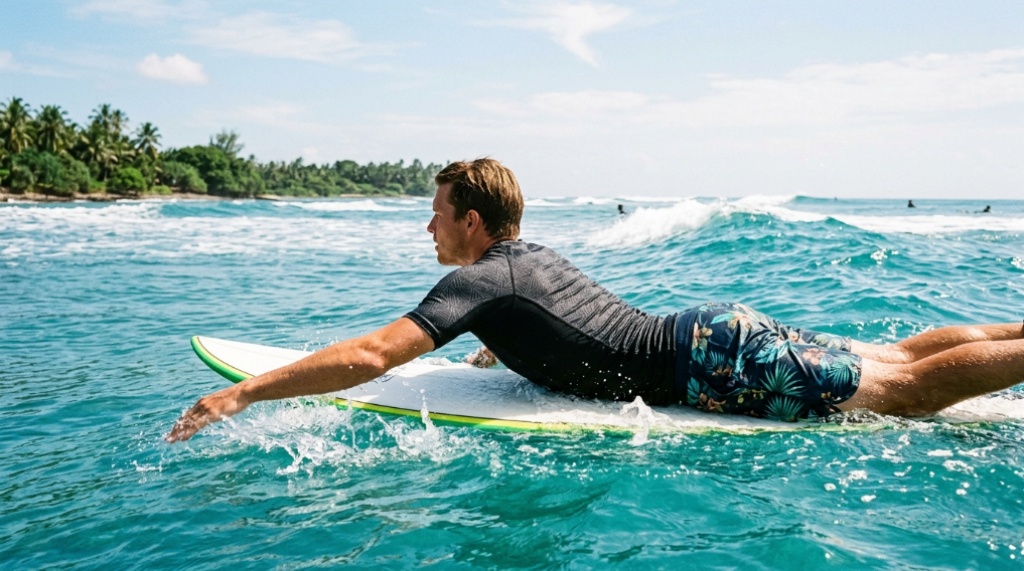
Sand temperature is the most overlooked condition in beach apparel planning, and it has nothing to do with water. Dry sand absorbs solar radiation efficiently and can reach temperatures well above the surrounding air, sometimes hot enough to cause contact burns on bare feet. This matters for surfers walking to the water, paddleboarders launching from open beaches, and especially for beach volleyball players who spend hours planted on the surface.
South Carolina beaches illustrate the problem clearly. Summer air temperatures in the low 90s combined with intense midday sun push dry sand into a range that makes barefoot play genuinely painful, and the quartz-rich sand along the Grand Strand holds heat well into the afternoon. Volleyball players there have largely adopted sand socks—thin, form-fitting footwear that protects against heat and abrasive sand without the bulk of shoes, which are typically not permitted on beach courts anyway. Sand socks also help with shell fragments, hot spots, and the gritty friction that builds up during long rallies.
Footwear Options Compared
| Option | Protection Level | Best Use Case |
|---|---|---|
| Sand socks | Light—heat, abrasion, grit | Beach volleyball, walking hot sand, light water entry |
| Reef booties | Medium—rocks, urchins, heat | Rocky entries, tide pools, colder water |
| Water shoes | Medium—debris, some structure | Family beach days, mixed sand and rock |
| Surf booties | High—cold, rocks, sharp reef | Cold-water surfing, reef breaks |
The trade-off is straightforward: more protection means less feel and more weight. Sand socks preserve nearly full ground contact, which is why volleyball players prefer them, but they offer little protection against sharp rocks. Surf booties handle reef and cold water but feel clumsy on a volleyball court. Choose based on the specific hazard you actually face, not on the maximum protection available.
Wind, UV, and Session Length
Wind and UV change apparel needs even when temperatures stay constant, and both are easy to underestimate because they do not show up on a simple thermometer reading.
Wind accelerates heat loss through convection. A 15 mph breeze can make a 70°F day feel like the low 60s, particularly when you are wet. Surfers in windy conditions often add a wind-resistant top layer or move up one wetsuit thickness category compared to calm days with identical temperatures. Volleyball players on exposed beaches deal with the same effect, and wind also drives sand into eyes and ears, which is why hats and sunglasses become functional rather than optional.
UV exposure is cumulative and reflects off both water and light-colored sand, effectively doubling the radiation reaching your skin. Rash guards with a UPF rating, UV leggings, and a hat with a brim address this directly. Reapply sunscreen to exposed areas like the face, ears, neck, and hands every couple of hours—clothing covers most of the body, but the gaps are where burns happen.
Session length determines whether you need redundancy. A one-hour surf session in 70°F water is comfortable in a spring suit. A four-hour session in the same water will leave most people chilled because the body gradually loses heat and the suit’s insulating layer degrades as it flushes. If you plan to stay out for hours, size up on insulation and consider a thermos of warm water for a mid-session reset.
Common Mistakes and How to Avoid Them
Most apparel problems trace back to a small set of predictable errors. Avoiding them is usually easier than fixing a cold, sunburned, or sandblasted session after the fact.
- Judging water by air temperature. A hot day does not mean warm water. Check buoy data before committing to a suit thickness.
- Ignoring sand temperature until it hurts. Bring sand socks or booties if you will be on dry sand for extended periods, especially in the middle of the day.
- Buying a wetsuit that is too loose. Fit is more important than brand or thickness. Try suits on and move your arms through a full paddle stroke before buying.
- Assuming one outfit covers the whole day. Morning fog, midday sun, and afternoon wind often require different layers. Bring a bag with options.
- Skipping sun protection because it feels cool. UV intensity is independent of temperature, and overcast days still burn.
- Wearing cotton. Cotton holds water, chafes, and dries slowly. Synthetic fabrics or neoprene are the right choice for anything that gets wet.
A Simple Decision Sequence
- Check water temperature from a buoy or local report.
- Check air temperature, wind, and UV index for your planned hours.
- Estimate sand temperature—if it is midday in summer, assume it is hot.
- Choose your base layer (rash guard or wetsuit) based on water temperature.
- Add footwear based on sand heat and terrain hazards.
- Add sun and wind protection based on UV and forecast wind.
- Pack one extra layer for temperature swings or an extended session.
Frequently Asked Questions
Do I really need different apparel for different beaches?
Yes, because water temperature, wind patterns, and sand composition vary significantly between regions. Two beaches with identical air temperatures can have water differing by 20°F or more due to currents and upwelling. Always check local conditions rather than assuming a regional average.
Are sand socks worth it for beach volleyball?
For hot sand, abrasive surfaces, or long play sessions, yes. Sand socks protect against heat, grit, and minor abrasions while preserving the barefoot feel that most rules require. They are far more practical than shoes, which are typically not allowed on beach courts.
Can I wear a rash guard instead of a wetsuit?
Only in warm water, generally above 75°F. A rash guard provides UV protection and reduces chafing but offers almost no thermal insulation. In cooler water, you need actual neoprene thickness to stay warm for any meaningful session length.
How do I know if my wetsuit fits correctly?
The suit should feel snug but not restrictive, with no large air gaps at the lower back, armpits, or neck. You should be able to raise your arms overhead and rotate your shoulders without the suit pulling hard. If water flushes noticeably when you move, it is too loose.
What is the biggest mistake beginners make with beach apparel?
Choosing based on air temperature and appearance rather than conditions. Cold water on a warm day, hot sand on a mild day, and strong UV under cloud cover are all common traps. Checking actual water, sand, and UV data prevents most of these problems.
Should I bring multiple outfits to the beach?
Bringing one base layer plus one extra insulating or wind-blocking piece covers most conditions. Full outfit changes are rarely necessary, but a spare rash guard or light top handles temperature swings and extended sessions without much weight.
Conclusion
Choosing surf and beach apparel comes down to reading conditions honestly rather than guessing from the calendar or the weather forecast on your phone. Water temperature drives wetsuit decisions, sand temperature determines whether you need protective footwear, and wind and UV decide your layering and sun protection. Start with real data from buoys and local reports, build a base layer that matches the water, add footwear for hot sand or rough terrain, and pack one extra layer for the shifts that happen during a long session. That approach works whether you are surfing a cold-water point break or playing volleyball on a scorching South Carolina beach.