Choosing the perfect surfboard can make or break your surfing experience. Whether you’re just starting or a seasoned rider, knowing how to pick the right surfboard for your skill level is essential. A well-matched board not only improves your performance but also enhances your safety and enjoyment on the water. This guide dives into the key factors you need to consider, backed by statistics and expert opinions, to help you select the ideal board tailored to your abilities.
Understanding Your Skill Level: The Foundation of Surfboard Selection
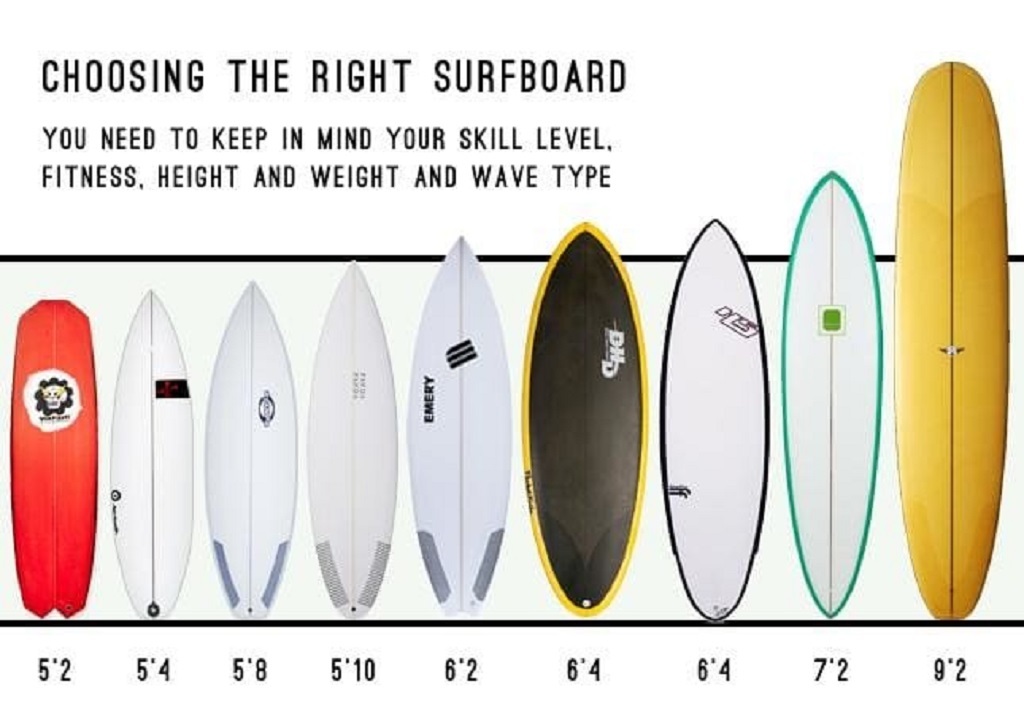
Before you even think about size or shape, honestly assess your surfing skill level. Beginners often struggle with balance and paddling strength, so they need more stable boards. According to a 2022 survey by Surfline, 60% of beginner surfers reported quicker progress when using larger, more buoyant boards. Intermediate surfers seek a balance of maneuverability and stability, while advanced surfers prioritize responsiveness and speed.
Your skill level influences which board shape, volume, and material suit you best. Ignoring this can lead to frustration or even injury. For instance, beginners who choose shortboards typically find it difficult to catch waves, while advanced surfers may feel limited by large, slow boards.
Surfboard Types and Their Suitability by Skill Level
There are four main types of surfboards: longboards, funboards, shortboards, and hybrid boards. Each type fits different skill levels due to design features.
- Longboards: These boards usually range from 8 to 12 feet and offer great stability. Beginners benefit from their buoyancy and ease of paddling. As an added bonus, longboards allow for a smooth learning curve and safer falls.
- Funboards: Often between 7 to 8 feet, funboards offer a middle ground. They provide better maneuverability than longboards but maintain stability, ideal for intermediate surfers transitioning to more challenging waves.
- Shortboards: Ranging from 5 to 7 feet, these boards suit advanced surfers. Their design focuses on speed and sharp turns but requires solid paddling skills and wave knowledge.
- Hybrid Boards: Combining elements of shortboards and funboards, hybrids appeal to intermediates looking for versatility.
Statistics from The Inertia show that 75% of beginner surfers started with longboards, and 80% of advanced surfers prefer shortboards. This data supports the importance of matching board type to skill level.
Key Dimensions to Consider: Length, Width, and Volume
Length, width, and volume form the core of how your board performs. Beginners generally need longer and wider boards to maximize stability and flotation. A longer board offers a larger surface area for balance, while width adds to buoyancy, helping paddling and wave catching.
Volume is critical and often misunderstood. It’s the total amount of space the board occupies, usually measured in liters. Higher volume means more flotation, which suits beginners well. For example, a beginner weighing 150 pounds might benefit from a 60-liter volume board. Advanced surfers prefer lower volume boards to allow for sharper control.
Material and Construction: Durability vs. Performance
The surfboard’s material impacts its weight, durability, and performance. Traditional polyurethane boards are lightweight but less durable. Epoxy boards are more buoyant and resilient, which beginners might prefer for their forgiving nature. However, experienced surfers often choose polyurethane for its responsiveness.
Additionally, eco-friendly boards made from recycled materials are gaining popularity. According to GreenSurf, over 30% of surfers now prefer sustainable boards, reflecting a trend towards environmental responsibility without sacrificing quality.
Personal Factors That Affect Your Choice
Beyond skill level, factors such as your weight, height, and local wave conditions matter. Heavier surfers require boards with more volume to maintain flotation. Similarly, taller surfers need longer boards for better balance.
Wave conditions vary greatly — from slow, rolling waves to fast, powerful breaks. Beginners in mellow beach breaks benefit from stable, high-volume boards, while advanced surfers tackling reef breaks prefer smaller, responsive boards. Thus, surfboard choice must align with where you’ll surf most frequently.
Real-World Examples: Learning from the Pros
Kelly Slater, one of the greatest surfers ever, has emphasized starting with a longboard to master basics before progressing to shortboards. His approach reflects the logical progression in skill and board type.
Many surf schools echo this advice, guiding students to start with boards that foster confidence and gradual skill development. According to the Surf School Association, students who follow tailored board recommendations improve 30% faster than those using unsuitable equipment.
Common Mistakes to Avoid
Many surfers, especially beginners, rush to buy trendy or smaller boards thinking it looks cool or professional. This often backfires. Using a board too advanced for your skill can cause injury or discourage progress.
Also, neglecting to consider your local wave environment or ignoring personal factors like weight can lead to poor board performance. Investing time in research or consulting experts is crucial before purchasing.
How to Pick the Right Surfboard for Your Skill Level: A Step-by-Step Summary
- Evaluate your skill honestly to avoid choosing a board too advanced or too basic.
- Match your skill to board type: beginners with longboards, intermediates with funboards or hybrids, and experts with shortboards.
- Consider dimensions (length, width, volume) based on your body and experience.
- Choose materials wisely, balancing durability and performance needs.
- Factor in local surf conditions and adjust your choice accordingly.
- Test boards if possible through rentals or demos before buying.
Read More Also: How Professional Accounting Services Fuel Business Development
Frequently Asked Questions (FAQs)
Can beginners use shortboards?
Beginners can use shortboards, but it’s not recommended. Shortboards require advanced paddling and wave-reading skills, making learning harder.
What is the best board for an intermediate surfer?
Funboards or hybrid boards offer a good balance of stability and maneuverability for intermediates.
How does weight affect surfboard choice?
Heavier surfers need boards with more volume for sufficient flotation and stability.
Are epoxy boards better for beginners?
Yes, epoxy boards tend to be more buoyant and durable, making them great for beginners.
How important is surfboard length?
Length impacts stability and paddling ease; longer boards suit beginners, while shorter boards suit advanced surfers.
Can surfboard fins be changed to suit skill level?
Yes, fin setups can be customized to improve board performance for different skill levels and conditions.
Where can I try surfboards before buying?
Surf schools, rental shops, and surf events often allow board trials or rentals.
Read More Also: Essential Gear to Kickstart Your Cleaning Services
Final Thought
Knowing how to pick the right surfboard for your skill level is a game-changer. It can accelerate your progress, increase safety, and make every wave session more enjoyable. By honestly assessing your skills, understanding board types, and factoring in your personal and local conditions, you set yourself up for success. Remember, surfing is a journey — start with the right tools, and the waves will reward your efforts.