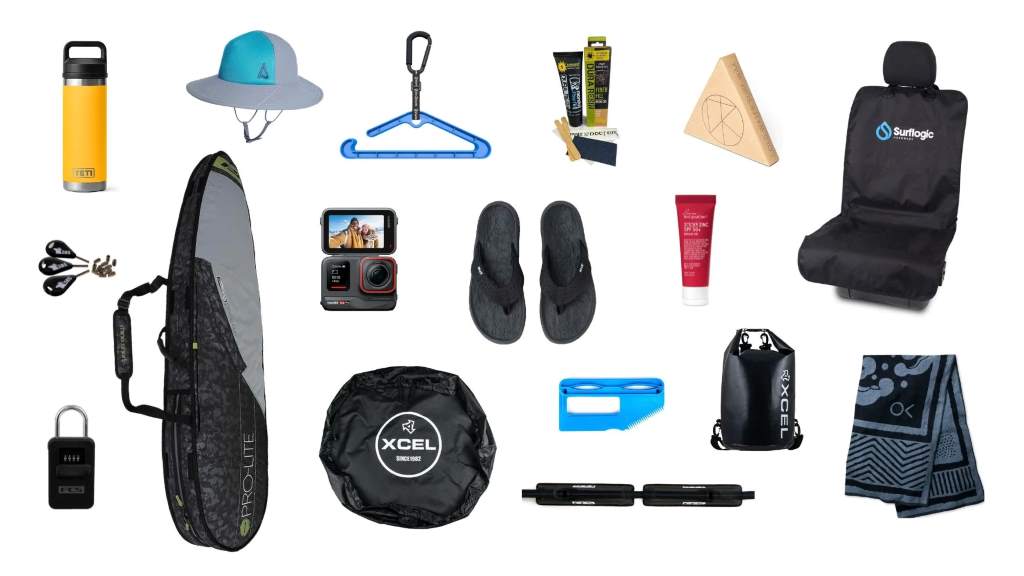
Surfing is more than just riding waves—it’s a dynamic blend of strategy, gear knowledge, and ocean awareness. While most surfers obsess over boards, it’s the smaller gear—fins, leashes, and wax—that truly fine-tune your performance. Choosing the best surf gear isn’t just about aesthetics or price; it’s about matching equipment to your skill level, local wave conditions, and personal preferences. Here’s how to break it all down and make smarter choices that elevate your surf sessions.
Understanding Surf Fins: The Underwater Engine
Surfboard fins are the unsung heroes of wave control. They offer stability, maneuverability, and drive. Without the right fins, even the best surfboard becomes unruly.
Types of Surf Fins:
- Single Fin: Great for cruisy, classic rides. Often used on longboards, single fins provide smooth, arcing turns but sacrifice quick maneuvers.
- Twin Fin: Ideal for smaller waves. Twin setups offer speed and looseness, perfect for retro boards or fish designs.
- Thruster (Tri-Fin): The most common configuration. Provides a balanced combination of control and speed. Suitable for all skill levels and most conditions.
- Quad Fin: Offers down-the-line speed with extra hold in steep, hollow waves. Preferred by experienced surfers in barreling conditions.
- Five Fin: Versatile but not intended to use all five at once. Lets you experiment with combinations like thruster or quad.
Material Matters:
Fins come in fiberglass, plastic, carbon, or honeycomb composites. Fiberglass provides durability and rigidity, while honeycomb materials are lighter and responsive—ideal for performance surfing.
Stat Insight: According to SurferToday, 72% of advanced surfers prefer a thruster setup due to its versatility and control.
Choosing the Right Surf Leash: Your Lifeline to the Board
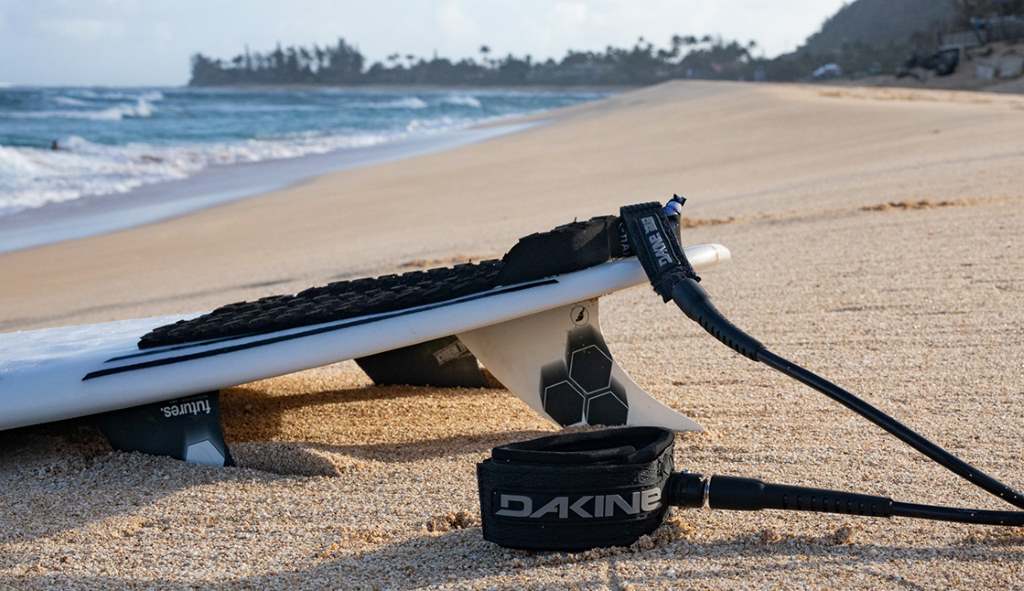
A surf leash keeps you connected to your board. It’s a safety essential, not just a convenience. The wrong leash can snap under pressure or cause unnecessary drag.
Key Factors When Choosing a Leash:
- Length: Match your board size. A 6’ leash fits a 6’ board. Too short, and it risks recoil; too long, and it tangles.
- Thickness: Thicker cords withstand bigger waves. Beginners should choose 7mm+ leashes for durability. Pros in heavy surf go even thicker.
- Cuff Comfort: A leash with a padded, double-stitched ankle cuff avoids irritation and slipping during long sessions.
- Swivel Quality: Dual stainless steel swivels prevent tangles. Essential for turning and moving freely without the leash wrapping around your leg.
Performance Tip: If you’re surfing in strong currents or reef breaks, go for a comp leash only if you want less drag—but know they break more easily.
Logic Point: A study from Surfline indicates leash failure accounts for over 30% of board losses in overhead surf, highlighting the importance of quality gear.
Surf Wax: Small Detail, Big Difference
Grip is everything. Surf wax gives your feet traction and allows better control, especially when popping up or carving.
Choosing the Right Wax:
- Temperature Rating: Use warm-water wax for tropical climates (above 69°F), cool-water wax for 58°F–68°F, and cold-water wax for below 58°F. Using the wrong wax can lead to slipping.
- Base Coat vs. Top Coat: A hard base coat is essential for building bumps. The top coat is softer and sticky for grip.
- Eco-Friendliness: Opt for organic wax brands like Matuna’s or Sticky Bumps that avoid petroleum and are reef-safe.
Pro Tip: Reapply wax every few sessions. Old, dirty wax loses tackiness. A quick combing with a wax comb can restore grip during a session.
Expert Opinion: Pro surfer Carissa Moore says, “Waxing properly is as important as board choice. It affects your whole stance and confidence.”
Read Also: The Future of Touch Technology In Sports
Real-World Gear Pairing Examples
Let’s consider different scenarios:
- Beginner Surfer in California: Use a thruster fin setup for control, a 7mm leash for strength, and cool-water wax like Sex Wax or Mr. Zog’s.
- Intermediate Surfer in Bali: Quad fins for speed, 6mm comp leash for less drag, and tropical wax with a soft top layer.
- Pro Surfer in Hawaii: Five-fin setup for flexibility, reinforced leash with rail saver, and custom wax blends for specific reef breaks.
Each setup should reflect both the wave condition and your skill evolution. Experimenting with different gear combinations can unlock new levels in your surfing journey.
What to Avoid When Buying Surf Gear
Avoid purchasing based on trend alone. Not every pro’s gear suits your skill level or local break.
- Don’t buy a thin comp leash for big wave spots—it may break.
- Avoid soft wax in warm climates—it melts and loses grip.
- Don’t mismatch fin box systems (FCS vs Futures)—they’re not interchangeable.
Additionally, cheap fins may warp under stress. Always prioritize quality and compatibility with your board and goals.
FAQs: Best Surf Gear: How to Choose Fins, Leashes & Wax
Can I mix different fin brands and setups?
Only if the fin system (FCS or Futures) matches. Mixing styles can be insightful but should stay within compatible bases.
How often should I replace my leash?
Every 6–12 months for regular surfers, sooner if you surf powerful waves frequently.
Is eco-friendly surf wax effective?
Yes, brands like Matuna’s and GreenFix perform well while being reef-safe and biodegradable.
Are quad fins better than thrusters?
Quad fins are faster down the line, but thrusters offer better control. It depends on your wave type and preference.
Can I surf without wax if I use a traction pad?
You can skip wax on the tail with a pad, but you’ll still need it on the front foot area.
What’s the difference between FCS and Futures fins?
FCS uses dual tab systems, while Futures use a single base. They’re not interchangeable without adapters.
Should beginners invest in high-end gear?
Start with mid-range gear that matches your board and location. Upgrade as your skills improve and needs evolve.
Final Thought
Choosing the best surf gear: how to choose fins, leashes & wax doesn’t have to feel overwhelming. By understanding how each piece works and impacts your performance, you’ll avoid the most common rookie mistakes. Gear doesn’t make the surfer—but the right gear amplifies your potential. Whether you’re chasing barrels in Indo or learning pop-ups at your local beach break, smart choices in fins, leashes, and wax ensure you stay safe, stylish, and in control.