

Fleas. Just the word can make your skin crawl, right? If you’ve ever had a dog, chances are you’ve had to deal with these tiny, jumping nuisances. They’re not just annoying; they can cause serious discomfort and health issues for your furry friend. But don’t worry, we’ve got you covered. This guide will walk you through everything you need to know about getting rid of fleas on your dog and keeping them away for good.
What Are Fleas?
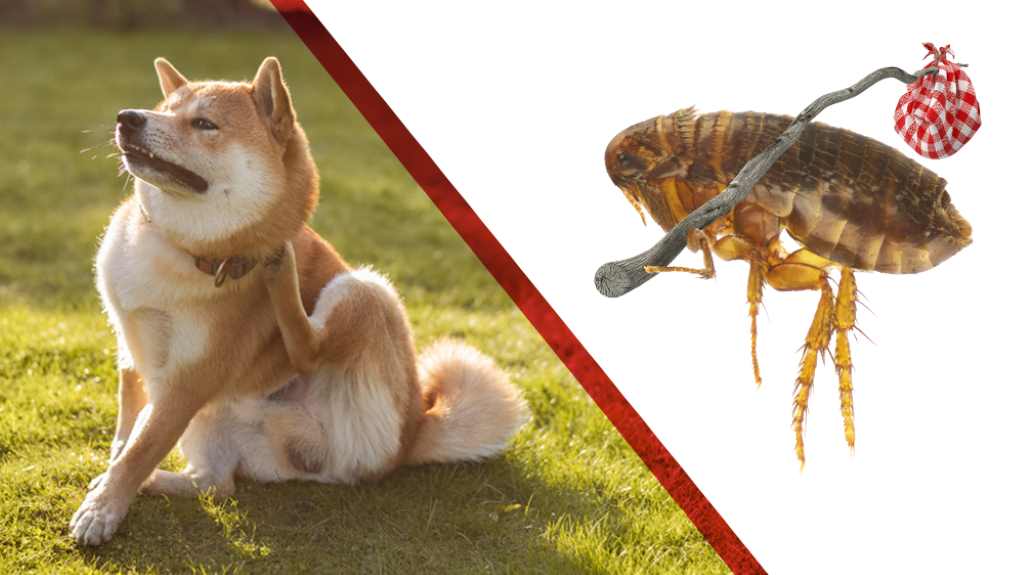
Fleas are small, wingless insects that feed on the blood of mammals and birds. They’re notorious for their jumping ability, which allows them to move quickly from host to host. Fleas can cause itching, allergic reactions, and even transmit diseases to both pets and humans.
Signs Your Dog Has Fleas
Before you can tackle the problem, you need to know what you’re dealing with. Here are some common signs that your dog might have fleas:
- Excessive Scratching: If your dog is scratching more than usual, it could be a sign of fleas.
- Red Bumps: Flea bites often cause small, red bumps on your dog’s skin.
- Flea Dirt: This looks like tiny black specks on your dog’s skin. It’s actually flea feces and can be a clear indicator of an infestation.
- Visible Fleas: Sometimes, you can actually see fleas moving around on your dog’s fur.
The Flea Life Cycle
Understanding the flea life cycle is crucial for effective treatment. Fleas go through four stages: egg, larva, pupa, and adult.
- Eggs: Flea eggs are tiny and white, often falling off your pet into the environment.
- Larvae: These are small, worm-like creatures that feed on organic debris.
- Pupae: Flea larvae spin cocoons and develop into pupae, which are very resilient.
- Adults: Adult fleas emerge from pupae and start feeding on your pet’s blood.
How to Get Rid of Fleas
Getting rid of fleas is a multi-step process that involves treating your dog, your home, and sometimes even your yard.
Treating Your Dog
Flea Comb: A flea comb is a simple but effective tool. Use it to comb through your dog’s fur, especially around the neck and tail area. Dip the comb in soapy water to kill any fleas you catch.
Flea Shampoo: Bathing your dog with a flea shampoo can help kill fleas on contact. Make sure to follow the instructions on the bottle for the best results. Remember, this is a temporary solution and should be part of a broader treatment plan.
Oral Medications: Oral flea medications like Capstar® can kill fleas within hours. These are often available over-the-counter and can provide quick relief.
Topical Treatments: Topical treatments are applied directly to your dog’s skin. They can be very effective but usually take longer to start working compared to oral medications. Popular options include Frontline Plus® and Advantage®.
Flea Collars: Flea collars can provide long-term protection by releasing chemicals that repel and kill fleas. Make sure the collar is the right size for your dog and follow the manufacturer’s instructions.
Treating Your Home
- Vacuuming: Vacuuming is crucial for removing flea eggs, larvae, and pupae from your home. Make sure to vacuum carpets, rugs, and furniture regularly. Dispose of the vacuum bag or canister contents immediately to prevent re-infestation.
- Washing Bedding: Wash your dog’s bedding, as well as any blankets or cushions they frequently use, in hot, soapy water. This will kill any fleas and their eggs.
- Flea Sprays: Flea sprays can be used to treat your home. Look for sprays that contain an Insect Growth Regulator (IGR) to prevent flea eggs from developing into adults.
- Professional Pest Control: In severe cases, you might need to call in a professional pest control service. They can provide more comprehensive treatments to eliminate fleas from your home.
Treating Your Yard
Fleas can also live in your yard, so it’s essential to treat outdoor areas where your dog spends time. Use pet-safe insecticides and keep your lawn well-maintained to reduce flea habitats.
Preventing Future Infestations
Prevention is always better than cure. Here are some tips to keep fleas away:
- Regular Grooming: Regularly groom your dog and check for fleas. This can help catch any infestations early.
- Monthly Preventatives: Use monthly flea preventatives as recommended by your vet. These can be oral or topical treatments.
- Clean Environment: Keep your home clean by vacuuming regularly and washing your dog’s bedding.
- Yard Maintenance: Keep your yard tidy and treat it with pet-safe insecticides if necessary.
Natural Remedies: Do They Work?
There are many natural remedies touted for flea control, but their effectiveness can be hit or miss. Some popular natural remedies include:
- Apple Cider Vinegar: Some people add apple cider vinegar to their dog’s water or use it as a rinse. While it may make your dog’s skin less appealing to fleas, it’s not a foolproof solution.
- Essential Oils: Oils like lavender and eucalyptus are often used in natural flea collars or sprays. Be cautious, as some essential oils can be toxic to pets.
- Diatomaceous Earth: This natural powder can be sprinkled around your home and yard to kill fleas. It works by dehydrating them but can be messy to use.
Common Myths About Fleas
Let’s debunk some common myths about fleas:
- Myth 1: Indoor Dogs Don’t Get Fleas: Even if your dog stays indoors, they can still get fleas. Fleas can hitch a ride on your clothes or other pets.
- Myth 2: Fleas Die in Winter: Fleas can survive indoors during the winter, so year-round prevention is essential.
- Myth 3: Natural Remedies Are Always Safe: Not all natural remedies are safe for pets. Always consult your vet before trying a new treatment.
Conclusion
Dealing with fleas can be a daunting task, but with the right approach, you can get rid of them and keep them away for good. Remember, it’s essential to treat not just your dog but also your home and yard. Prevention is key, so make sure to use monthly preventatives and keep your environment clean. By following these steps, you can ensure a happy, flea-free life for your furry friend.
Learn how to get rid of fleas on your dog with effective treatments and prevention tips. Keep your furry friend happy and flea-free!


