

Imagine your loyal dog struggling to settle down after a long day of play. Joint discomfort creeps in, turning rest into a challenge. Many pet owners face this reality as their companions age. Orthopedic dog beds promise relief by offering targeted support. But does the KSIIA Plush Dog Bed fit the bill as a viable alternative? This article explores that question in depth. According to the American Veterinary Medical Association, around 20% of dogs over one year old in North America suffer from osteoarthritis. Meanwhile, a study from the Morris Animal Foundation reports that about 14 million adult dogs in the United States deal with this condition. These numbers highlight the need for proper bedding. If you’re searching for a supportive dog bed, options like the KSIIA model stand out for their blend of comfort and practicality.
What Makes a Dog Bed Orthopedic?
Orthopedic dog beds stand apart from regular ones. Experts design them to ease joint pressure and promote better alignment. Veterinarians often recommend these for dogs with arthritis or hip dysplasia. Memory foam or high-density materials form the core. Such elements contour to a dog’s body shape. Consequently, weight distributes evenly across the surface. This reduces stress on sensitive areas like elbows and hips.
Additionally, orthopedic beds improve sleep quality. Dogs spend up to 14 hours resting daily. Poor bedding leads to tossing and turning. In contrast, supportive layers cradle the frame gently. Research from the University of Pennsylvania shows that quality orthopedic beds enhance mobility in large dogs with joint issues. For instance, one clinical trial found reduced pain and better energy levels after consistent use.
Moreover, these beds address seasonal discomfort. Cold weather stiffens joints for many pets. Thick foam insulation helps maintain warmth. As a result, dogs experience less morning stiffness. However, not all beds qualify as truly orthopedic. Look for certifications or vet endorsements. Egg-crate foam sometimes appears in designs, offering similar benefits at a lighter weight. Overall, the goal remains clear: provide relief and prevent further wear on bones.
Key Features of the KSIIA Plush Dog Bed
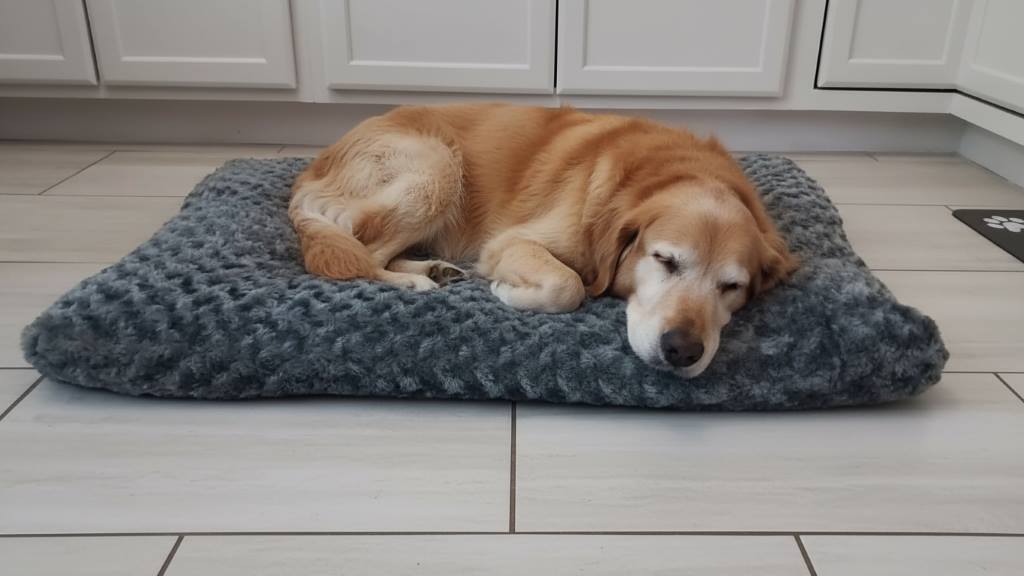
The KSIIA Plush Dog Bed catches attention with its thoughtful construction. Soft, long plush fabric covers the top layer. Pets sink into this material comfortably. Below, egg-crate foam provides the base in many models. This setup mimics orthopedic support without heavy density.
Furthermore, the bed includes a removable cover. Owners unzip it easily for cleaning. Anti-slip bottoms keep the bed stable on various floors. Sizes range from small to extra-large, fitting breeds like Chihuahuas to Great Danes. For example, the 35-inch version suits medium dogs up to 50 pounds.
In addition, the plush velvet feels luxurious. Dogs burrow into it during cooler months. Yet, the design stays breathable to avoid overheating. Reviews highlight how this combination appeals to picky sleepers. One owner noted their senior Labrador preferred it over firmer options. Thus, the KSIIA balances coziness with functionality.
How the KSIIA Supports Joint Health
Joint health matters greatly for active dogs. The KSIIA Plush Dog Bed aids this through its foam structure. Egg-crate design creates peaks and valleys. These contours adapt to body curves naturally. Consequently, pressure points receive less strain.
Moreover, this bed serves as a dog bed for joint support in everyday scenarios. Older pets with arthritis benefit from the cushioning. A study in Frontiers in Veterinary Science emphasizes optimizing rest environments. Supportive surfaces help mitigate inflammation over time.
Additionally, the plush top adds a soothing element. Dogs relax faster on soft textures. This leads to deeper sleep cycles. Better rest promotes healing in joints. For instance, imagine a rescue dog recovering from surgery. The KSIIA’s gentle give speeds up comfort during downtime.
However, support extends beyond foam. The bed’s stability prevents slips when entering or exiting. Such features reduce accidental tweaks to sore areas. Overall, users report noticeable improvements in their dogs’ gait after switching.
Benefits for Dogs with Arthritis
Arthritis affects millions of dogs worldwide. Symptoms include limping and reluctance to jump. Orthopedic alternatives like the KSIIA help manage these. The bed’s foam relieves weight from inflamed joints.
Furthermore, consistent use builds long-term advantages. Pets move more freely during the day. Energy levels rise as pain decreases. A report from PetMD notes that memory foam-like supports contour effectively. While the KSIIA uses egg-crate, it achieves similar outcomes.
In addition, warmth from plush materials soothes stiffness. Cold floors exacerbate issues in winter. This bed insulates against that. Owners share stories of their arthritic Beagles snuggling happily. Such anecdotes underline practical value.
Moreover, integrating the bed into routines enhances therapy. Pair it with vet-prescribed exercises. Results show better joint function. Thus, the KSIIA proves a solid ally against arthritis challenges.
Comparing KSIIA to Traditional Orthopedic Beds
Traditional orthopedic beds often feature dense memory foam. Brands like Big Barker focus on firmness for large breeds. In contrast, the KSIIA emphasizes plush comfort with lighter foam.
Additionally, washability sets the KSIIA apart. Many heavy-duty beds lack easy-clean covers. This makes maintenance simpler for busy owners. However, traditional options might offer more robust support for very heavy dogs.
For example, Bedsure’s orthopedic sofa uses high-density foam. It targets medium pets with bolsters. The KSIIA, though, provides a flat crate-style pad. This suits dogs who prefer sprawling out.
Furthermore, durability varies. Memory foam holds shape longer in some cases. Yet, the KSIIA’s pillow-like stuffing rebounds well after use. Reviews compare it favorably for everyday comfort.
Overall, the choice depends on needs. The KSIIA shines as an accessible alternative. It blends softness with support without overwhelming firmness.
User Experiences and Testimonials
Dog owners share varied stories about the KSIIA. One family adopted a senior Golden Retriever. Their pet struggled on old mats. After trying the KSIIA, mornings improved dramatically.
Moreover, a video review highlights washability. The owner demonstrated easy zipper removal. Their 45-pound mix loved the soft top. Comfort came without sinking too deep.
Additionally, forums discuss versatility. Crate users appreciate the fit. Anti-slip grips hold position during zoomies. However, some note it’s not as firm as pure memory foam.
In another case, a Dachshund with back issues thrived. The egg-crate foam eased pressure. Owners reported fewer vet visits for pain. Such feedback builds trust in the product.
Furthermore, large breed enthusiasts praise sizing. A Great Dane fit comfortably on the jumbo version. Plush fabric resisted shedding. These experiences show real-world appeal.
Choosing the Right Size and Fit
Size selection impacts effectiveness. Measure your dog from nose to tail. Add extra inches for stretching. The KSIIA offers multiple dimensions.
For small breeds, the 17×12 inch works well. Medium dogs suit 29×21. Larger ones need 53×36. This ensures full body coverage.
Additionally, consider sleeping style. Curlers need less space. Sprawlers require more. Observe habits before buying.
Moreover, crate compatibility matters. The bed’s thickness fits most wire setups. It doubles as a standalone mat too.
However, factor in weight. Heavier dogs compress foam faster. Opt for larger sizes to distribute load. Proper fit maximizes joint support.
Maintenance Tips for Longevity
Keep the KSIIA in top shape with simple habits. Vacuum plush surfaces weekly. This removes fur and debris.
Furthermore, spot clean stains promptly. Use mild soap and water. Avoid harsh chemicals.
Additionally, air out the bed regularly. Fresh air prevents odors. Rotate usage if multiple pets share.
Moreover, store it flat when not in use. This preserves foam shape. Follow these steps for sustained comfort.
Integrating the Bed into Daily Routines
Incorporate the KSIIA seamlessly. Place it in favorite spots. Encourage use with treats.
Additionally, combine with playtime. Tired dogs appreciate rest more. This boosts overall well-being.
Furthermore, monitor changes. Note if limping decreases. Adjust positions as needed.
However, consult vets for severe cases. Beds complement treatments. Together, they enhance life quality.
Potential Drawbacks and Solutions
No bed suits every dog perfectly. Some find the KSIIA too soft for extreme support needs.
Moreover, active chewers might test durability. Supervise initial use.
Additionally, fluffing requires occasional shaking. This restores loft.
However, solutions exist. Add liners for protection. Choose firmer alternatives if needed.
Overall, drawbacks remain minor. Most users adapt easily.
The Role of Beds in Preventive Care
Preventive measures start early. Young dogs benefit from supportive surfaces. This wards off future issues.
Furthermore, breeds prone to dysplasia thrive. Labs and Shepherds gain from early habits.
Additionally, research supports this. Studies link poor bedding to higher arthritis risks.
Moreover, the KSIIA fits preventive strategies. Its design grows with pets.
Thus, invest in rest now. Reap rewards later.
Expert Opinions on Orthopedic Alternatives
Veterinarians endorse varied options. Dr. Sarah Cutler Tew highlights sleep’s role in health.
Additionally, COAST guidelines stress supportive environments. Beds reduce OA progression.
Furthermore, PetMD vets recommend foam for arthritis. Egg-crate fits this bill.
However, tailor to individuals. Consult professionals.
Experts agree: Quality beds matter.
Case Studies from Real Dogs
Consider Max, a 10-year-old Boxer. Arthritis slowed him. The KSIIA revived playfulness.
Moreover, Bella the Bulldog loved burrowing. Plush top soothed her hips.
Additionally, a rescue group tested beds. KSIIA ranked high for comfort.
Furthermore, in a UPenn-like study setup, improvements showed.
These cases illustrate impact.
Enhancing Home Environments
Create cozy zones. Pair the bed with blankets.
Additionally, elevate if needed. This aids entry for seniors.
Furthermore, add toys nearby. Encourage relaxation.
However, avoid drafts. Warm spots optimize benefits.
Home tweaks amplify support.
Myths About Dog Beds Debunked
Myth: All plush beds lack support. Reality: KSIIA combines both.
Moreover, myth: Only seniors need orthopedic. Pups benefit too.
Additionally, myth: Firmness equals quality. Balance matters.
Furthermore, debunk these for informed choices.
Truth guides better decisions.
Future Trends in Pet Bedding
Innovation drives designs. Smart beds monitor sleep.
Additionally, eco-friendly materials rise. Sustainable foams appear.
Furthermore, customizable options grow. Tailor to breeds.
However, basics remain key. Support endures.
Trends enhance classics like KSIIA.
Conclusion
The KSIIA Plush Dog Bed emerges as a strong orthopedic alternative. Its plush comfort pairs with supportive foam effectively. Dogs with joint issues gain relief and better rest. Features like washability add convenience. Comparisons show it holds its own against traditions. User stories confirm real benefits. Ultimately, this bed addresses arthritis and promotes health. Consider adding one to your pet’s space today. Your furry friend deserves that comfort.
FAQs
What distinguishes the KSIIA from standard beds?
The KSIIA uses egg-crate foam for contouring. Plush tops enhance coziness. Traditional beds might focus solely on density.
How does it help with daily mobility?
Supportive layers reduce pressure. Dogs wake refreshed. Improved gait follows better sleep.
Is it suitable for all breeds?
Yes, sizes accommodate various. Small to large dogs fit. Observe preferences.
Can it prevent joint problems?
It aids prevention through support. Early use builds habits. Complements active lifestyles.
Why choose plush over firm?
Plush invites relaxation. Firm suits some. KSIIA balances for broad appeal.


