Overwatering is one of the leading causes of succulent distress, and it can leave even the healthiest plants struggling. Recognizing and acting on this issue promptly can save your succulent without resorting to repotting. If your plant has been waterlogged, you may be wondering how to revive a waterlogged succulent without repotting. This guide explores practical, proven techniques to bring your plant back to life, ensuring it thrives again with minimal effort. And if you’re searching for gardening tools like pruning shears, explore Bestusatools for top-quality options.
Understanding the Problem: What Happens When a Succulent Gets Waterlogged?
Succulents are adapted to survive in dry environments, storing water in their thick leaves and stems. However, when overwatered:
- The roots suffocate: Excess water reduces oxygen in the soil, leading to rot.
- Nutrient absorption declines: A soggy medium prevents the roots from drawing in essential nutrients.
- Leaves deteriorate: Mushy, translucent leaves are a clear sign of trouble.
Recognizing these symptoms early can make the difference between saving your plant and losing it.
Drying the Soil Without Repotting
If your succulent’s roots are sitting in saturated soil, your first step is to dry it out:
- Stop watering immediately: Succulents can survive extended periods without water. Let the soil dry completely.
- Increase airflow: Place the pot in a well-ventilated area. Using a small fan can help speed up the drying process.
- Elevate the pot: Place it on a trivet or stand to allow air circulation around the base.
These simple steps reduce moisture quickly, creating a healthier environment for recovery.
Removing Damaged Leaves and Stems
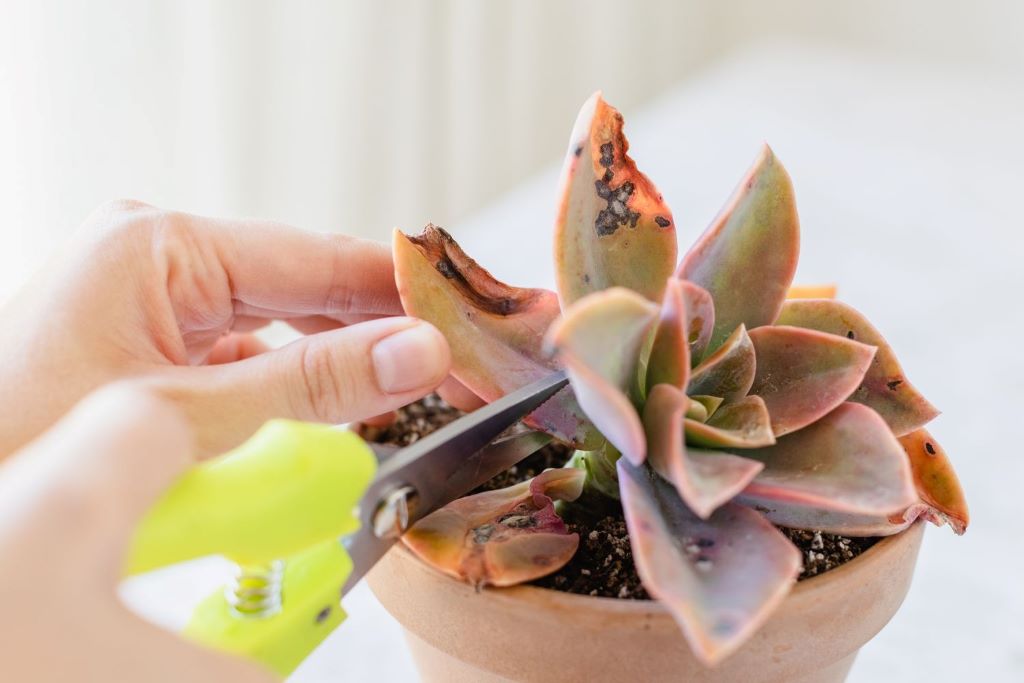
When succulents show signs of overwatering, some parts may already be too far gone. Pruning these areas is essential:
- Use the best pruning shears to remove mushy, discolored leaves and stems.
- Sterilize the shears beforehand to prevent introducing bacteria to the plant.
- Cut as close to healthy tissue as possible to encourage new growth.
This targeted approach keeps the damage from spreading while allowing the plant to focus on healing.
Boosting Recovery with Absorbent Materials
For stubbornly wet soil, try using absorbent materials to wick away moisture:
- Wrap the pot in paper towels: Replace the towels frequently to draw out excess water.
- Use dry rice or cat litter: Place the pot in a container with these moisture-absorbing substances to pull water from the soil.
These methods are effective and easy to implement, offering a mess-free alternative to repotting.
Adjusting Your Succulent’s Environment
Environmental factors play a significant role in your plant’s recovery:
- Increase sunlight exposure: Place the succulent in bright but indirect sunlight to help dry the soil.
- Control humidity: Succulents prefer low humidity levels, so use a dehumidifier if necessary.
- Maintain stable temperatures: Keep the plant in a room with consistent temperatures between 60–80°F.
Small adjustments to your indoor environment can work wonders in helping your succulent bounce back.
Hydrogen Peroxide for Root Rot Prevention
If root rot is suspected, hydrogen peroxide can help:
- Mix 1 part hydrogen peroxide with 2 parts water.
- Pour the mixture into the soil carefully, allowing it to reach the roots.
- Let the soil dry completely before the next watering.
This technique kills bacteria and fungi, creating a healthier soil environment for recovery.
Establishing a Watering Routine for the Future
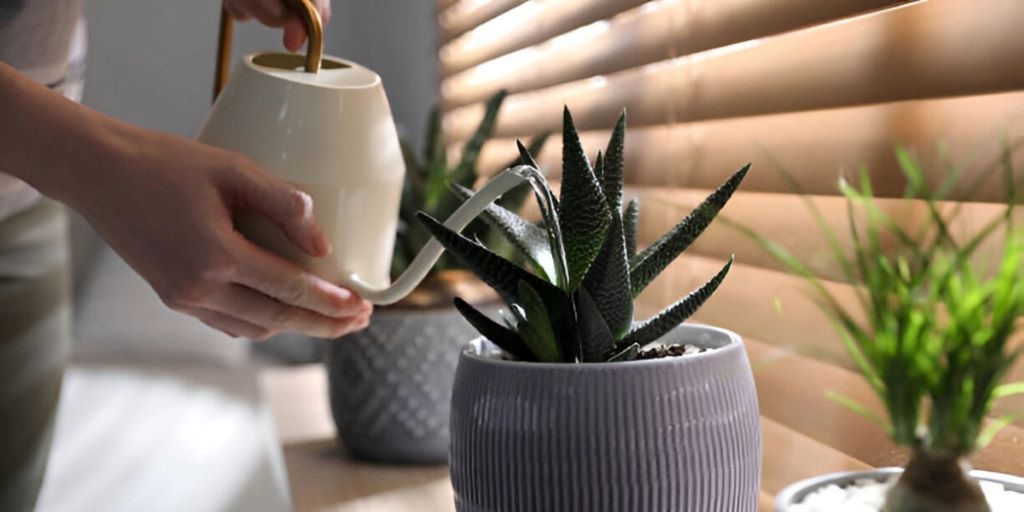
Once your succulent has recovered, a proper watering schedule is key:
- Check soil moisture: Always test the top inch of soil before watering.
- Adjust frequency: In warmer months, water about once every two weeks. In cooler months, reduce to once a month.
- Monitor plant health: Yellowing or soft leaves are signs you need to adjust your watering habits.
Consistency is critical to preventing future issues.
Preventing Overwatering: Long-Term Tips
To keep your succulent thriving:
- Use pots with drainage holes to prevent water from pooling.
- Choose well-draining soil, such as a cactus mix.
- Water early in the day to allow excess moisture to evaporate.
FAQs
What are the signs of a waterlogged succulent?
Mushy leaves, yellow discoloration, drooping, and a sour smell indicate overwatering.
Can you save a succulent with severe root rot?
Yes, but it requires immediate action, including trimming damaged roots and improving soil conditions.
How long does it take for a succulent to recover?
Recovery time varies from weeks to months, depending on the severity of the damage and care provided.
Why is sunlight essential for succulent recovery?
Sunlight helps dry the soil faster and supports photosynthesis, which is vital for plant health.
Can you use regular garden soil for succulents?
No, succulents require well-draining soil to prevent water retention and root rot.
How often should you water a succulent?
Water sparingly, typically once every two weeks during active growth and less during dormancy.
You Might Enjoy: Best Practices for Creating Your Dream Backyard Fireplace
Conclusion
Reviving a waterlogged succulent without repotting is entirely possible with careful attention and proactive measures. From drying out the soil to adjusting environmental conditions, these steps will help your plant recover and thrive. Prevention, however, is the best cure—maintain proper watering habits, use well-draining pots, and monitor your plant’s health to enjoy its beauty for years to come.