Gardening is a rewarding and fulfilling hobby that allows you to connect with nature, cultivate beautiful plants, and grow your own food. As a beginner, starting a garden may seem overwhelming, but with the right guidance and enthusiasm, you can create a thriving and flourishing garden, where you can play games from casinoadvice.io at any time. In this article, we will explore some essential gardening tips to help you get started on your gardening journey.
Start with the Right Plants
As a beginner, it’s essential to choose plants that are well-suited to your region’s climate and growing conditions. Opt for low-maintenance and hardy plants that are more forgiving for beginners. Herbs like basil, mint, and rosemary, as well as vegetables like tomatoes, lettuce, and radishes, are excellent choices for novice gardeners. Additionally, consider planting native species, as they are adapted to your area’s climate and require less care, so you’ll have more time to play games at crazy vegas casino.
Select the Right Location
Before you start planting, carefully choose the location for your garden. Most plants require at least six hours of sunlight each day, so pick a spot that receives adequate sunlight. Avoid areas with strong winds, as they can damage delicate plants. Also, ensure that your chosen location has good drainage to prevent waterlogging, which can be detrimental to plant health.
Prepare the Soil
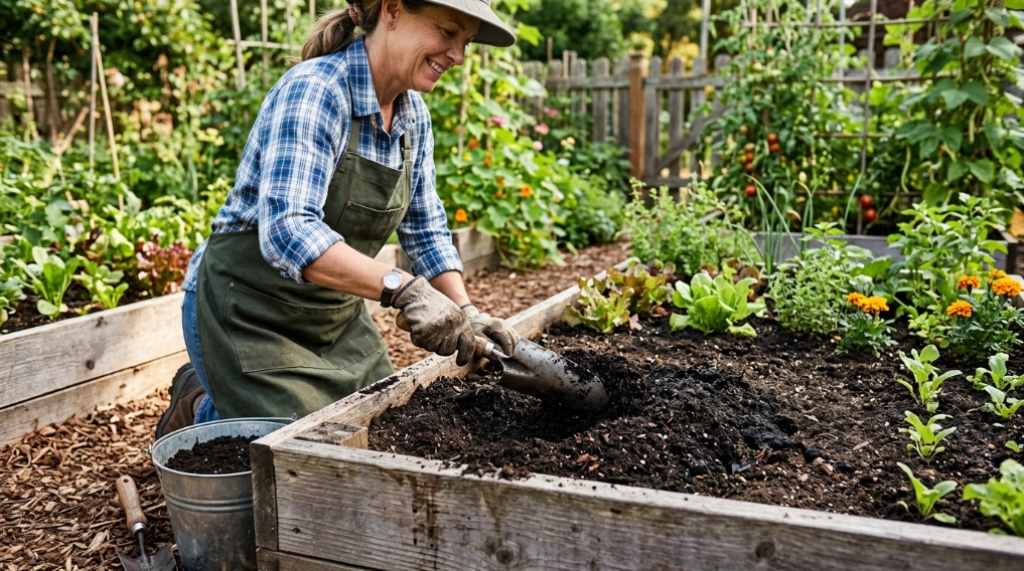
Healthy and fertile soil is the foundation of a successful garden. Before planting, test the soil to determine its pH and nutrient levels. Most plants prefer slightly acidic to neutral soil. If your soil needs improvement, consider adding organic matter like compost or well-rotted manure to enrich it. Amending the soil will provide essential nutrients to your plants and improve soil structure for better root growth.
Water Wisely
Proper watering is crucial for the health of your plants. Water your garden early in the morning or late in the evening to minimize water evaporation and ensure that the plants have enough moisture throughout the day. Use a watering can or a soaker hose to deliver water directly to the roots, avoiding wetting the leaves, which can lead to fungal diseases. Be mindful not to overwater, as it can lead to root rot and other problems.
Mulch Your Garden
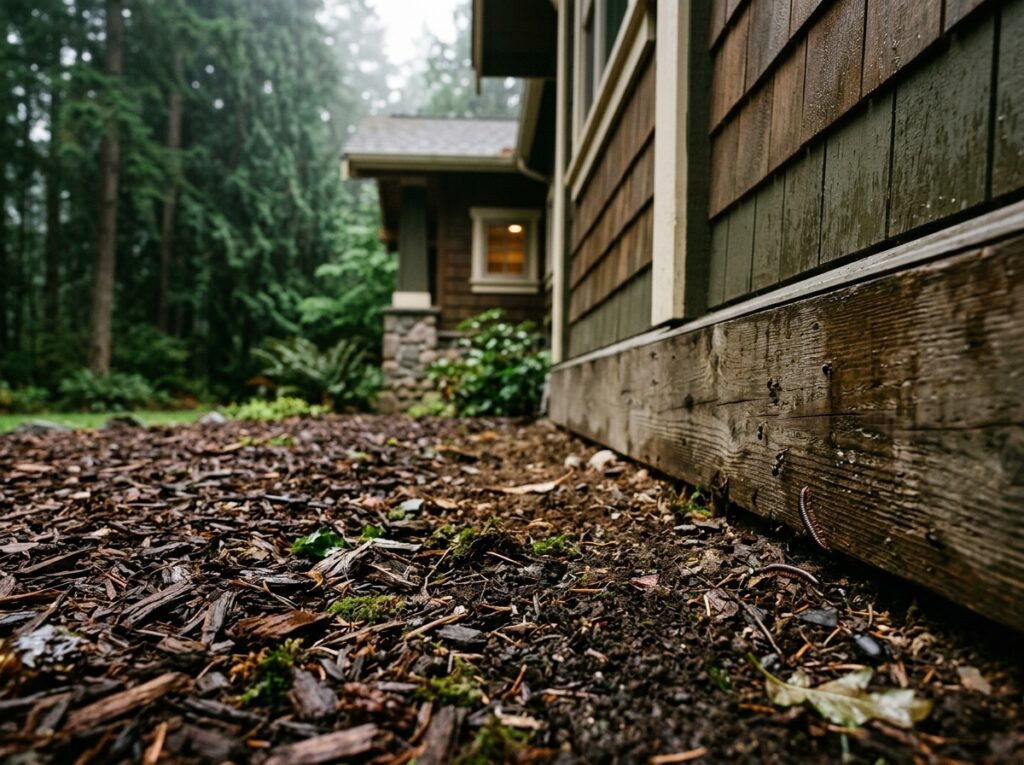
Applying mulch around your plants is an effective way to retain soil moisture, suppress weeds, and regulate soil temperature. Organic mulches like straw, wood chips, or leaves also break down over time, enriching the soil with nutrients. Mulching can significantly reduce the need for watering and weeding, making it a valuable practice for beginner gardeners.
Practice Regular Maintenance
Regular maintenance is essential to keep your garden thriving. Check your plants regularly for signs of pests, diseases, or nutrient deficiencies. Prune overgrown branches, and deadhead faded flowers, and remove weeds promptly. By staying on top of these tasks, you can prevent problems from escalating and promote healthy plant growth.
Embrace Trial and Error
As a beginner gardener, don’t be discouraged by occasional setbacks or failures. Gardening is a learning process, and each season brings new experiences and opportunities for improvement. Embrace trial and error and view challenges as valuable lessons. By observing your plants and learning from your mistakes, you’ll become a more skilled and confident gardener over time.
Stay patient and enjoy the journey
Gardening is a journey of patience and perseverance. Some plants may take time to establish and bloom, while others might surprise you with their rapid growth. Enjoy the process of nurturing your garden and appreciate the small successes along the way. Gardening is not only about the end result but also about the joy of being in nature and witnessing the beauty of plant life.
Conclusion
As a beginner gardener, the world of gardening may seem vast and complex, but don’t let that intimidate you. By starting small and following these essential gardening tips, you can embark on a successful gardening journey. Choose the right plants for your region, prepare the soil, water wisely, and embrace regular maintenance. Be patient with yourself and your plants, as gardening is a continuous learning experience.
Gardening offers a multitude of benefits, from providing fresh produce to promoting mental well-being and connecting with nature. So, grab your gardening tools, roll up your sleeves, and let the joy of gardening inspire and enrich your life.