In the heart of the concrete jungle, a patch of green is more than just a luxury—it’s a personal oasis. However, traditional lawn care methods often use toxic chemicals, waste water, and contribute to air pollution. For urban residents, especially in a city as dense and regulated as New York, sustainable practices aren’t just a preference—they’re a necessity. These eco‑friendly lawn care tips for NYC homeowners will not only transform your lawn but also help protect the environment and align with the city’s sustainability goals.
-
Start with Native Grass and Plants
Choosing native grasses like Fine Fescue or Buffalo Grass reduces maintenance significantly. These species are naturally adapted to the NYC climate and soil, requiring less water and fewer fertilizers.
According to the NYC Department of Environmental Protection, native plants support biodiversity and reduce the need for pesticides. Local flora attract pollinators like bees and butterflies, increasing ecological health across boroughs.
Why it matters: Native plants thrive with less input. Less watering and fertilization mean lower costs and a smaller carbon footprint.
-
Mulch Grass Clippings Instead of Bagging
Rather than tossing grass clippings into trash bags, mulch them right into the lawn. Mulching returns vital nitrogen to the soil, reducing the need for synthetic fertilizers.
Studies from the University of Connecticut show that mulched lawns retain moisture better and reduce landfill waste. In NYC, where space is tight and waste management is critical, this technique is especially effective.
Expert insight: Landscape architects recommend mulching to improve lawn resilience without extra products. It’s a free, natural fertilizer.
-
Ditch Gas-Powered Lawn Equipment
Gas lawn mowers produce a shocking amount of pollution. In fact, the EPA notes that one gas mower running for an hour produces as much pollution as 11 cars.
Electric or manual mowers offer a clean, quiet alternative. NYC’s noise ordinances and air quality goals both benefit when homeowners switch to battery-operated models.
Real-life example: In Brooklyn, a community garden replaced all gas tools with electric ones. Noise complaints dropped, and energy use plummeted.
-
Water Smartly, Not Frequently
Watering daily is a waste and often does more harm than good. Lawns only need about one inch of water per week, including rainfall. Overwatering leads to shallow root systems and disease.
Use a rain gauge and water early in the morning to reduce evaporation. Installing a drip irrigation system or smart sprinkler controller can cut water use by up to 50%, according to the EPA’s WaterSense program.
Logical takeaway: Less water, timed properly, results in stronger roots and lower utility bills.
-
Fertilize Naturally
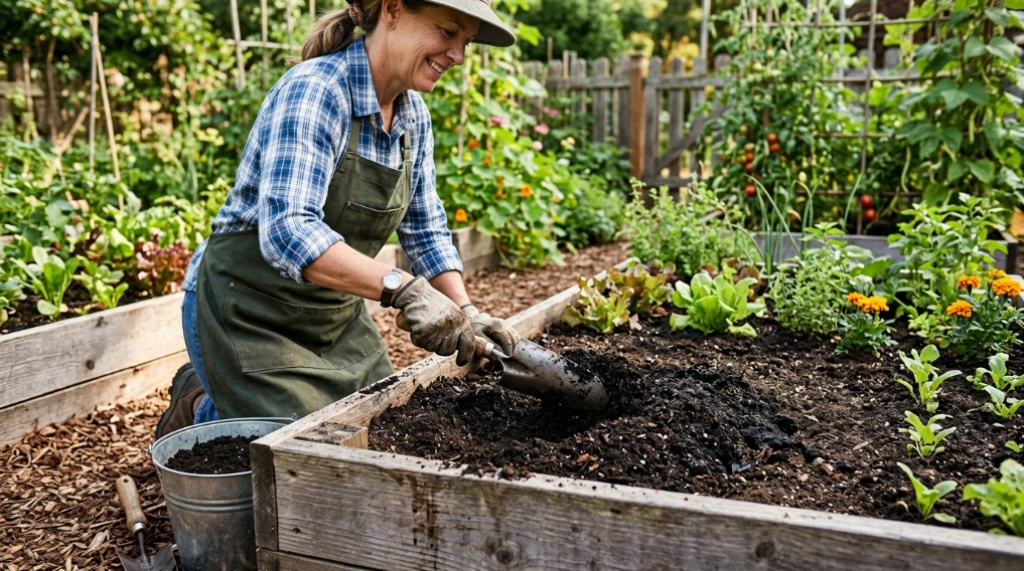
Chemical fertilizers may seem effective, but they contribute to groundwater contamination and disrupt soil biology. Instead, opt for organic compost, which enhances soil structure and feeds beneficial microbes.
NYC’s curbside composting program provides a steady supply of organic matter, making it easier than ever to amend soil sustainably.
Tip: Compost tea is another eco-friendly solution—rich in nutrients and easy to apply with a garden sprayer.
-
Create a Pollinator-Friendly Yard
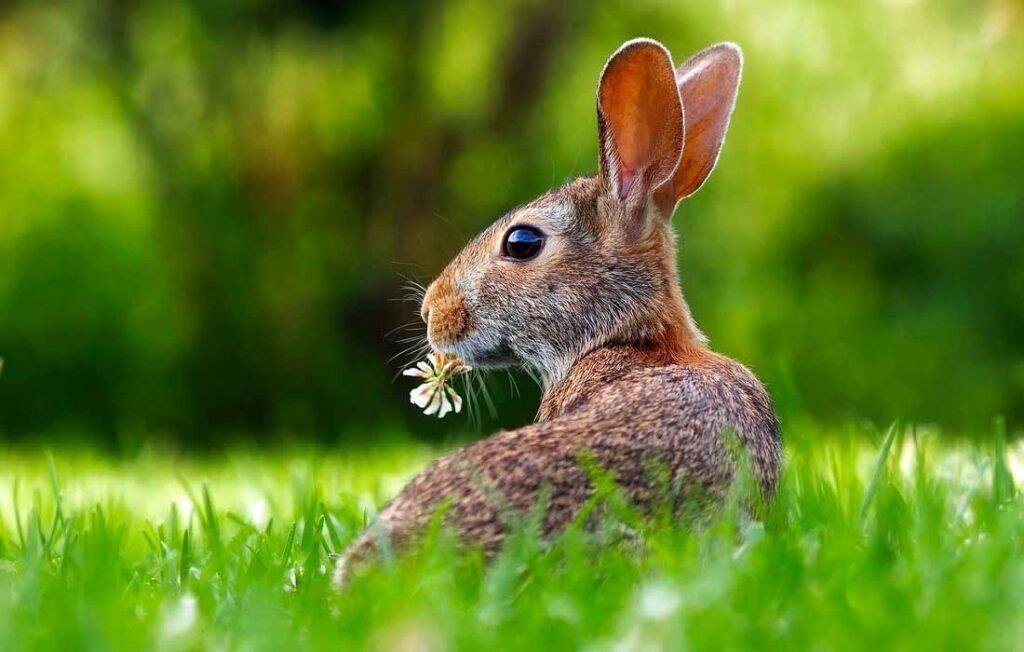
Pollinator populations are plummeting due to habitat loss and pesticide use. By planting milkweed, lavender, and coneflowers, you turn your yard into a refuge for bees, butterflies, and hummingbirds.
The NYC Parks Greenbelt Native Plant Center offers guidance and even seeds for residents. This not only boosts biodiversity but also enhances the aesthetic appeal of your lawn.
Fun fact: A pollinator-friendly garden can increase vegetable yields by 30% if you grow food alongside your lawn.
-
Leave Some Leaves
Instead of raking every leaf, consider leaving a thin layer in flower beds and around trees. Leaves break down into rich humus, insulating soil and feeding organisms.
This reduces bagged waste, a major issue in NYC’s sanitation system. Plus, it supports insects that overwinter in leaf litter, essential for spring pollination.
Caution: Don’t let thick layers smother your grass—spread them out or compost them separately.
-
Reduce Lawn Size Strategically
Lawns can be beautiful, but they aren’t always necessary. Consider replacing portions with low-maintenance groundcovers like clover or moss, or even a native wildflower garden.
Less lawn means fewer resources used, less time spent maintaining, and more room for diverse plant life.
Sustainable model: In Queens, homeowners are converting front lawns into pollinator corridors, reducing water bills while aiding conservation efforts.
-
Avoid Synthetic Herbicides and Pesticides
Pesticides linger in the soil and can enter storm drains, impacting NYC’s water system. Alternatives like neem oil, vinegar solutions, and diatomaceous earth control pests without harming beneficial organisms.
Data-backed insight: According to the National Wildlife Federation, organic pest control can reduce chemical runoff by over 80%.
Use logic: A healthier lawn ecosystem naturally suppresses pests without chemical intervention.
-
Schedule a Soil Test
Before adding anything to your lawn, test your soil. Knowing pH and nutrient levels helps you choose the right amendments and avoid unnecessary products.
Cornell Cooperative Extension offers soil testing services to NYC residents, making this step both accessible and affordable.
Reasoning: Treating your lawn without a soil test is like medicating without a diagnosis—it leads to waste and poor results.
FAQs
- What is the best grass type for NYC lawns?
Fine Fescue and Kentucky Bluegrass perform well in NYC’s climate and are drought-resistant. - How often should I water my lawn in NYC?
Water only once a week, early in the morning, to conserve resources and strengthen root systems. - Can I compost in a small NYC backyard?
Yes. Use a compact bin or tumbler. NYC also offers curbside compost pickup. - Are battery-powered lawn tools powerful enough?
Yes. Modern electric mowers and trimmers perform well and are quieter and cleaner than gas models. - How do I deal with weeds naturally?
Apply mulch, pull by hand, or use natural herbicides like vinegar and boiling water. - Can eco-friendly lawns increase property value?
Definitely. A sustainable, low-maintenance lawn appeals to modern buyers and cuts future costs. - Do I need a permit for rain barrels in NYC?
No. Rain barrels are encouraged and often distributed free by NYC environmental programs.
Final Thought
Sustainable lawn care isn’t just a trend—it’s a lifestyle shift. With these eco‑friendly lawn care tips for NYC homeowners, you can nurture a lush, resilient lawn while aligning with city regulations and ecological priorities. Every small change—whether switching to electric tools or planting native grass—adds up. In a city where green space is precious, let your lawn be a model of urban sustainability.
Read More:
The Benefits of Professional Landscape Maintenance for Your Property
Why Effective Septic System Installation Matters for Sustainable Living