Setting up a successful aquarium requires careful consideration of equipment that keeps your fish healthy and thriving. Two essential pieces of equipment often confuse new aquarists: air pumps and powerheads. While both play crucial roles in maintaining a healthy aquatic environment, they serve different primary functions and offer unique benefits to your tank.
Understanding the difference between these devices will help you make an informed decision about which one suits your aquarium needs best. Some tanks may benefit from using both, while others might only require one. This comprehensive guide will walk you through everything you need to know about these vital pieces of aquarium equipment.
Understanding Basic Functions
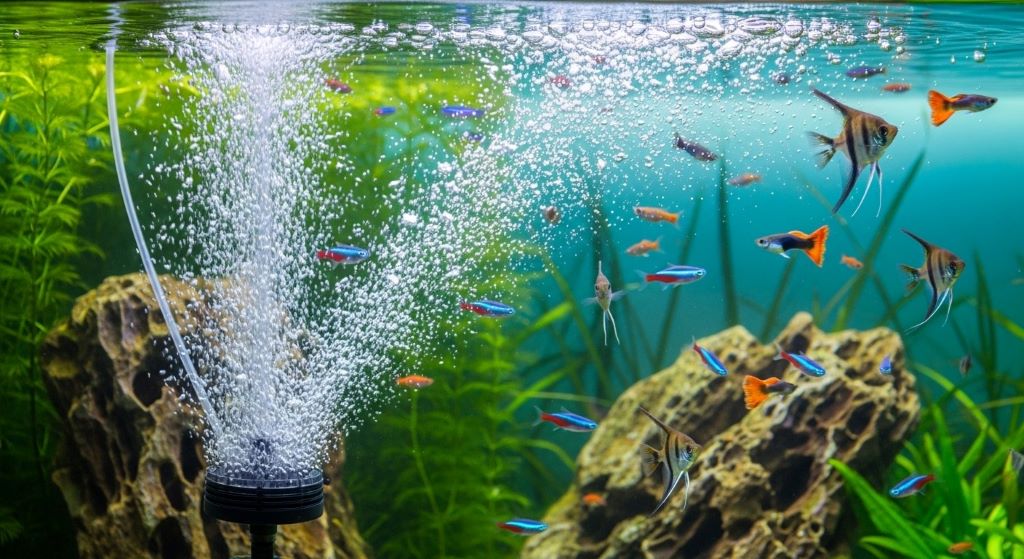
An air pump works by pushing atmospheric air through tubing into your aquarium. The air travels through an air stone or similar diffuser, creating streams of tiny bubbles that rise through the water column. This process serves multiple purposes in your aquarium ecosystem.
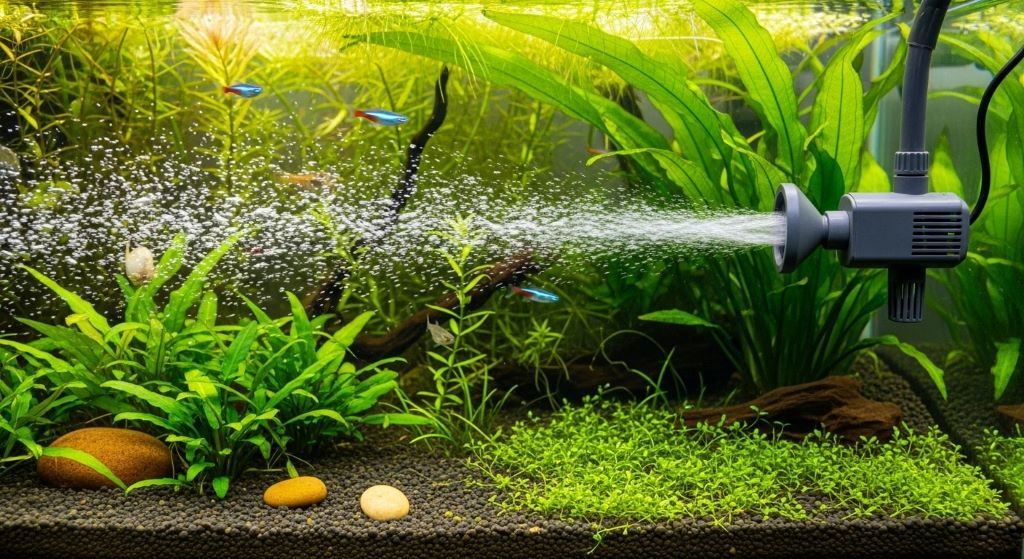
Powerheads, on the other hand, are submersible water pumps designed to move large volumes of water within your tank. They create strong currents and improve water movement throughout the entire aquarium. These devices operate entirely underwater and use impellers to push water in specific directions.
The fundamental difference lies in what each device actually moves. Air pumps move air, while powerheads move water. This distinction becomes important when you consider what your specific aquarium needs most.
Water Circulation vs Aeration Explained
Many aquarists struggle to understand the distinction between water movement and aeration. These terms often get used interchangeably, yet they describe different processes that benefit your aquarium in unique ways.
Aeration refers to the process of introducing air into water. When an air pump creates bubbles, those bubbles rise to the surface and burst, disturbing the water surface. This surface agitation is where the actual gas exchange happens. Carbon dioxide escapes while oxygen enters the water.
Water circulation describes the movement of water throughout your tank. Powerheads excel at creating currents that prevent dead spots where debris accumulates and harmful substances concentrate. Good circulation ensures that all areas of your tank receive adequate filtration and that temperature remains consistent.
Interestingly, both devices can contribute to oxygen levels, though through different mechanisms. Air pumps achieve this primarily through surface agitation, while powerheads do so by moving oxygen-rich surface water throughout the tank. The method you choose depends on your specific requirements.
Oxygen Exchange in Aquariums
The oxygen exchange process is critical for fish survival, yet it’s often misunderstood. Many people believe bubbles from air stones directly oxygenate water, but the reality is more nuanced.
Oxygen enters aquarium water primarily at the surface where water meets air. The greater the surface agitation, the more efficient this gas exchange becomes. Air pumps create bubbles that burst at the surface, causing significant disturbance that enhances this exchange.
However, powerheads can also facilitate oxygen exchange by creating surface ripples and waves. When positioned correctly, a powerhead directs water flow toward the surface, breaking the surface tension and allowing gas exchange to occur more efficiently.
Fish consume oxygen and produce carbon dioxide as they breathe. Plants do the opposite during daylight hours but reverse this process at night. Therefore, maintaining adequate oxygen levels around the clock is essential, especially in heavily stocked tanks.
When Air Pumps Work Best
Certain aquarium setups benefit significantly from air pumps. Understanding these scenarios helps you determine whether an air pump should be your primary choice.
Hospitals tanks and quarantine systems often use air pumps because medications can reduce oxygen levels in water. The enhanced aeration provided by air stones helps maintain adequate oxygen during treatment periods. Additionally, air pumps are quieter than powerheads, which can stress already sick fish.
Breeding tanks for certain species require gentle water movement with excellent aeration. Air pumps provide this combination perfectly. They create enough surface agitation for gas exchange without producing strong currents that could harm delicate fry or eggs.
Tanks with sponge filters depend entirely on air pumps for operation. The air pump draws water through the sponge material, providing both biological filtration and aeration simultaneously. This setup works wonderfully for shrimp tanks, fry tanks, and small aquariums.
Deep tanks particularly benefit from air pumps because bubbles rising from the bottom create a circular current. This natural convection current helps mix water layers and prevents temperature stratification.
When Powerheads Excel
Powerheads shine in completely different situations. Recognizing these scenarios ensures you select the right equipment for your specific needs.
Reef aquariums and saltwater tanks typically require powerheads because many corals and invertebrates need strong water movement to thrive. These organisms evolved in ocean environments with constant currents. Powerheads simulate these natural conditions effectively.
Large freshwater aquariums with fish from fast-flowing rivers, such as rainbow fish or certain African cichlids, benefit from the current powerheads create. These fish are adapted to swimming against currents and may become lethargic in still water.
Tanks with substantial amounts of live plants often use powerheads to ensure carbon dioxide and nutrients reach all plant surfaces. Good circulation prevents algae growth by eliminating stagnant areas where algae typically flourishes.
Canister filter returns can be enhanced with powerheads positioned opposite the filter outlet. This creates a complete circulation pattern throughout the tank, ensuring thorough filtration and preventing dead zones.
Pump Comparison Guide
Comparing these two devices across various factors helps clarify which option suits your situation better.
Cost considerations vary between the two options. Air pumps generally cost less initially and consume less electricity. However, they require air tubing, check valves, and air stones, which need periodic replacement. Powerheads have higher upfront costs but fewer accessories to replace regularly.
Noise levels differ significantly. Quality air pumps run quietly, though vibration can cause noise if not properly cushioned. Powerheads vary widely in noise production depending on quality and design. Higher-end models operate almost silently, while cheaper versions may create noticeable humming.
Maintenance requirements also contrast. Air pumps need occasional diaphragm replacement and regular cleaning of air stones, which clog over time with mineral deposits. Powerheads require impeller cleaning to remove debris and prevent performance decline.
Energy efficiency favors air pumps in most cases. They consume minimal electricity, making them economical for long-term operation. Powerheads use more power because they’re moving water rather than air, though modern designs have improved efficiency considerably.
Tank Size Matters
The size of your aquarium influences which device works best. Different tank volumes have different needs regarding water movement and oxygenation.
Small tanks under twenty gallons often do well with just an air pump. The surface area to volume ratio in small tanks is favorable for gas exchange, and excessive water movement from a powerhead might stress fish in limited space.
Medium-sized tanks between twenty and fifty gallons offer more flexibility. Many aquarists successfully use either option depending on their stocking levels and species requirements. Some choose to use both for maximum benefit.
Large tanks exceeding fifty gallons usually benefit from powerheads due to the challenge of circulating water throughout a substantial volume. However, supplementing with an air pump for additional aeration remains a popular choice, especially in densely stocked tanks.
Species-Specific Considerations
Your fish and plant choices should heavily influence your decision between air pumps and powerheads.
Betta fish and other labyrinth fish prefer calm water and can become stressed by strong currents. These species have adapted to stagnant waters and possess a labyrinth organ that allows them to breathe atmospheric air. An air pump with minimal flow suits them perfectly.
Goldfish are heavy waste producers and oxygen consumers. They benefit from both strong water circulation and excellent aeration. Many goldfish keepers successfully use both devices in combination to maintain optimal water quality.
Discus and angelfish appreciate gentle to moderate flow with excellent oxygen levels. A powerhead on low settings or strategically placed air stones can work well, depending on tank setup and personal preference.
Active swimmers like danios and barbs enjoy current and benefit from the exercise powerheads provide. However, ensure hiding spots exist where fish can rest away from strong flow when desired.
Combining Both Devices
Using both an air pump and powerhead together offers comprehensive benefits that exceed what either device provides alone.
This combination approach ensures both excellent water circulation and enhanced aeration. The powerhead eliminates dead spots and maintains consistent temperature, while the air pump maximizes oxygen exchange at the surface.
Strategic placement becomes crucial when using both devices. Position the powerhead to create a circular flow pattern, then place air stones in corners or areas where the powerhead’s current doesn’t reach effectively.
This dual approach particularly benefits heavily stocked tanks or aquariums with high bioload. The combined effect of increased water movement and surface agitation maintains water quality parameters more effectively than either device alone.
However, be mindful of creating too much turbulence. Observe your fish behavior carefully. If they’re constantly struggling against current or hiding, reduce flow strength or reposition equipment accordingly.
Making Your Final Decision
Several key factors should guide your ultimate choice between these devices.
Evaluate your livestock requirements first. Research the natural habitat of your fish species and try to replicate those conditions. Fish from streams need current, while pond species prefer calmer water.
Consider your filtration system type. Hang-on-back filters already create surface agitation, potentially reducing the need for an air pump. Canister filters return water below the surface, which might benefit from supplemental aeration.
Budget constraints matter, though both options are reasonably affordable. Remember that the cheapest initial option isn’t always the most economical long-term choice. Quality equipment lasts longer and performs better.
Your own preferences regarding noise and aesthetics also deserve consideration. Some people find the gentle bubbling of air stones soothing, while others prefer the invisible operation of powerheads.
Conclusion
Choosing between an aquarium air pump and powerhead doesn’t have to be complicated once you understand what each device offers. Air pumps excel at providing aeration through surface agitation, making them ideal for smaller tanks, breeding setups, and species requiring gentle flow. Powerheads dominate when strong water circulation is necessary, particularly in larger aquariums, reef tanks, and setups housing active fish from flowing waters.
The decision ultimately depends on your specific aquarium parameters, including tank size, fish species, stocking levels, and filtration system. Many successful aquariums use both devices in combination, leveraging the strengths of each to create an optimal environment. By carefully considering your unique needs and observing how your fish respond to different equipment, you can create a thriving aquatic ecosystem that keeps your fish healthy and vibrant for years to come.
Frequently Asked Questions
Can I use an air pump instead of a filter?
No, air pumps cannot replace filters. While sponge filters use air pumps to function and provide biological filtration, the air pump itself only creates bubbles. Filters remove waste and harmful chemicals, which air pumps cannot do alone. However, air-driven sponge filters work excellently in small tanks and breeding setups.
How do I know if my aquarium needs more oxygen?
Signs of low oxygen include fish gasping at the surface, especially in the morning, reduced activity levels, and fish congregating near filter outputs. If you notice these behaviors, increase surface agitation with an air pump or adjust your powerhead to create more surface ripple.
Will a powerhead harm my fish?
Properly sized powerheads won’t harm fish, though excessive current can stress species adapted to calm water. Choose adjustable models that let you control flow strength. Create calm zones behind decorations where fish can rest away from the current when needed.
Do I need a powerhead in a freshwater tank?
It depends on your setup. Planted tanks, large aquariums, and tanks housing active species benefit from powerheads. Smaller tanks with calm-water species like bettas don’t need them. Assess your specific fish requirements and tank size before deciding.
How often should I clean my air pump or powerhead?
Clean air stones monthly by soaking in vinegar to remove mineral buildup. Replace them every three to six months. Clean powerhead impellers monthly by removing debris and calcium deposits. Regular maintenance prevents performance decline and extends equipment lifespan.
Related Topics:
7 Secrets About Sustainable Aquarium Fish Sourcing You Can’t Ignore
How to Care for Betta Fish on Aquariums: Tips for a Happy, Healthy Pet