Meal prep containers support portion control by giving every meal a clear boundary. You fill each section with a planned amount, so you stop guessing at mealtime. Consequently, balanced meals become repeatable, satisfying, and easy to pack.
First, choose a portion plan before you cook a large batch. Your plan becomes visible when best containers for meal prep shape each serving. Then you can repeat the same portions across lunches and dinners.
This guide explains balanced divisions, container sizes, weekly planning, and safe storage. Additionally, you will learn simple checks that prevent overportioning and underportioning.
Start With a Simple Portion Meal Prep Framework
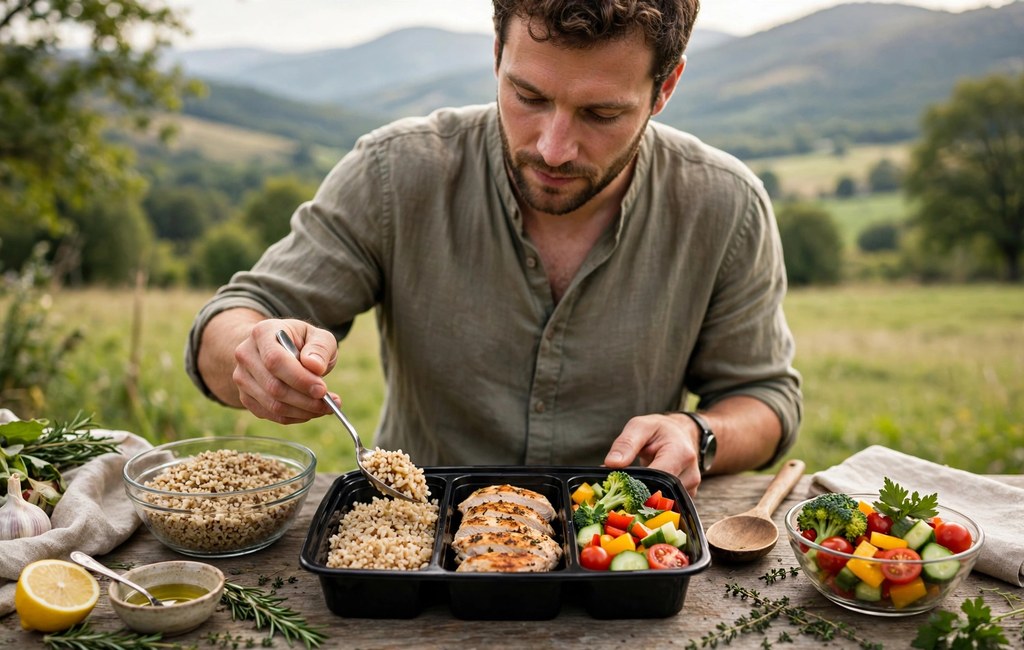
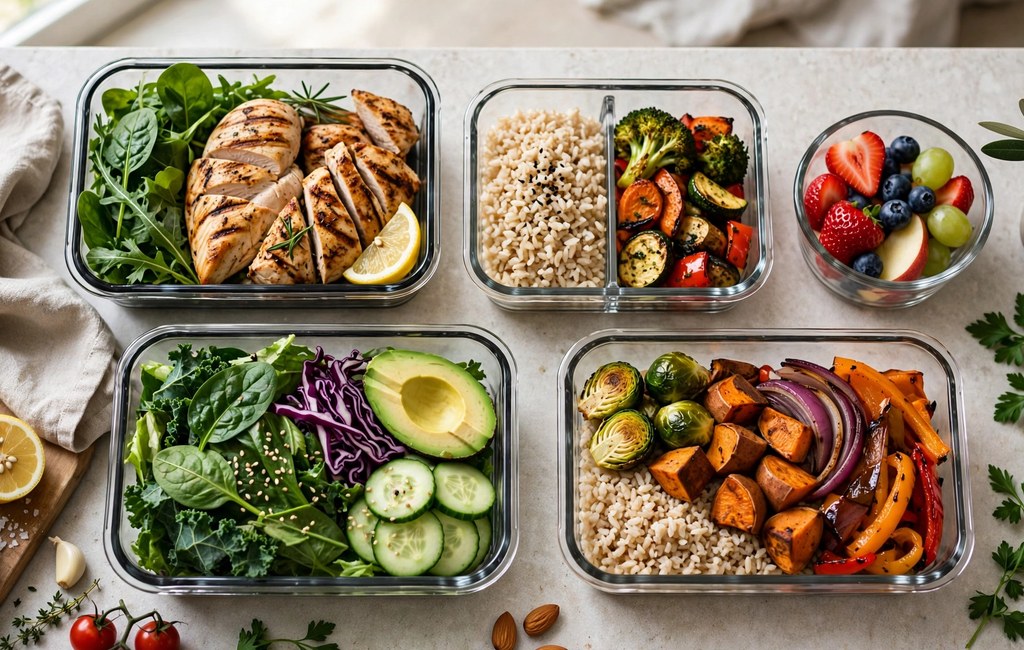
Begin with the plate method for most balanced meals. Fill half the container with nonstarchy vegetables such as broccoli, carrots, or green beans. Next, add lean protein to one quarter and whole grains to the remaining quarter. Finally, include a small amount of healthy fat for flavor and satisfaction.
Your hand also offers a quick portion guide without measuring tools. Match protein to your palm, grains to your cupped hand, and vegetables to your fist. Similarly, match added fat to your thumb for dressings, oils, and spreads. These visual cues keep servings consistent when recipes, appetites, or schedules change.
Adjust portions to your hunger, activity level, and daily eating pattern. For example, active days may call for larger grain portions and extra vegetables. On lighter days, emphasize vegetables and lean protein while reducing grains slightly. However, keep the overall structure steady so meals stay balanced and predictable. In practice, portion meal prep containers remove guesswork at mealtimes.
Match Portion Meal Prep Containers to Serving Goals
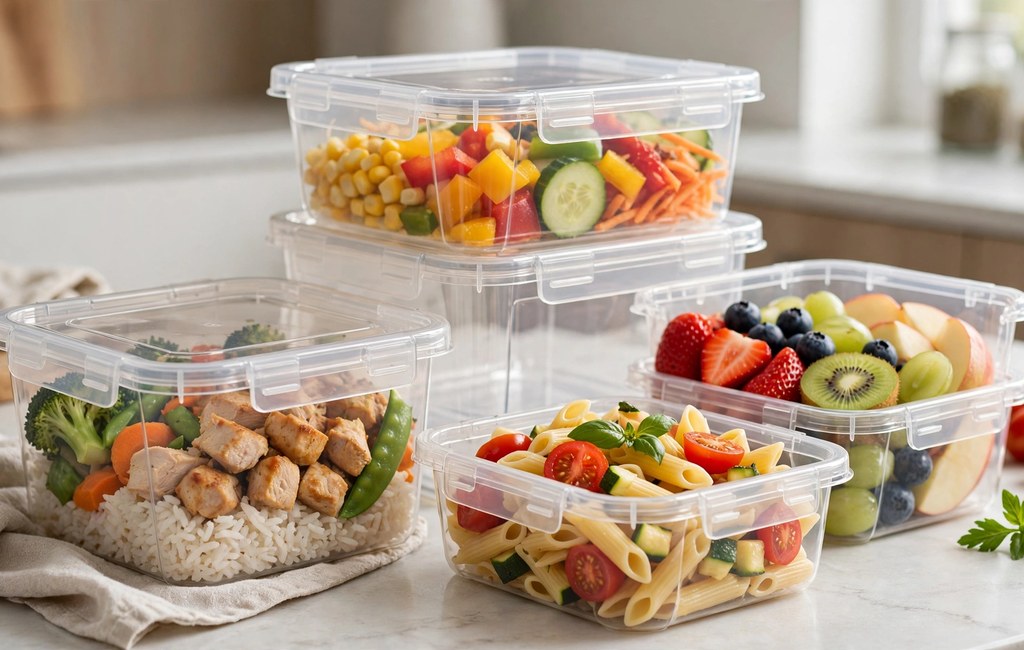
Container size shapes portion size more than willpower at the table. Medium containers suit many main meals, and meal prep container sizes clarify capacity for smaller servings. Smaller containers work better for snacks, sides, yogurt, and fruit portions.
Measure your usual serving once with cups or a scale. Subsequently, choose a container that holds that amount without extra room for overflow. An oversized container invites larger servings, even when hunger stays moderate. Conversely, an undersized container squeezes food, mixes flavors, and complicates reheating.
Test one container size for a full week before buying more. Track fullness, satisfaction, and leftovers after each meal during that trial. Afterward, adjust the size up or down based on consistent results, not one unusual day. For beginners, portion meal prep containers make servings obvious.
Divide Portion Meal Prep Containers Into Balanced Meals
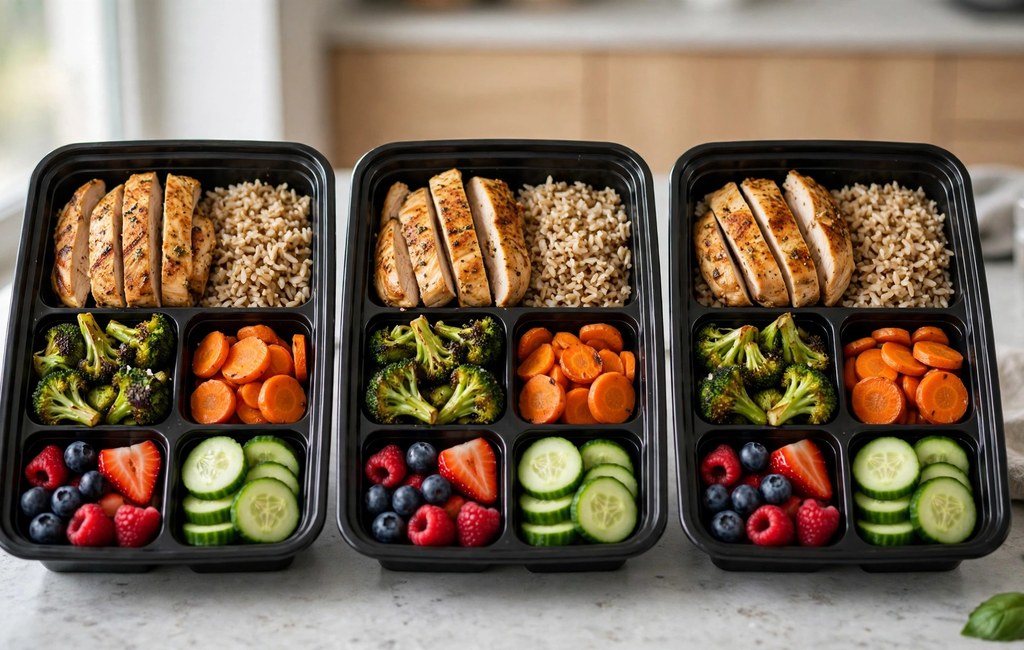
Compartments turn portion goals into separate, visible spaces for each food group. Three sections work well, and meal prep containers with compartments separate proteins, grains, and vegetables. Keep sauces in the smallest section so dressings enhance meals without dominating portions.
Assign the largest section to vegetables when you want volume without excess energy. Place protein beside vegetables, then add grains in the remaining space. That order prevents grains from crowding out vegetables or protein at packing time. Moreover, consistent placement builds a habit that speeds future packing sessions.
Use single section containers for soups, stews, grain bowls, and mixed dishes. For mixed dishes, portion the complete dish first, then divide any extras equally. Similarly, keep crunchy toppings separate until serving time for better texture. Separation preserves flavor, texture, and portion clarity across varied recipes.
Prep a Full Week Without Overportioning
Weekly planning starts with a meal count, not a vague cooking session. Count lunches, dinners, and snacks for the days ahead. Next, list proteins, grains, vegetables, and fats for each planned meal. A clear list prevents duplicate cooking, missing ingredients, and uneven portions later.
Cook components in batches, then assemble portions while food cools quickly. Portion grains first with a measuring cup, since grains expand and compress easily. Add protein next, using your palm guide or a scale for early practice. Finally, fill remaining space with vegetables and a small fat portion.
Label each container with contents and the preparation date. Place earlier meals at the front of the refrigerator for easy access. Additionally, freeze portions that you will not eat within the safe storage window. That rotation reduces waste, prevents forgotten meals, and protects portion plans. Over a week, portion meal prep containers support steadier habits.
Avoid Common Portion Meal Prep Container Mistakes
Small packing habits create large portion differences over a week. Watch these common errors during batch cooking and daily packing.
- Overfilling compartments: Leave headspace so lids close securely and portions stay visible.
- Skipping vegetables: Fill vegetable space first, then add protein and grains.
- Eyeballing grains: Measure grains during early practice until visual estimates improve.
- Ignoring snacks: Portion snacks separately so extras do not expand main meals.
- Packing while distracted: Check each container against your portion plan before sealing.
Review portions honestly after a week of consistent packing. Increase portions gradually when hunger persists, and decrease them when leftovers accumulate regularly. Meanwhile, note energy, fullness, and satisfaction alongside portion changes. At work, portion meal prep containers keep lunches consistent.
Store Portion Meal Prep Containers Safely and Reheat Them Well
First, divide large batches into shallow containers so food cools quickly and evenly. Refrigerate perishable food within two hours of cooking or serving. Keep refrigerator temperature at 40 degrees Fahrenheit or below for safe storage. Consume refrigerated cooked leftovers within three to four days.
Spread portions in shallow containers for rapid cooling, then seal lids before refrigerating promptly. Freeze extra portions promptly when you cannot eat them within four days. Thaw frozen portions in the refrigerator, not on the kitchen counter. Reheat leftovers until steaming hot throughout, reaching 165 degrees Fahrenheit for safety.
Reheat only the portion you plan to eat at that meal. Stir soups, grains, and mixed dishes midway through reheating for even warmth. Meanwhile, add fresh vegetables, herbs, or a squeeze of lemon after reheating for brightness. Discard food that smells off, shows mold, or passes the safe storage window.
Frequently Asked Questions
How much protein should a meal prep container hold?
Match protein to your palm for most meals, then adjust for hunger and activity.
What container size works best for portion control?
Choose a medium container for main meals and smaller containers for snacks and sides.
How do I divide a meal prep container for balanced meals?
Fill half with vegetables, one quarter with protein, and one quarter with grains.
How long can I keep portioned meals in the refrigerator?
Eat refrigerated cooked portions within three to four days for safety.
Can I use the same portions every day?
Repeat a base portion pattern, then vary flavors, vegetables, and grains for interest.
Conclusion
Portion control becomes simpler when containers define servings before hunger or haste decides. Build balanced divisions, match container size to serving goals, and prep consistently each week. Start with one balanced meal tomorrow, pack it carefully, and refine portions from real results. Choose your containers today and pack your first portion controlled week with confidence. In short, portion meal prep containers simplify every packed meal.