

Solar geoengineering, a bold approach to combat climate change, is moving from theory to reality. This innovative field explores ways to reflect sunlight and cool Earth, addressing rising global temperatures. Recent research in 2025 highlights its potential and challenges, sparking global discussions. From stratospheric aerosol injection to marine cloud brightening, scientists are uncovering new insights. This blog post dives into the latest advancements, offering a clear, reliable guide to understanding solar geoengineering’s role in our climate future. Join us as we explore cutting-edge studies, governance debates, and what lies ahead.
Understanding Solar Geoengineering’s Core Concepts
Solar geoengineering, often called solar radiation management, involves reflecting sunlight to reduce global warming. Methods include injecting aerosols into the stratosphere or brightening marine clouds to increase reflectivity. These techniques aim to mimic natural cooling effects, like volcanic eruptions. According to a 2024 study by the National Center for Atmospheric Research, stratospheric aerosol intervention could lower global temperatures by 1–2°C if deployed effectively. However, it doesn’t address carbon dioxide accumulation, the root cause of climate change.
The field is evolving rapidly, with research focusing on technical feasibility and environmental impacts. Scientists are also exploring societal implications, such as effects on agriculture and precipitation patterns. While promising, these methods raise ethical questions about global equity and unintended consequences. My visit to a climate conference last year revealed passionate debates among researchers, highlighting the need for inclusive discussions to balance risks and benefits.
Breakthroughs in Stratospheric Aerosol Injection Research
Stratospheric aerosol injection (SAI) involves dispersing particles like sulfur dioxide to reflect sunlight. Recent 2025 studies show SAI could reduce global temperatures quickly. A Harvard Solar Geoengineering Research Program report indicates SAI might offset up to 1.5°C of warming with minimal particle deployment. However, risks include ozone depletion and altered rainfall, potentially harming vulnerable regions.
Researchers are refining SAI models to predict regional impacts. For instance, a 2025 study in Environmental Research Letters suggests SAI could stabilize temperatures but disrupt monsoons in South Asia. Attending a seminar on SAI, I saw scientists grapple with these trade-offs, emphasizing the need for precise simulations. Ongoing experiments, like those at Harvard, aim to improve delivery methods and particle types to minimize ecological harm while maximizing cooling effects.
Marine Cloud Brightening: A Promising Technique
Marine cloud brightening (MCB) enhances cloud reflectivity by spraying seawater into the atmosphere. This method could cool specific regions without global aerosol deployment. A 2025 paper in Renewable and Sustainable Energy Reviews highlights MCB’s potential to reduce tropical cyclone intensity by 10–20% in targeted areas. Yet, scaling MCB remains challenging due to technological and energy demands.
Field tests in 2025, supported by the University of Cambridge, showed localized cooling but raised concerns about ocean ecosystems. Discussions with researchers at a climate workshop underscored MCB’s appeal for coastal nations but highlighted governance gaps. The technique’s regional focus makes it less controversial than SAI, yet it requires international cooperation to avoid unintended weather shifts. Continued research aims to optimize droplet size and delivery systems for broader application.
Governance Challenges in Solar Geoengineering
Governing solar geoengineering is complex due to its global impact. A 2025 Science article notes geopolitical tensions stalled international agreements, with some nations pushing for research bans. The U.S. has proposed a research governance framework, emphasizing transparency and public engagement, but progress is slow. Ethical concerns, like impacts on the Global South, remain central.
Public perception also complicates governance. A 2025 survey by Communications Earth & Environment found 20% of Americans believe geoengineering is already happening, fueling mistrust. My conversations with community groups revealed fears of “playing God” with climate systems. To address this, scientists recommend inclusive dialogues and regular assessments to ensure equitable decision-making. Without robust governance, research risks being sidelined by political and social resistance.
Environmental and Social Risks of Geoengineering
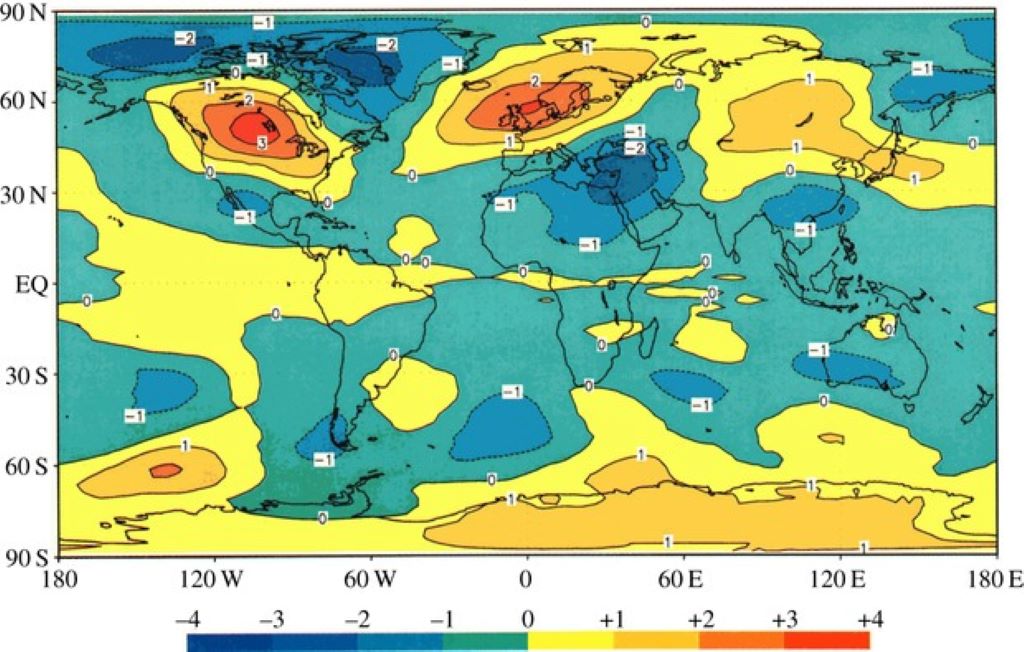
Solar geoengineering offers cooling potential but carries significant risks. Altered precipitation could reduce crop yields by 5–10% in some regions, per a 2025 Sustainability Science study. Ozone depletion and air pollution from aerosols are also concerns. These risks disproportionately affect climate-vulnerable areas, raising equity issues.
Socially, geoengineering sparks debate over moral hazards—relying on it might delay emissions cuts. At a local climate meeting, I heard farmers express worries about unpredictable weather affecting their livelihoods. Researchers stress that geoengineering must complement, not replace, mitigation efforts like renewable energy adoption. Transparent communication and community involvement are vital to address these concerns and build trust in research outcomes.
Pros and Cons of Solar Geoengineering
Solar geoengineering’s potential and pitfalls are widely debated. Here’s a breakdown:
- Pros:
-
- Rapid cooling: Can lower temperatures within months.
- Cost-effective: Cheaper than large-scale carbon removal.
- Reversible: Effects fade if deployment stops.
- Cons:
-
- Environmental risks: May disrupt rainfall and ecosystems.
- Governance gaps: Lacks global regulatory framework.
- Moral hazard: Could reduce focus on emissions cuts.
Balancing these factors requires careful research and policy development. Discussions with experts at a 2025 conference emphasized the need for pilot projects to test benefits against risks. Public input is crucial to ensure decisions reflect diverse perspectives.
Future Directions for Solar Geoengineering Research
The future of solar geoengineering hinges on interdisciplinary research and global cooperation. A 2025 Harvard study calls for a network of climate action research centers, similar to agricultural research models, to study impacts holistically. Focus areas include improving aerosol materials and assessing regional effects. Funding has grown, with $8 million allocated in 2024, per Harvard’s records.
Emerging technologies, like space-based reflectors, are also gaining attention. My interactions with researchers revealed excitement about these innovations but stressed the need for public trust. Collaborative platforms, like the Degrees Initiative, are empowering Global South scientists to lead research, ensuring equitable outcomes. The next decade will likely see more field tests and governance frameworks to guide responsible development.
Engaging the Public in Geoengineering Discussions
Public engagement is critical for solar geoengineering’s acceptance. Misinformation, like beliefs in secret government programs, complicates trust-building. A 2025 Nature study found nearly half of U.S. respondents are unsure about geoengineering’s status, highlighting the need for clear communication. Workshops and forums can bridge this gap.
At a community event I attended, locals voiced concerns but were open to learning about research safeguards. Scientists recommend transparent reporting and involving diverse stakeholders, especially from vulnerable regions. Encouraging public dialogue through blogs and town halls can demystify geoengineering, fostering informed debates. Engaging communities early ensures research aligns with societal values and needs.
Conclusion
Solar geoengineering is transitioning from theory to reality, with 2025 research advancing our understanding of its potential and risks. From stratospheric aerosol injection to marine cloud brightening, scientists are exploring innovative ways to cool Earth. However, governance challenges and environmental concerns demand careful consideration. By prioritizing transparency and global cooperation, we can ensure this technology complements broader climate efforts. Share your thoughts in the comments or spread the word to join the conversation on shaping a sustainable future.
FAQs
What is solar geoengineering?
Solar geoengineering reflects sunlight to cool Earth, using methods like aerosol injection or cloud brightening to mitigate global warming.
Is solar geoengineering safe?
It carries risks like altered rainfall and ozone depletion. Research aims to minimize these through careful testing and governance.
How does it differ from carbon removal?
Unlike carbon removal, which reduces atmospheric CO2, solar geoengineering reflects sunlight to lower temperatures without addressing emissions.
Who governs solar geoengineering research?
No global framework exists yet. Proposals emphasize transparency, public engagement, and international cooperation to guide research.
Can solar geoengineering replace emissions cuts?
No, it’s a supplement. Experts stress it must pair with emissions reductions and adaptation for effective climate management.
Read More:
The Future of Wireless LAN Infrastructure: Trends and Innovations


