
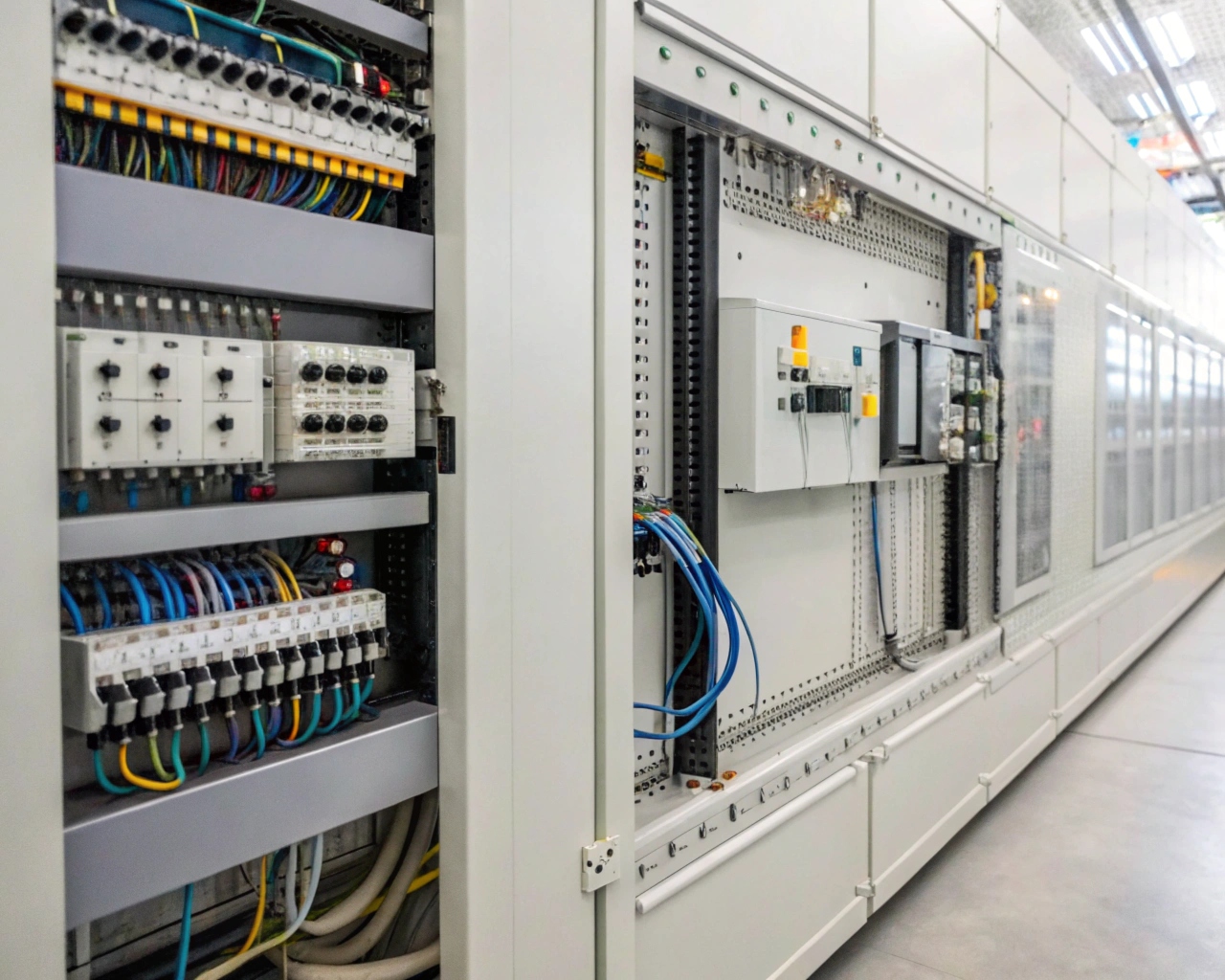
Modern facilities rely on control systems that must evolve without interrupting production. Aging hardware and outdated logic create risks that simple upgrades cannot solve alone. A skilled PLC system integrator brings structure, accuracy, and continuity to complex modernization efforts.
Maps Old Control Logic to New Hardware Without Conflict
Legacy systems often contain years of layered changes that are not always documented clearly. Translating that logic into new hardware requires careful analysis to avoid conflicts between old instructions and updated platforms. A PLC programming company reviews existing code, identifies dependencies, and rebuilds logic so it functions correctly on modern controllers.
Mismatched mapping can cause unexpected behavior, including shutdowns or incorrect outputs. Experienced integrators ensure that each function transfers cleanly, preserving system intent while improving reliability. Accurate mapping allows facilities to upgrade without losing operational consistency.
Cleans up Code so Systems Run with Fewer Faults
Over time, control code can become cluttered with unused routines, redundant steps, and temporary fixes. Cleaning up this structure improves performance and reduces the likelihood of faults during operation. A PLC system integrator evaluates existing programs and removes inefficiencies that slow down processes or create instability. Clear, organized code also makes troubleshooting easier when issues arise. Many facilities benefit from custom PLC programming that replaces outdated logic with streamlined instructions. Cleaner systems respond faster, operate more predictably, and require less maintenance over time.
Coordinates Upgrades Across Mixed Brand Equipment
Facilities often operate with equipment from multiple manufacturers, each with its own communication protocols and limitations. Coordinating upgrades across these systems requires careful planning to ensure compatibility. A PLC programming company aligns devices so they communicate effectively, even when brands differ.
Without proper coordination, mismatched equipment can lead to delays, data loss, or control errors. Integrators manage these challenges by creating unified communication structures that allow all components to work together. This approach supports smoother modernization while maintaining operational continuity across the entire system.
Tests Sequences to Avoid Startup Surprises
System startups can reveal hidden issues that were not apparent during installation. Testing sequences before full operation helps identify problems early and prevent costly downtime. A PLC system integrator simulates real-world conditions to confirm that processes run as expected.
These tests verify timing, logic flow, and response to different inputs. Proper validation ensures that production lines start without unexpected interruptions. Careful testing reduces risk and allows teams to move forward with confidence once the system goes live.
Documents Systems for Easier Future Changes
Clear documentation provides a roadmap for future updates and maintenance. Many older systems lack detailed records, making changes difficult and time-consuming. A PLC programming company creates structured documentation that outlines system logic, wiring, and configurations.
This information allows technicians to understand how the system operates without guesswork. Well-documented systems also support faster troubleshooting and smoother upgrades later. Keeping accurate records ensures that future modifications can be made efficiently and without disrupting operations.
Tunes Cycle Times for Steadier Output Rates
Production efficiency depends on consistent cycle times that match demand without overloading equipment. Adjusting these cycles requires a deep understanding of both mechanical and control system behavior. A PLC system integrator analyzes performance data and fine-tunes timing to improve output stability.
Balanced cycles reduce wear on machinery and prevent bottlenecks in production. Custom PLC adjustments help align system performance with operational goals. Improved timing leads to smoother workflows and more predictable results across the entire process.
Bridges Gaps Between Field Devices and Control Panels
Field devices such as sensors, actuators, and drives must communicate accurately with control panels to maintain system performance. Integration challenges often arise when signals are inconsistent or improperly configured. A PLC programming company ensures that connections between devices and controllers are properly established and calibrated. Reliable communication allows systems to respond quickly to changing conditions. Integrators also address compatibility issues that can disrupt signal flow. Strong connections between components create a stable foundation for modernized control systems.
Plans Cutovers to Keep Production Lines Moving
Transitioning from old systems to new ones requires careful timing to avoid production loss. Integrators develop detailed cutover plans that minimize downtime and maintain workflow continuity. These plans often include staged transitions, backup strategies, and contingency measures. Key elements of a successful cutover include:
- Scheduled transition windows that align with production demands
- Backup systems to maintain control during the switch
- Step-by-step verification to confirm proper operation
A PLC system integrator manages these steps to ensure that modernization does not interrupt daily operations. Thoughtful planning keeps production lines running smoothly throughout the upgrade process.
Verifies Signals so Inputs and Outputs Stay Accurate
Accurate signal verification ensures that every input and output functions as intended. Sensors must send correct data, and controllers must respond with precise actions. A PLC programming company tests each connection to confirm reliability under real operating conditions. Faulty signals can lead to incorrect decisions, affecting both safety and efficiency. Integrators check calibration, wiring, and response timing to eliminate errors. Proper verification supports consistent system performance and prevents issues that could disrupt operations after modernization is complete.
Facilities seeking dependable modernization often work with experienced providers like RL Consulting. Their team delivers structured PLC programming, custom PLC solutions, and system integration that aligns with real production needs. Careful planning, detailed testing, and clear documentation allow upgrades to move forward without disrupting operations. Working with a trusted PLC system integrator such as RL Consulting helps ensure that modernization efforts result in stable, efficient, and reliable control systems built for long-term performance.


