

Cats are beloved members of our families, offering companionship, affection, and endless entertainment. Just like humans, cats need regular health check-ups to live long, healthy lives. Yet, many cat owners wonder, how often do you take a cat to the vet? While felines are often perceived as low-maintenance pets, veterinary care is essential to ensure their well-being. Understanding your cat’s health needs at different life stages can help prevent serious medical issues and keep your feline friend purring for years to come.
According to experts at Kooiii.com, proper pet care goes beyond food and litter—it involves a comprehensive approach that includes routine vet visits, vaccinations, parasite prevention, and dental care. Whether you’re a first-time cat parent or a seasoned feline enthusiast, it’s crucial to know when and why your cat should visit the vet.
How Often Do You Take a Cat to the Vet?
For most healthy adult cats, an annual check-up is usually sufficient. However, there are certain life stages and health conditions that may require more frequent visits. If you’re still wondering how often do you take a cat to the vet, the answer depends on various factors such as age, medical history, and lifestyle.
Let’s explore this topic in detail by breaking it down by life stages.
Kitten Vet Visit Schedule (0-12 Months)
Kittens require the most frequent vet visits, typically starting at around 6 to 8 weeks of age. These early appointments are crucial for setting the foundation of your kitten’s health.
During the first year, kittens need:
- Multiple vaccinations (feline distemper, calicivirus, rabies)
- Deworming treatments
- Flea and tick prevention
- Spaying or neutering surgery
- General health assessments
You can expect to visit the vet about every 3–4 weeks until your kitten is around 16 weeks old. After their first year, they can transition to an adult cat schedule with annual check-ups, assuming they’re healthy.
Adult Cat Vet Visit Schedule (1-7 Years)
Once your cat matures, annual vet visits typically suffice unless health issues arise. These visits should include:
- Physical examination
- Vaccination boosters
- Dental health check
- Parasite control
- Weight and nutrition counseling
Adult cats, especially those who live indoors, might seem self-sufficient, but hidden health issues like dental disease or early kidney dysfunction can develop without visible symptoms. Regular wellness exams can catch these issues early, often leading to better outcomes and less invasive treatments.
Senior Cat Vet Visit Schedule (7+ Years)
As cats age, their risk of developing chronic conditions increases. Therefore, senior cats should see a vet at least twice a year for a thorough check-up.
These check-ups often include:
- Bloodwork to assess organ function
- Blood pressure checks
- Urinalysis
- X-rays or ultrasounds if needed
Early detection of age-related issues such as arthritis, thyroid problems, or kidney disease can significantly improve a senior cat’s quality of life.
Special Considerations for Vet Visits
Indoor vs. Outdoor Cats
Outdoor cats are exposed to more hazards—parasites, infectious diseases, and injuries—which may necessitate more frequent vet visits. Indoor cats, while generally safer, still require routine care to monitor weight, dental health, and internal organ function.
Chronic Health Conditions
If your cat has been diagnosed with diabetes, hyperthyroidism, asthma, or any other chronic illness, your vet will likely recommend more frequent monitoring. Medication adjustments and progress evaluations may require visits every few months.
Emergency Visits
In addition to scheduled check-ups, there may be times when an emergency vet visit is necessary. Look out for these signs:
- Sudden loss of appetite
- Vomiting or diarrhea lasting more than 24 hours
- Difficulty breathing
- Lethargy or weakness
- Urinary issues
- Visible injuries or trauma
Don’t wait for regular appointments if your cat is showing unusual symptoms—early intervention is often key to recovery.
Why Regular Vet Visits Matter
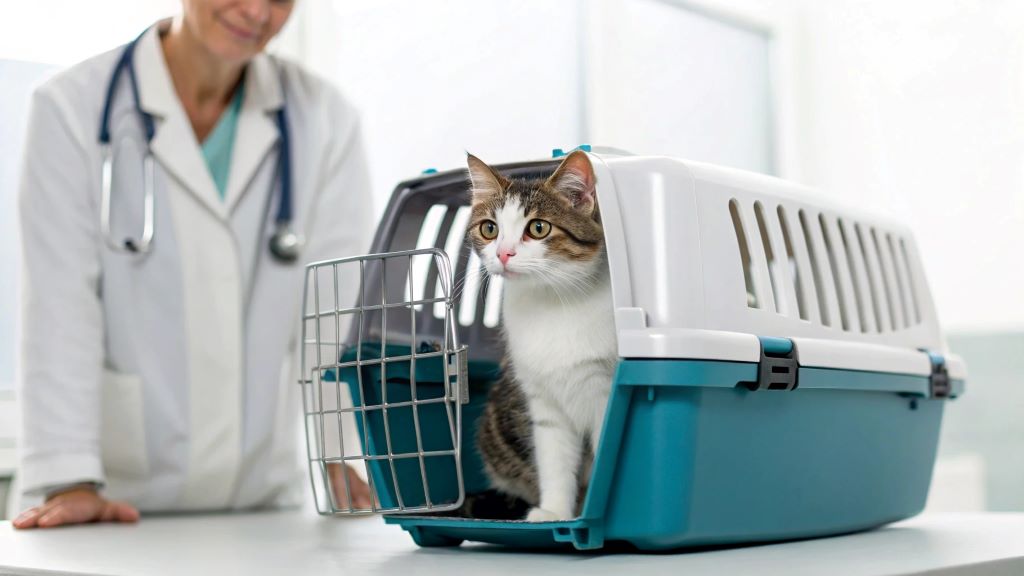
Regular vet visits help ensure your cat receives preventative care that can save you money and stress in the long run. A simple yearly check-up could detect problems that might otherwise go unnoticed until they become serious.
Additionally, vaccinations and parasite prevention help keep your cat safe from common and often deadly feline diseases. According to the American Veterinary Medical Association (AVMA), preventative care is critical for longevity and overall well-being.
Choosing the Right Vet for Your Cat
Not all vets are created equal, and finding a veterinarian your cat (and you) trust is essential. Look for clinics that specialize in feline care or are certified “Cat Friendly Practices” by the American Association of Feline Practitioners. These facilities understand how to reduce stress and anxiety for cats during vet visits.
Be sure to ask about:
- Clinic’s emergency care options
- Approach to feline behavior and handling
- Range of services offered (dental, diagnostics, surgery)
- Costs and insurance compatibility
A reliable vet becomes a partner in your pet’s lifelong care and can offer tailored advice based on your cat’s individual needs.
FAQs About Cat Vet Visits
- How often do you take a cat to the vet if they seem healthy?
Even if your cat appears healthy, an annual check-up is still important for early disease detection and routine preventive care. - What vaccinations does my cat need?
Core vaccinations typically include rabies, feline distemper (panleukopenia), calicivirus, and herpesvirus. Your vet may recommend others based on your cat’s lifestyle. - How do I know if my cat is sick?
Cats often hide symptoms. Look for signs like behavioral changes, weight loss, vomiting, or hiding. Any changes in normal routines warrant a vet check. - Can I skip annual vet visits for my indoor cat?
No. Indoor cats still need vaccinations, dental care, and wellness exams to catch potential issues before they escalate. - What does a typical vet visit cost?
Routine visits can range from $50 to $150, not including vaccinations or additional diagnostics. Pet insurance or wellness plans may help reduce out-of-pocket expenses.
Conclusion
Caring for a cat is about more than providing food and a cozy home—it’s about ensuring they live a long, happy, and healthy life. Knowing how often do you take a cat to the vet can make a substantial difference in your cat’s quality of life. From kittenhood to their golden years, regular vet visits are essential for early diagnosis, effective treatment, and peace of mind.
If you want to dive deeper into feline health and lifestyle tips, Kooiii.com offers a wealth of information to guide you on your pet parenting journey. With a proactive approach to veterinary care, you’ll ensure your feline companion enjoys every purr, nap, and playtime for years to come.
Read More:


