
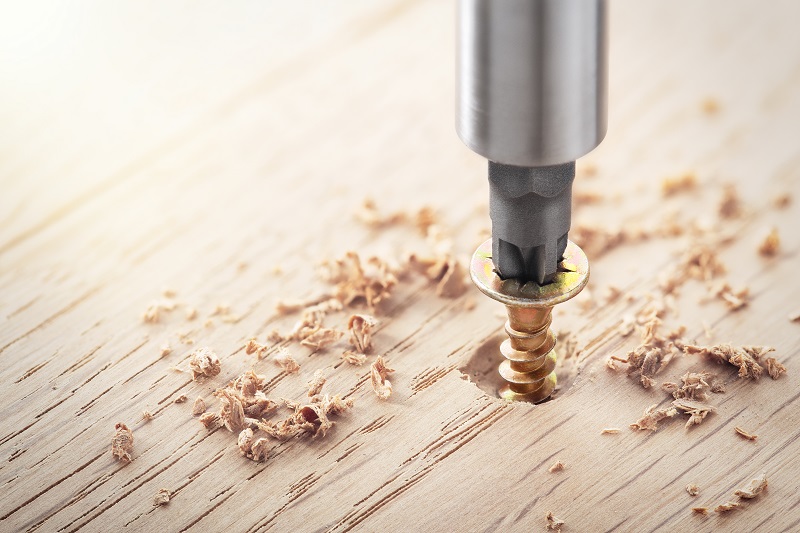
So, you’ve encountered the exasperating scenario of a stripped screw hole. Fret not, for we’re about to dive into the world of adhesives, exploring the best glues to rescue your DIY endeavors and home repairs.
Why Do Screw Holes Strip?
Before delving into the glue talk, let’s understand the root cause. Screw holes typically strip due to over-tightening, wear and tear, or using the wrong type of screw for the material. It’s a common woe, but fear not – a robust adhesive can be your knight in shining armor.
1. Wood Filler: The Carpenter’s Ace
For wooden surfaces, wood filler is a trusty sidekick. It not only fills the stripped hole but also reinforces the structure. Apply the filler, let it dry, and then reinsert your screw. Voila! Your wooden companion is back in action.
2. Epoxy Resin: The Versatile Wonder
Epoxy resin is the Swiss Army knife of adhesives. Its versatility makes it suitable for various materials, including wood, metal, and plastic. Mix the components, apply to the stripped hole, and witness the magic as it solidifies.
3. Wood Glue: A Carpenter’s Classic
Wood glue, a timeless classic in the carpenter’s arsenal, is excellent for wooden surfaces. Apply liberally, insert the screw, and let the glue work its bonding magic. Ensure it’s fully dried before putting your creation to the test.
4. Plastic Wood Filler: Mending Plastic Woes
For stripped holes in plastic, a specific solution is needed. Enter plastic wood filler. It seamlessly blends with the material, providing a sturdy foundation for your screw. Apply, let it dry, and embrace the renewed strength.
5. Cyanoacrylate (Super Glue): A Quick Fix
In the realm of quick fixes, super glue – or cyanoacrylate – takes the lead. It’s a fast-bonding adhesive suitable for various materials. Apply a small amount, insert the screw, and watch the bond form swiftly.

Frequently Asked Questions (FAQs):
Q: Can I use regular glue for stripped screw holes?
A: While regular glue may provide a temporary fix, it lacks the durability of specialized adhesives like wood glue or epoxy resin. Opt for an adhesive that suits the material.
Q: How long should I wait before reinserting the screw after applying glue?
A: The drying time varies with different adhesives. Follow the instructions on the product, but as a general rule, waiting 24 hours ensures a solid bond.
Q: Is wood filler suitable for outdoor use?
A: Some wood fillers are formulated for outdoor use, providing resistance to weather elements. Check the product specifications for outdoor compatibility.
Q: Can I use epoxy resin on metal surfaces?
A: Yes, epoxy resin is versatile and adheres well to metal surfaces. It’s an excellent choice for restoring stripped screw holes in metal.
Q: Should I remove the old screw before applying glue?
A: Yes, it’s advisable to remove the old screw before applying glue. Clean the hole thoroughly for better adhesion.
Conclusion: Resurrecting Screw Holes with Adhesive Ingenuity
When faced with the frustration of stripped screw holes, don’t throw in the towel – reach for the right adhesive. Whether it’s wood filler, epoxy resin, wood glue, plastic wood filler, or super glue, each has its specialty in the toolkit of salvation.


