Fishing gear isn’t cheap. Your rods and reels are investments that deserve proper care. Neglect them, and you risk corrosion, line memory, broken guides, or worse—total failure on the water. Whether you’re a weekend warrior or a tournament angler, storing your gear correctly can significantly extend its life. Let’s break down how to store your rods and reels without ruining them, with real-life insights, pro advice, and foolproof strategies.
Why Proper Storage Matters More Than You Think
A fishing rod might look like it can withstand anything. But subtle damage from poor storage—like warped blanks or corroded guides—can quietly destroy performance. The American Sportfishing Association estimates anglers spend over $46 billion annually on gear and related expenses. That’s a hefty price tag, so it makes sense to preserve what you’ve already bought.
Improper storage often leads to:
- Moisture damage, especially in humid garages or sheds
- Rod blank warping, due to uneven weight distribution
- Reel corrosion, caused by salt and humidity
- Line deterioration, from UV rays or tension
According to experts at Field & Stream, 60% of reel issues stem from storage-related neglect, not mechanical failure.
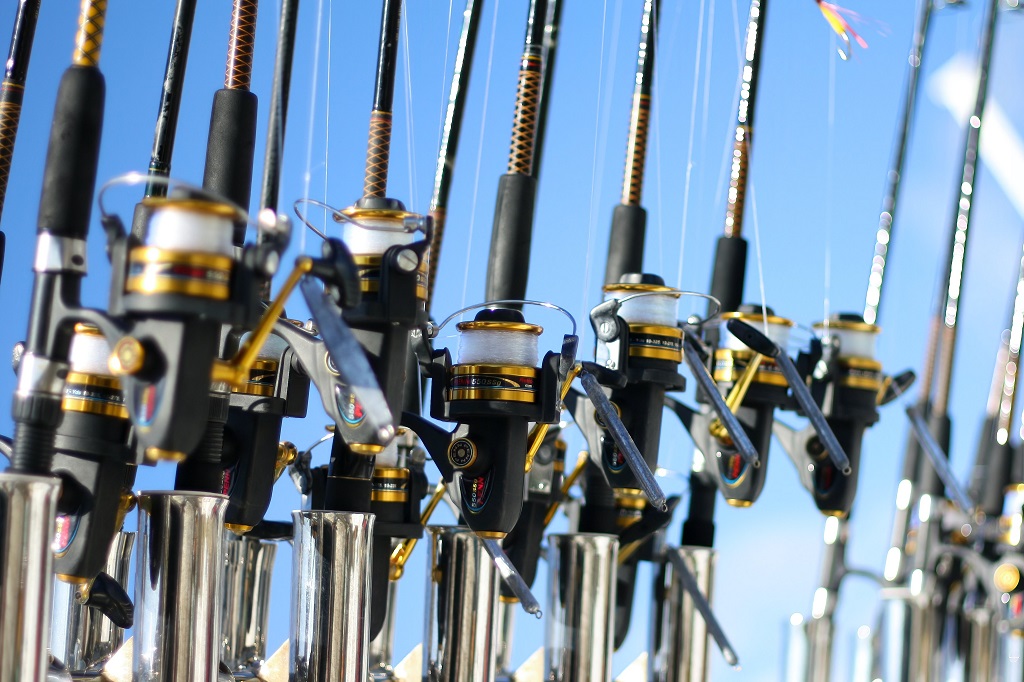
Start With a Thorough Clean Before Storage
Before you even think about storage, clean your gear. Salt, sand, algae, and gunk can wreak havoc over time. Rinse your rods with freshwater and use a mild soap on reels. Always dry them thoroughly with a soft cloth.
Remove the reel from the rod. This may seem tedious, but it prevents pressure on the reel seat and allows you to inspect both pieces closely.
For reels:
- Loosen the drag completely
- Wipe the spool and housing
- Apply light oil to moving parts
- Store in breathable reel bags or hard cases
For rods:
- Clean guides and blank with a soft brush or Q-tip
- Check for nicks or cracks
- Use a rod sleeve or cloth wrap to prevent scratches
Store Vertically Whenever Possible
Storing rods vertically is the safest method. Horizontal racks can work, but if improperly aligned, the rod may bend over time. A bent blank affects casting accuracy and strength.
Invest in a vertical rack with foam or padded holders to avoid scratching the blank. Wall-mounted versions are great for garages or fishing rooms. Keep rods at room temperature and out of direct sunlight. UV light deteriorates resin and weakens rod structure over time.
Avoid leaning rods in corners. Gravity bends them slowly, often unnoticed until it’s too late. Bassmaster Elite Series anglers often use custom rod lockers with upright storage, a tactic worth emulating.
Keep Reels in Climate-Controlled Environments
Reels contain metal parts prone to oxidation. Avoid storing them in damp sheds or hot car trunks. Ideally, keep reels in a cool, dry room. Use silica gel packs inside storage containers to reduce moisture. Experts at Salt Strong recommend using sealed plastic bins with ventilation holes to balance airflow and humidity control.
Do not leave reels attached to rods for long periods. This creates pressure on reel feet and the seat, leading to loosened hardware or hairline cracks.
Also, avoid storing reels with the line under tension. Back off the drag completely, which preserves internal washers and prevents spool stress.
Choose the Right Storage Area
Where you store your gear matters. Basements are often too damp. Garages swing between freezing and scorching. Closets inside your home tend to offer the most stable temperature and humidity.
If you must store gear in a garage or shed, install a dehumidifier or air vents. Elevated shelves are better than floors, where moisture collects. Use wall-mounted racks with airflow around them, avoiding direct contact with exterior walls.
Use Line-Friendly Storage Practices
Monofilament and fluorocarbon lines suffer from “memory” when left tightly wound under tension. This causes coiling, weakening, and poor casting. Braided line fares better but still suffers in heat.
To protect your line:
- Loosen or remove it during offseason
- Store spools in a dark drawer or case
- Avoid direct sunlight and high heat
Serious anglers like those featured in In-Fisherman Magazine advocate respooling each season, even if the line appears intact.
Store by Species or Season
If you target multiple species, organize gear accordingly. This strategy not only protects your equipment but also simplifies future trips.
For example:
- Keep ice fishing rods stored separately in hard tubes
- Group inshore setups away from freshwater bass combos
- Use color-coded tags or boxes for easy access
Label each rod with tags noting line type, pound test, and reel gear ratio. It saves time and prevents you from grabbing the wrong setup next season.
Smart Storage Accessories That Make a Difference
Technology has made fishing storage more efficient than ever. Consider investing in:
- Rod socks or sleeves: Prevent scratches and guide damage
- Desiccant packs: Control humidity in reel cases
- Hard rod tubes: Perfect for travel or long-term storage
- Wall-mounted racks: Save space and keep rods off the floor
- Reel bags: Protect reels from dust and moisture
One overlooked option is a rotating rod rack, which gives easy access while ensuring even spacing between rods. These are ideal for anglers with large collections.
Read More Also: How to Keep Your Home Sparkling and Sustainable
What the Pros Say
Elite anglers agree: maintenance and storage separate weekend hobbyists from serious fishermen. Mike Iaconelli, pro bass angler, stresses routine checks and climate control. “You wouldn’t leave a $300 phone in a hot car,” he says, “so why do it with a $300 reel?”
Recreational fishers echo the same advice online. Reddit’s r/Fishing community frequently posts horror stories about melted handles and seized reels—all due to poor storage habits.
FAQs on How to Store Your Rods and Reels Without Ruining Them
-
Can I store my rods in the garage?
Yes, but ensure the area is dry and well-ventilated. Avoid direct heat and place rods on racks, not leaning against walls.
-
Should I keep the reel attached to the rod during storage?
For long-term storage, remove it. This reduces pressure on the reel seat and makes cleaning easier.
-
How often should I oil my reels during storage?
Once before storage is enough for short-term. For long storage, re-oil every few months to prevent seizing.
-
Is vertical storage better than horizontal?
Yes. Vertical storage maintains rod integrity and avoids warping that can happen with poorly supported horizontal setups.
-
Can I store rods with the line still on them?
You can, but loosen the drag. For long-term storage, consider removing the line to prevent memory issues.
-
What’s the best temperature for reel storage?
Between 60–75°F. Avoid extremes. High heat can melt lubricants; cold can cause condensation.
-
How do I prevent rod tips from snapping in storage?
Use rod sleeves or hard tubes. Keep rods upright and spaced out to prevent them from leaning or falling.
Read More Also: Essential Gear to Kickstart Your Cleaning Services
Final Thought
Knowing how to store your rods and reels without ruining them is more than just good practice—it’s essential gear preservation. Proper storage saves money, improves performance, and ensures you’re always ready to hit the water. With the right methods, you can keep your equipment in pristine shape for years, not just seasons.
Don’t let neglect be the reason your gear fails. Store smart, fish longer.