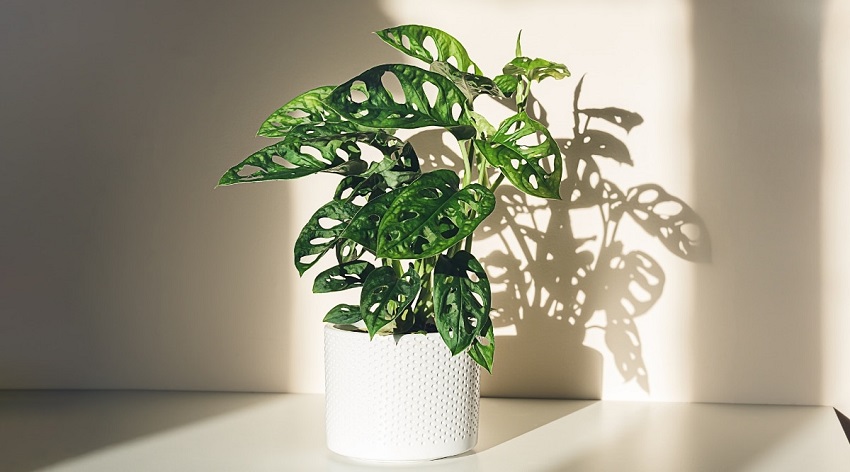
Monstera plants, known for their large and vibrant leaves, have become increasingly popular as houseplants in recent years. These tropical plants, native to the rainforests of Central and South America, are not only visually appealing but also relatively easy to care for. However, just like any other plant, Monstera has specific requirements when it comes to sunlight. In this article, we will explore the effects of excessive sun exposure on Monstera plants and provide you with valuable insights on how to maintain the optimal balance of sunlight for these beautiful green companions.
Understanding Monstera’s Sunlight Needs
Before delving into the potential consequences of excessive sun exposure, it’s crucial to comprehend the natural habitat of Monstera plants. In their native environment, Monstera plants grow under the canopy of larger trees, which offers them partial shade. This means that they receive filtered sunlight, allowing them to thrive in a bright yet indirect light environment.
Replicating these conditions in a home setting is essential to ensure the health and well-being of your Monstera. It’s important to note that exposing your Monstera to direct sunlight, especially during the hottest hours of the day, can have detrimental effects on its growth and overall health. Therefore, make sure to place your Monstera in a spot where it can receive bright but indirect sunlight, and avoid exposing it to monstera direct sunlight.
The Risks of Too Much Sun
Monstera plants are generally adaptable and can tolerate a range of lighting conditions. However, subjecting them to excessive sunlight can lead to various issues. Let’s explore some of the risks associated with too much sun exposure:
1. Leaf Burning
When a Monstera plant is exposed to direct sunlight for prolonged periods, its leaves may start to show signs of burning. Leaf burn appears as brown or yellow patches on the foliage, often accompanied by dry and crispy edges. These unsightly marks can detract from the plant’s beauty and overall aesthetic appeal.
2. Leaf Fading
In addition to burning, excessive sun exposure can cause the leaves of a Monstera plant to fade. The vibrant green color that makes these plants so attractive may gradually fade and become washed out. Instead of the rich, deep green shade, the leaves may appear pale and lackluster.
3. Stunted Growth
Monstera plants rely on photosynthesis to generate energy and fuel their growth. When subjected to intense sunlight, their leaves may suffer damage, affecting their ability to produce energy efficiently. Consequently, the plant’s growth may become stunted, and it may struggle to develop new leaves or expand its size.
4. Increased Watering Needs
Excessive sun exposure can also impact the water requirements of a Monstera plant. When exposed to intense sunlight, the plant’s leaves lose more moisture through evaporation. As a result, the soil may dry out more quickly, requiring more frequent watering to maintain adequate moisture levels. Failing to meet the increased water demands can lead to dehydration and further stress the plant.
Finding the Right Balance
To ensure your Monstera thrives and maintains its lush appearance, striking the right balance between sunlight and shade is crucial. Here are some tips to help you achieve optimal light conditions for your plant:
1. Indirect Bright Light
Position your Monstera plant in a location where it receives bright, indirect light. Avoid placing it in direct sunlight, especially during the peak hours of the day when the sun’s rays are strongest. Indirect light, such as that filtered through a sheer curtain or provided by a few feet away from a window, will provide the plant with the necessary illumination without risking overexposure.
2. Observation and Adjustment
Keep a close eye on your Monstera’s response to its current lighting conditions. Observe the leaves regularly for any signs of burning, fading, or stunted growth. If you notice any adverse effects, consider adjusting the plant’s placement to provide it with more shade or indirect light. Experimentation and observation are key to finding the perfect spot for your Monstera.
3. Shade Cloth or Sheer Curtain
If your home receives intense sunlight or if you live in a region with a particularly hot climate, consider using a shade cloth or hanging a sheer curtain in front of the window where your Monstera resides. These measures can help filter the sunlight, reducing its intensity and protecting your plant from potential harm.
4. Rotate the Plant
Rotating your Monstera periodically can ensure that all sides of the plant receive equal amounts of light. This practice promotes balanced growth and helps prevent the leaves from leaning or reaching towards the light source, which could result in uneven foliage distribution.
5. Supplemental Lighting
In situations where natural light is limited, you may consider providing supplemental lighting for your Monstera. LED grow lights are an excellent option as they can mimic natural sunlight and allow you to control the intensity and duration of light exposure.
Conclusion
Maintaining the ideal balance of sunlight for your Monstera plant is crucial to its overall health and vitality. Excessive sun exposure can lead to leaf burning, fading, stunted growth, and increased watering needs. By understanding and meeting the plant’s sunlight requirements, you can ensure that your Monstera remains a stunning centerpiece in your indoor garden. Remember to observe and adjust as necessary, finding the perfect spot that allows your Monstera to thrive and flourish. With the right care and attention, your Monstera will reward you with its lush foliage and striking beauty.