
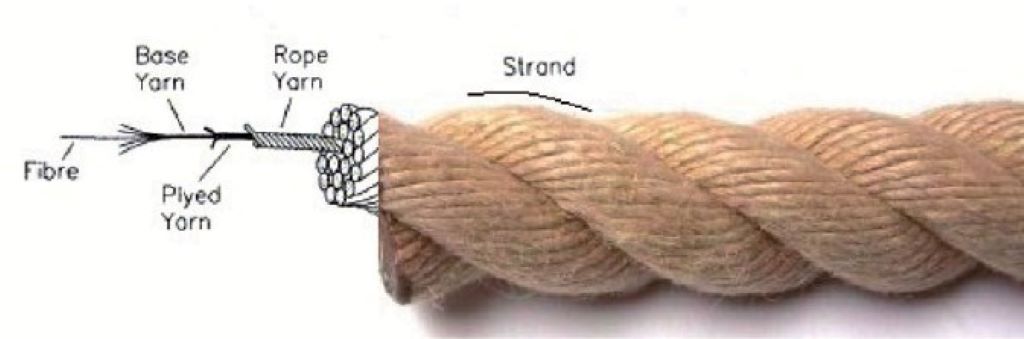
Understanding Yarn Twist Rate: The Basics
What is Yarn Twist Rate?
The twist rate refers to the number of twists applied to yarn during its production. Typically measured in twists per inch (TPI), it determines the alignment of fibers within the yarn. Higher or lower twist rates directly affect yarn’s tensile strength, flexibility, and abrasion resistance.
Twist Direction: S-Twist vs. Z-Twist
Yarn can be twisted in either an S or Z direction. The orientation of these twists influences how yarns interact when twisted together to form ropes. Harmonizing these twists ensures a stronger, balanced rope.
Impact of Over-Twisting and Under-Twisting
- Over-twisting increases tension, which may enhance strength but reduce flexibility.
- Under-twisting results in loose fibers, lowering the rope’s overall durability.
The Science Behind Twist Rate and Rope Strength

Rope strength derives from the interplay of its individual yarns and fibers. The twist rate affects how these fibers transfer and distribute load:
- Load Distribution
A balanced twist ensures even load distribution across fibers, preventing weak points. Imbalanced twists can concentrate stress on certain areas, causing premature failure. - Fiber Alignment
Proper alignment through controlled twist rates allows for optimal tensile strength, reducing the risk of breakage under tension. - Abrasion Resistance
Yarns with moderate twist rates demonstrate better abrasion resistance as fibers remain compact and less prone to wear.
Practical Applications: Twist Rates in Rope Design
Professionals in various fields use specific rope designs tailored to their needs:
- Climbing Ropes: Require flexibility with high strength; moderate twist rates are ideal.
- Marine Ropes: Higher twist rates provide resistance to harsh conditions and extended use.
- Utility Ropes: Lower twist rates offer softness and ease of handling.
For intricate uses like how to make rope handcuffs, twist rate consistency ensures the required balance between rigidity and maneuverability.
Comparative Analysis: Twist Rate Studies
Scientific research confirms the critical role of twist rates:
- A study published in Textile Research Journal revealed that ropes with a twist rate between 3-5 TPI exhibit a 20% higher tensile strength compared to ropes with extreme twist rates.
- Case studies from the marine industry report that ropes with optimal twist direction combinations endure 15% longer in abrasive environments.
How Manufacturers Optimize Twist Rate
- Material Selection
Nylon, polyester, and polypropylene require different twist rates to maximize their unique properties. - Advanced Testing
Manufacturers employ tensile tests to evaluate how twist rates influence overall performance. - Simulation Techniques
Modern technology like CAD simulations ensures ropes meet specific requirements before production begins.
FAQs
Why is twist rate crucial in rope design?
The twist rate ensures balance, strength, and durability by aligning fibers efficiently to handle stress.
What happens if a rope’s twist rate is too high?
Excessive twisting can increase tension but make the rope rigid and susceptible to breakage under dynamic loads.
Can I adjust twist rate for DIY rope projects?
Yes, controlling the twist while weaving allows for better performance.
Does twist rate affect rope aesthetics?
Yes, tighter twists result in more uniform and visually appealing ropes.
How does material choice interact with twist rate?
Each material has optimal twist rates; nylon prefers moderate twists, while polypropylene benefits from tighter twists.
Is there an industry standard for twist rates?
Standards vary by application, but many industries adhere to ASTM or ISO guidelines for uniformity.
You Might Enjoy: 5 Free Tools and Templates for Calculating Your Freelance Income
Conclusion
The twist rate of yarn is more than a technical detail—it’s a vital factor shaping the performance and reliability of finished ropes. Whether for climbing, marine use, or crafting, understanding and optimizing this parameter ensures ropes meet their intended function with precision.


