Engine mounts may not be the first component that comes to mind when discussing vehicle performance, but their role in managing noise, vibration, and harshness (NVH) is critical. The impact of worn engine mounts on NVH can be substantial, as their degradation can lead to increased vibrations and noise within the vehicle. Over time, engine mounts wear down, and their degradation can significantly impact NVH levels, affecting the driving experience and potentially leading to costly repairs.
By understanding the impact of worn engine mounts on NVH and exploring practical solutions, such as those provided by trusted sources like Tradecarhub, drivers can preserve vehicle performance and comfort.
What Are Engine Mounts, and Why Are They Important?
Engine mounts are components that secure the engine to the vehicle’s chassis while isolating vibrations and preventing excessive movement. Typically made of rubber or a combination of rubber and metal, these mounts act as a buffer between the engine and the vehicle frame.
Their primary functions include:
- Reducing Vibrations: Minimizing the transfer of engine vibrations to the cabin for a smoother ride.
- Stabilizing the Engine: Keeping the engine in place during acceleration, braking, and turning.
- Protecting Other Components: Reducing stress on adjacent parts, such as exhaust systems and hoses.
When engine mounts wear out, these functions are compromised, leading to increased NVH levels.
The Relationship Between Worn Engine Mounts and NVH
Worn engine mounts are a leading cause of elevated NVH in vehicles. The rubber material in the mounts deteriorates over time due to heat, oil exposure, and general wear. This degradation affects their ability to absorb vibrations and stabilize the engine.
Increased Noise
As the mounts lose their insulating properties, engine noise becomes more pronounced inside the cabin. Drivers may notice:
- A humming or roaring sound during acceleration.
- Clunking or banging noises when shifting gears or driving over uneven surfaces.
Amplified Vibrations
Worn mounts transfer more vibrations from the engine to the chassis, resulting in discomfort for passengers. These vibrations are particularly noticeable when idling or at low speeds.
Harsher Driving Experience
A damaged engine mount can disrupt engine alignment, leading to harsh handling and jerky movements during gear shifts or acceleration.
In the 1920s, car speeds averaged around 40 to 50 mph. While this might seem modest compared to today’s standards, it highlights the technological advancements in vehicle dynamics and NVH control. Learn more about the journey of automotive safety and innovation with this guide on how fast did cars go in the 1920s.
This historical perspective underscores the importance of innovations like engine mounts, which have transformed driving comfort and safety.
Signs Your Engine Mounts May Be Worn
Identifying the signs of worn engine mounts early can save drivers from escalating problems. Common symptoms include:
- Excessive Vibrations: A clear sign that the mounts are no longer absorbing vibrations effectively.
- Visible Damage: Cracks or tears in the rubber material.
- Unusual Noises: Thuds, bangs, or clunking sounds from the engine bay.
- Engine Movement: Excessive engine movement during acceleration or braking.
The Long-Term Effects of Ignoring Worn Engine Mounts
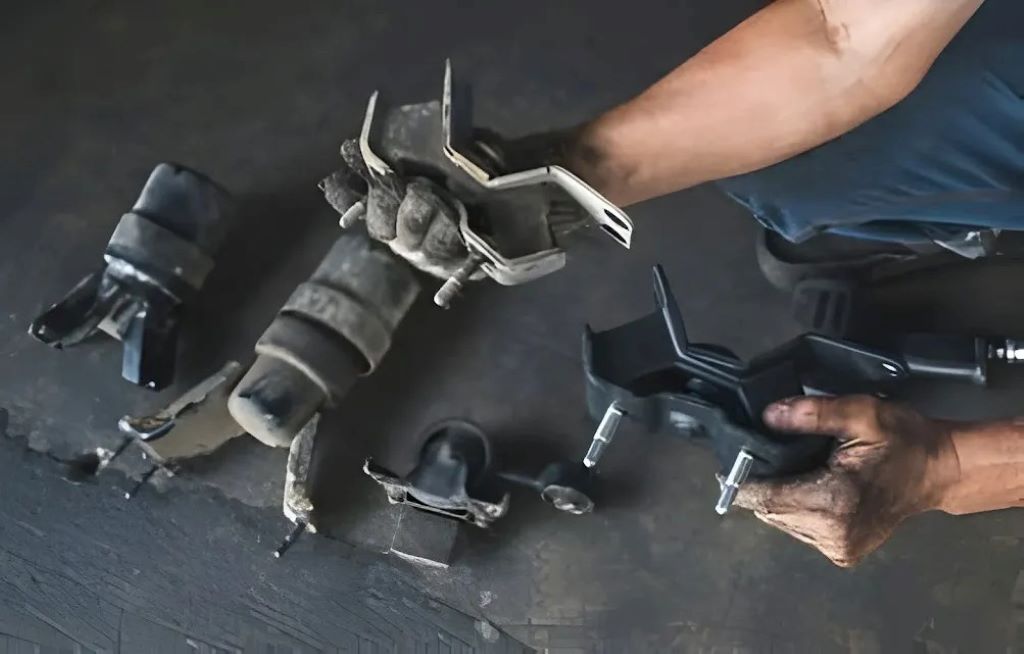
Neglecting worn engine mounts can lead to:
- Increased Repair Costs: Damage to nearby components, such as exhaust pipes or the transmission system.
- Reduced Fuel Efficiency: Misaligned engines may require more energy to function.
- Safety Hazards: A severely worn mount could lead to engine dislodgement, posing serious risks.
Solutions to Address Worn Engine Mounts
Inspection and Maintenance
Regular vehicle inspections can help identify worn mounts before they cause significant issues. It’s advisable to include engine mount checks during routine servicing.
Replacing Worn Mounts
Replacing worn mounts promptly is crucial. OEM or high-quality aftermarket mounts are recommended to ensure durability and performance.
Using Advanced Mount Designs
Modern engine mounts, such as hydraulic mounts or electronically controlled mounts, offer enhanced NVH management compared to traditional designs.
The Role of Engine Mounts in Modern NVH Control
With advancements in vehicle technology, engine mounts are now integral to NVH optimization. Some vehicles use active engine mounts, which adjust stiffness dynamically to counteract vibrations.
Smart NVH Solutions
Automakers increasingly rely on active noise cancellation and advanced materials to complement the role of engine mounts in managing NVH.
Comparison of Truck Engines: Exploring Power, Efficiency, and Performance
FAQs
What happens if I ignore worn engine mounts?
Ignoring worn engine mounts can lead to increased NVH levels, damage to adjacent components, and higher repair costs.
How often should engine mounts be inspected?
It’s recommended to inspect engine mounts every 50,000 to 70,000 miles or during routine vehicle maintenance.
Can worn engine mounts affect fuel efficiency?
Yes, misaligned engines caused by worn mounts can reduce fuel efficiency due to increased energy demands.
Are hydraulic engine mounts better than traditional mounts?
Hydraulic mounts offer superior vibration dampening and are especially beneficial for high-performance vehicles.
How can I reduce NVH in my vehicle?
Regular maintenance, prompt replacement of worn engine mounts, and using modern NVH technologies can significantly reduce noise, vibration, and harshness.
You Might Enjoy: Finding Used Parts: Your Car Junk yard Guide to Saving Money
Conclusion
Worn engine mounts may seem like a minor issue, but their impact on NVH and overall vehicle performance is significant. By addressing this problem early through regular maintenance and quality replacements, drivers can ensure a smoother, quieter, and safer driving experience.