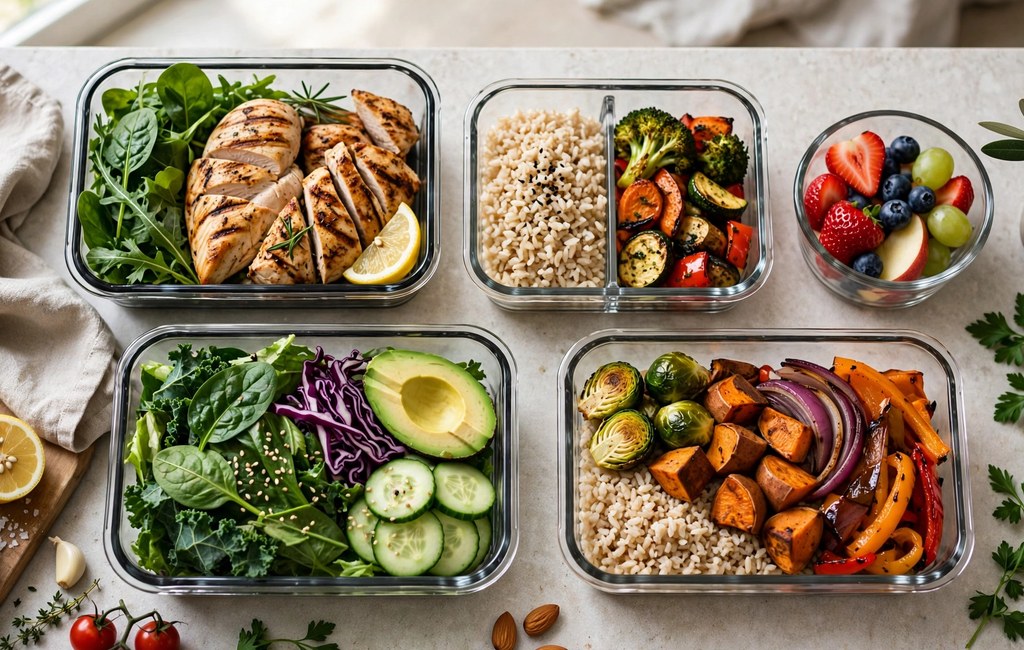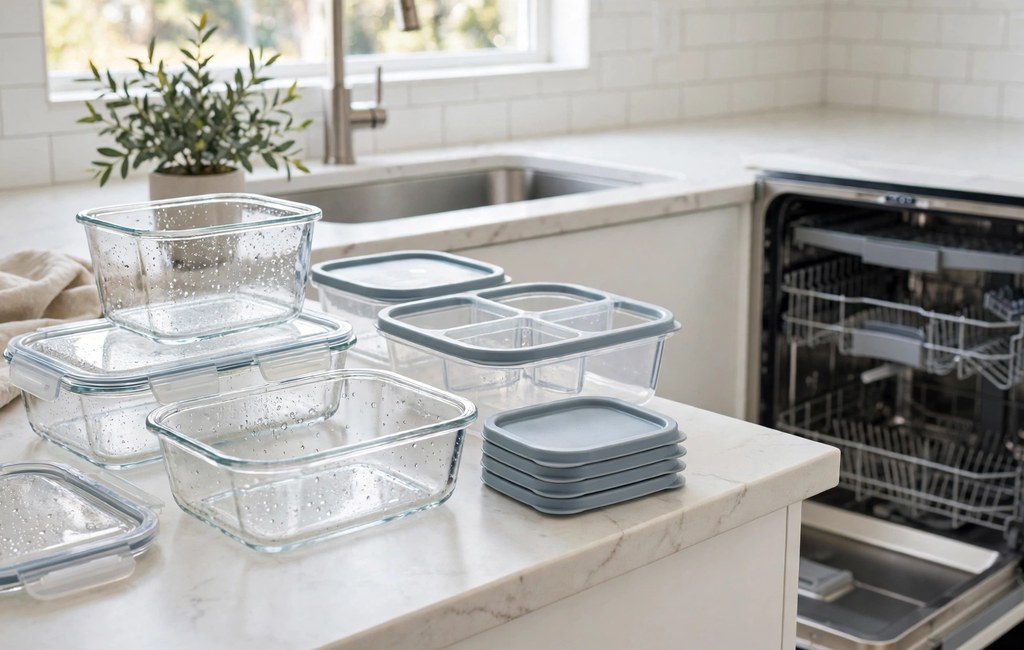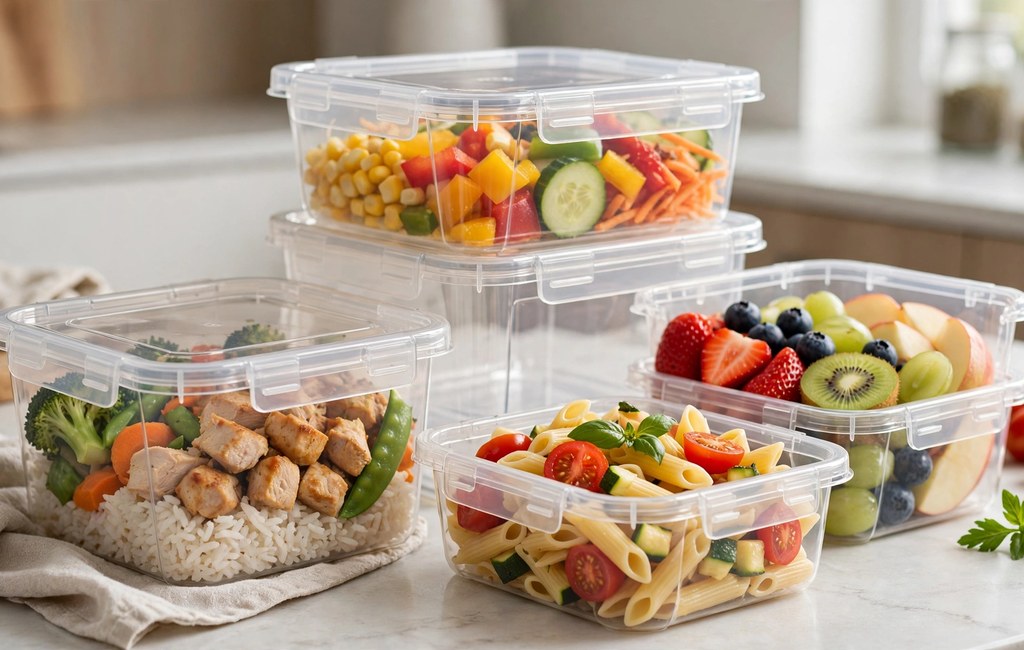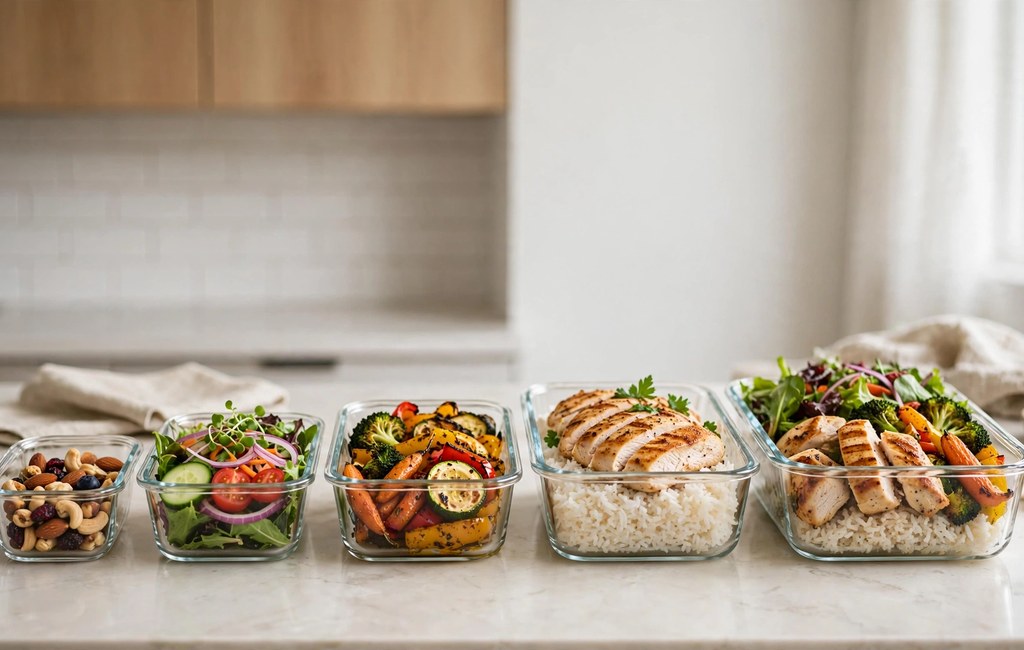
The right meal prep container size makes single meals easier to pack, store, and reheat. Smaller snacks fit well in 8 to 16 ounce containers. Larger family batches need 48 ounces or more instead.
Your portion size, food type, and daily meal count shape this choice. For example, a grain bowl needs more room than a small snack portion. Similarly, soups need headspace, while salads need extra width for tossing. Therefore, you should match container volume to each meal type first.
This guide explains small, medium, and large sizes in practical terms. Also, it shows how fridge space and meal counts affect your set. Finally, you will learn when single or divided containers work best.
Start With Your Typical Meal Prep Container Size
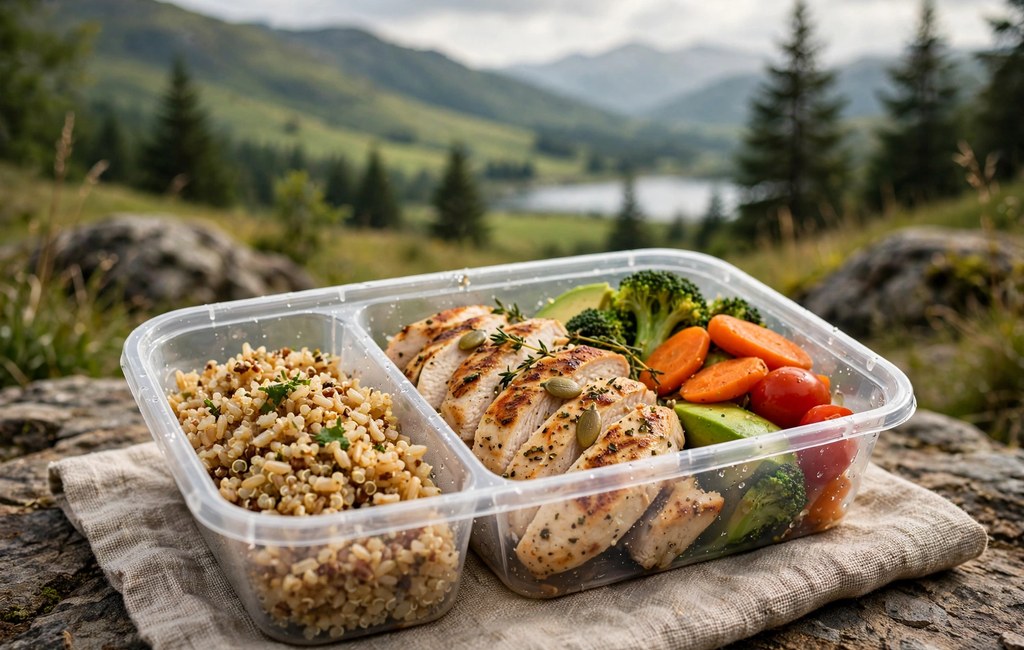
First, measure one typical lunch before you choose any container size. Next, compare that meal with the full guide to best containers for meal prep for broader context. Then, pick the smallest container that still holds that meal comfortably.
A standard lunch often combines protein, grains, and vegetables together. For example, chicken, rice, and broccoli fill about four cups together. In contrast, a light breakfast may fill only two or three cups.
Also, consider your appetite on busy workdays versus quiet weekends. Active days often call for larger portions and slightly bigger containers. However, oversized containers encourage larger servings and waste fridge space.
Pack containers upright in a lunch bag for safer transport daily. Add a small ice pack when you carry perishable meals long distances. Also, keep hot and cold foods in separate bags when possible. Above all, meal prep container size should match your appetite.
Small, Medium, and Large Sizes in Practical Terms
Small containers hold roughly one to two cups of food. Use them for snacks, dips, sauces, cut fruit, and small sides. For example, an 8 ounce cup suits dressing, while 16 ounces suits yogurt.
Medium containers hold roughly three to four cups of food. Most adults use this range for lunch, dinner, and grain bowls. In addition, 32 ounces equals four cups, so portions stay easy to visualize.
- Small size: Holds snacks, dips, and single sides neatly.
- Medium size: Fits complete lunches, grain bowls, and hearty dinners.
- Large size: Stores family batches, casseroles, and bulk leftovers easily.
Large containers hold roughly six to eight cups of food. Use them for batch cooking, family portions, and shared side dishes. However, large containers waste space when you pack only one small meal. Glass and plastic both work when lids seal tightly and stack well.
Match Meal Prep Container Size to Food Type
Grains and Proteins
Grains expand during cooking, so plan for extra room after reheating. Explore meal prep containers for portion control alongside your usual protein servings and portion goals. For example, cooked rice, quinoa, chicken, and tofu each pack differently.
Proteins need less volume than grains in most balanced meals. A palm sized protein portion plus grains fills a medium container well. Therefore, start with a medium container for most protein grain combinations.
Cook grains in batches, then divide them into equal daily portions. Store sauces separately to keep grains from turning soggy overnight. Similarly, store crisp vegetables apart from warm proteins until serving.
Salads, Snacks, and Soups
Salads need wide, shallow containers for easy tossing and even dressing. Keep dressing separate until serving time to protect crisp greens. Similarly, snacks stay fresh longer in small, tightly sealed containers.
Soups and stews need taller containers with generous headspace for expansion. Leave about one inch at the top when you freeze liquid meals. Also, shallow containers cool hot food faster and more evenly. In short, meal prep container size shapes every packed lunch.
Plan Meal Prep Container Sizes for Daily Meals
Count your daily meals before you decide how many containers you need. For example, five lunches need five medium containers for one workweek. In addition, breakfasts and snacks add small containers to that weekly total.
Measure your fridge shelf height and depth before you buy containers. Stackable containers save vertical space and keep weekly meals visible. Meanwhile, matching shapes stack more neatly than mixed random shapes. Choose airtight, leakproof lids for soups and sauces during transport.
Refrigerate perishable meals within two hours after cooking them. Keep your refrigerator at 40 degrees Fahrenheit or below always. Use refrigerated leftovers within three to four days for safety.
Freeze extra meals promptly when you cannot eat them within four days. Keep your freezer at zero degrees Fahrenheit or below for best quality. Reheat leftovers to 165 degrees Fahrenheit before you serve them. Label each container with its contents and storage date clearly.
Freeze meals flat in stackable containers for easier freezer organization. Leave expansion room at the top for soups and liquid dishes. Thaw frozen meals in the refrigerator overnight before reheating them. For daily routines, meal prep container size affects fridge space too.
Single or Multi-Compartment Meal Prep Container Sizes
Single containers suit mixed meals like grain bowls, curries, and pasta. When you want separation, compare meal prep containers with compartments with your usual meal combinations. Divided sections keep sauces away from crisp foods until serving time.
Multi-compartment containers help you control portions without measuring tools. For example, one large section holds protein while smaller sections hold sides. However, fixed dividers limit flexibility for bulky or oddly shaped foods.
Choose single containers for soups, stews, and one pot meals. Pick divided containers for lunches with wet and dry components together. Also, check lid seals carefully, especially for liquid sections during transport.
Frequently Asked Questions
What size container is best for meal prep lunches?
Most adults find 24 to 32 ounces ideal for a complete lunch portion.
How many ounces do I need for meal prep?
Snacks need 8 to 16 ounces, while full meals need 32 ounces.
What size container should I use for soup meal prep?
Use a tall 24 to 32 ounce container with headspace for soups.
Are compartment containers better for meal prep?
Divided containers suit varied lunches, while single containers suit mixed dishes.
How long can meal prep stay in the fridge?
Use refrigerated meal prep within three to four days for safety.
Conclusion
Start with medium containers, then add small and large sizes gradually. Match each size to your meals, food types, and storage space. Finally, test one full week before you expand your container set.
Start today by measuring one lunch and choosing its ideal container size. Overall, meal prep container size deserves a quick test first.