

Creating an inviting and functional outdoor living space in Colorado requires a unique approach. The state’s diverse climate and stunning natural surroundings make it both a challenge and an opportunity. From the Rockies’ crisp mountain air to the arid plains, designing the perfect outdoor living space in Colorado demands strategic planning and smart choices. Understanding the weather, terrain, and lifestyle preferences ensures your space will be comfortable, stylish, and practical throughout the year.
Understanding Colorado’s Climate and Its Impact
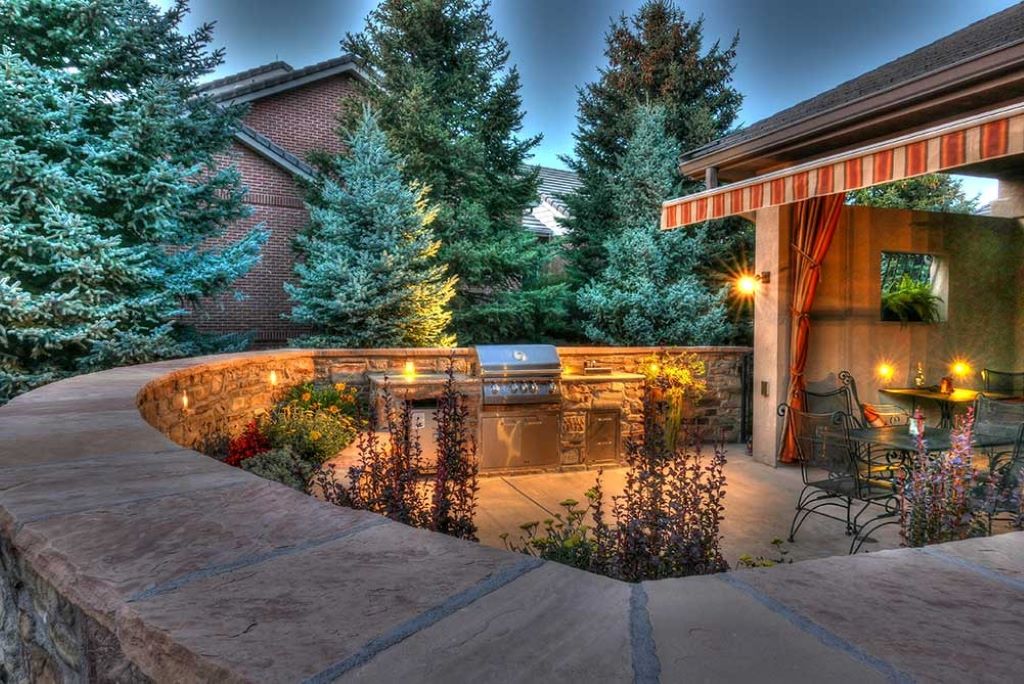
Colorado’s climate varies drastically depending on the region and elevation. According to the National Oceanic and Atmospheric Administration (NOAA), the state experiences four distinct seasons, with snowy winters and warm, dry summers. This variation necessitates durable, weather-resistant materials. For instance, selecting furniture made of teak or wrought iron ensures longevity despite snow or intense sun exposure. Additionally, incorporating retractable awnings or pergolas offers shade in summer and protection during unexpected rain or snow.
Another critical factor is the altitude’s effect on UV exposure. With higher elevations, UV rays become more intense, increasing the risk of sun damage. Therefore, designing the perfect outdoor living space in Colorado must prioritize sun protection. Shade sails, umbrellas, or strategically planted trees can effectively shield outdoor areas. According to the Environmental Protection Agency (EPA), these measures reduce UV exposure by up to 50%, safeguarding both skin and furniture.
Maximizing Space With Colorado’s Scenic Backdrops
Colorado boasts some of the most breathtaking views in the U.S., ranging from the Rocky Mountains to expansive plains. When designing the perfect outdoor living space in Colorado, leveraging these views adds instant value. Outdoor seating areas facing mountain vistas or wide-open spaces create a serene ambiance. For example, homes in Aspen often feature multi-level decks that embrace panoramic landscapes, blending indoor comfort with outdoor beauty.
Moreover, incorporating natural stone, native plants, and rustic wood elements ties the design to Colorado’s rugged environment. This approach not only enhances aesthetics but also promotes sustainability by using materials suited to local conditions. Landscape architects from the Colorado Chapter of the American Society of Landscape Architects emphasize native plantings reduce water use by 30-50%, a crucial consideration in this semi-arid state.
Practical Elements: Heating and Lighting
Because Colorado’s evenings can turn chilly even in summer, adding heat sources is vital. Fire pits, outdoor fireplaces, or propane heaters extend usability into cooler months, making the space cozy and inviting. Many homeowners report increased outdoor living time by up to 40% after installing these features, proving their value.
Lighting also plays a significant role in functionality and ambiance. Low-voltage LED lighting with warm hues highlights pathways, seating, and garden features without overwhelming the space. Solar-powered lights offer an eco-friendly option, benefiting both the environment and utility bills. Well-planned lighting transforms a daytime retreat into a magical evening haven, perfect for entertaining or quiet relaxation.
Furniture and Layout Choices Tailored to Lifestyle
Colorado residents lead active lifestyles, from hiking to backyard barbecues. Therefore, designing the perfect outdoor living space in Colorado means creating a layout that accommodates diverse activities. Modular furniture offers flexibility for both intimate gatherings and larger parties. Weather-resistant cushions with removable, washable covers maintain comfort and cleanliness.
For families, integrating play zones or fire-safe areas allows safe enjoyment. Pet owners should consider durable, easy-to-clean surfaces such as composite decking or stamped concrete. Balancing comfort and durability ensures your investment lasts and meets your everyday needs.
Water Conservation: A Must in Colorado
Given Colorado’s semi-arid climate, water conservation is essential. Xeriscaping, which uses drought-tolerant plants and minimal irrigation, aligns perfectly with sustainable outdoor design. Native grasses, sagebrush, and junipers thrive with less water, cutting maintenance costs and environmental impact.
Irrigation systems with smart controllers adjust watering schedules based on weather, further preventing waste. According to Colorado State University Extension, such systems can reduce water use by up to 40%. Therefore, smart irrigation complements the aesthetic appeal of your outdoor space while respecting Colorado’s precious water resources.
Integrating Technology for Convenience
Modern outdoor living spaces benefit greatly from smart technology integration. Automated lighting, sound systems, and climate controls create a seamless experience. Homeowners can program lighting scenes or adjust heaters remotely, enhancing comfort and efficiency.
Additionally, installing outdoor kitchens or built-in grills tailored for Colorado’s varying temperatures allows year-round entertaining. Brands like Lynx and Kalamazoo design outdoor appliances that withstand harsh weather, making them perfect for Colorado’s conditions.
Example: Denver’s Urban Outdoor Spaces
In urban areas like Denver, outdoor living spaces often maximize limited square footage. Vertical gardens, rooftop patios, and compact fire pits create cozy yet functional environments. Designers blend contemporary and rustic styles, reflecting Colorado’s modern vibe and natural roots. This balance appeals to millennials and retirees alike, demonstrating versatility in design approaches.
Frequently Asked Questions
- What materials work best for Colorado’s outdoor furniture?
Teak, wrought iron, and powder-coated aluminum resist harsh weather and UV damage. - How can I protect my outdoor space from Colorado’s intense sun?
Use shade structures like pergolas, umbrellas, or plant native trees to provide natural cover. - What’s the best way to extend outdoor use into colder months?
Add fire pits, propane heaters, or outdoor fireplaces for warmth and ambiance. - Are native plants necessary for outdoor design in Colorado?
They reduce water usage and maintenance while complementing the natural landscape. - How should I approach lighting for my outdoor area?
Opt for warm, low-voltage LED or solar-powered lights to enhance safety and mood. - Can I incorporate technology into my outdoor living space?
Yes, automated lighting, sound systems, and climate controls increase convenience. - What’s a cost-effective way to maintain an outdoor kitchen in Colorado?
Choose appliances designed for weather resistance and clean them regularly to ensure longevity.
Final Thought
Designing the perfect outdoor living space in Colorado is a rewarding endeavor that merges natural beauty with functional design. By understanding the state’s unique climate, embracing sustainability, and investing in durable materials, homeowners can create inviting retreats that thrive year-round. Whether nestled in mountain towns or urban centers, a well-crafted outdoor space enriches life and maximizes Colorado’s exceptional environment.
Their insights can guide you toward a stunning and sustainable outdoor living space tailored to Colorado’s distinctive lifestyle.
Read More:
How To Pack Your Make-up Brushes For Travel
Landscapes to Visit on Your Travel to Canada: A Nature Lover’s Paradise


