Hemming a dress isn’t just about making it shorter; it’s about achieving a flattering silhouette and a look that suits your style. Whether you’re dealing with a vintage find, a too-long maxi, or simply want a fresh take on an old favorite, choosing the right length is crucial. Let’s explore the factors that influence this decision and the steps to take to ensure your dress alteration is a success.
1. Consider Your Body Shape and Proportions
Your body shape plays a significant role in determining what dress length will look best on you. Here are some general guidelines:
- Petite: Shorter hemlines, such as above the knee or mid-thigh, can elongate your legs and create the illusion of height.
- Tall: You can pull off a wider range of lengths, from mini to maxi. Experiment to see what you prefer.
- Pear-shaped: A hemline that hits just below the knee or mid-calf can balance out wider hips.
- Hourglass: Accentuate your curves with a knee-length or slightly above-the-knee hemline.
- Apple-shaped: A hemline that falls at the slimmest part of your legs, often just above or below the knee, can be flattering.
2. Think About the Dress’s Style and Fabric
The dress’s style and fabric also play a role in determining the ideal length.
- Formal dresses: Floor-length gowns are classic for formal events, but a high-low hemline can add a modern touch.
- Casual dresses: Knee-length or slightly above the knee is often a versatile choice for casual wear.
- Maxi dresses: Consider your height and the occasion when choosing the length of a maxi dress. Taller individuals can often pull off longer lengths, while petite frames might prefer a hemline that hits just above the ankle.
- Flowy fabrics: Lightweight fabrics like chiffon or silk might look best with a longer hemline, while structured fabrics can handle a shorter length.
-
The Occasion Matters
Where you plan to wear the dress should also influence your decision.
- Work: A professional setting usually calls for a more conservative hemline, such as knee-length or slightly below.
- Evening events: You can experiment with shorter hemlines for cocktail parties or a night out.
- Casual outings: The length is more flexible for casual wear, so choose what you feel most comfortable in.
4. Personal Preference and Comfort
Ultimately, the most important factor is how you feel in the dress. If you’re not comfortable with a short hemline, don’t force it. Choose a length that makes you feel confident and beautiful. If you want to explore options for making a dress shorter without sewing, you might want to check out the Dress24h review on how to make a dress shorter without sewing.
Related: Vintage Coquette Clothing
Steps to Take Before Cutting
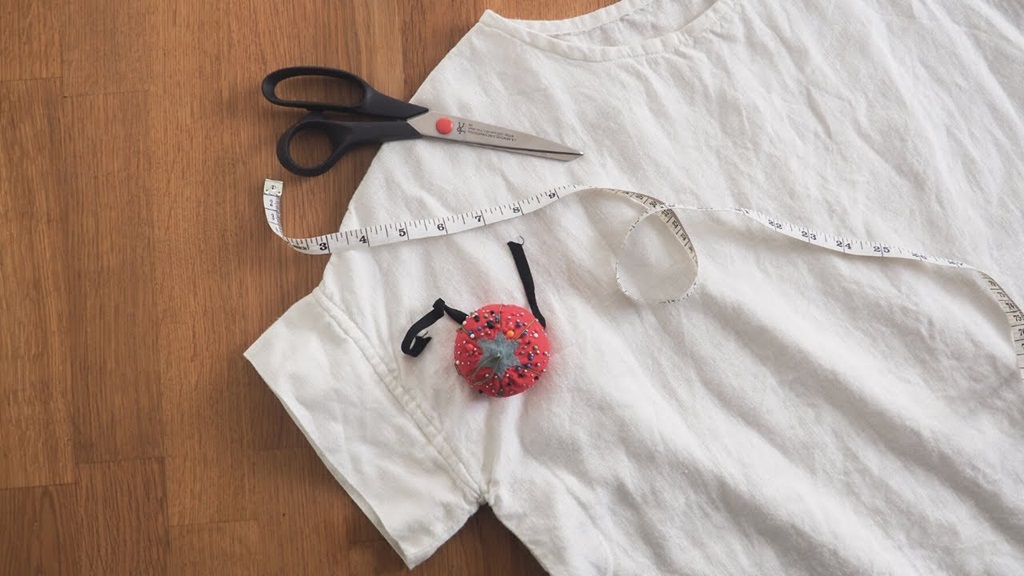
- Try on the dress: Put on the dress with the shoes you plan to wear with it. This will give you a better idea of how the hemline will fall.
- Mark the desired length: Use pins or chalk to mark the new hemline all the way around. Have a friend help you if needed.
- Measure twice, cut once: Double-check your measurements before making any cuts. It’s better to be safe than sorry!
- Hemming options: You can sew a new hem yourself or take the dress to a tailor for a professional finish.
Extra Tips:
- Uneven hems: If you’re dealing with an uneven hemline, it’s best to even it out before shortening the dress.
- High-low hemlines: This trendy style can be a fun way to add visual interest to a dress.
- Vintage dresses: Be mindful of the original style of a vintage dress when altering the length.
The Final Word
Hemming a dress is a great way to customize it to your liking and make it truly yours. By considering your body shape, the dress’s style, the occasion, and your personal preference, you can choose the perfect length and create a garment you’ll love wearing for years to come.