Why Industrial Caster Selection Matters
Compliance with safety regulations is essential, as poor caster wheels can lead to penalties or safety breaches. Choosing the right caster from the start protects workers and assets. Even in less specialized cases, proper caster selection extends operational life and cuts costs.
Choosing the right caster wheels in industrial settings is essential for safety, efficiency, and equipment longevity. Proper casters protect floors, minimize injuries, and prevent wear and accidents. Different needs—like temperature, mobility, and floor types—make selecting suitable casters crucial. For environments where sanitation, mobility, and durability are critical, such as hospitals and labs, medical casters provide specialized solutions for sensitive and demanding applications.
Popular Caster Wheel Materials and Their Benefits
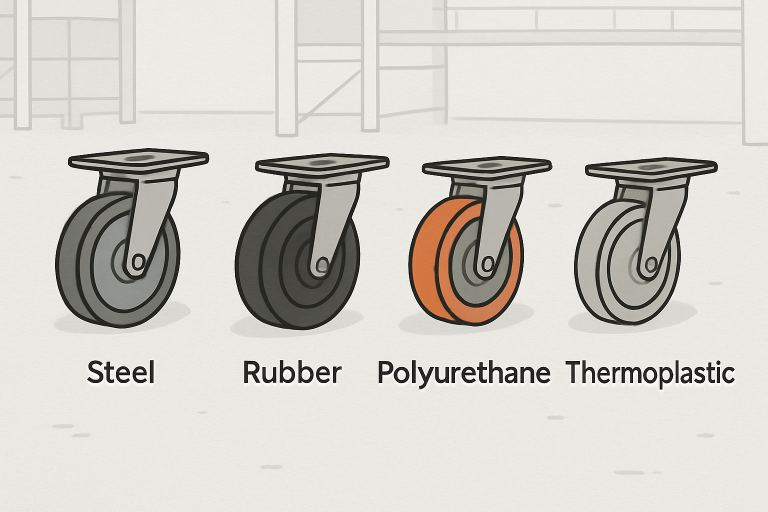
Industrial caster wheels are made from various materials to suit different needs. Steel casters are ideal for heavy-duty settings like construction and warehousing, offering high load capacity but can damage floors. Polyurethane wheels provide quieter, floor-safe movement, suitable for manufacturing and logistics. Rubber casters absorb vibration and reduce noise, great for factories with sensitive equipment. Thermoplastic casters are used in sterile or chemical environments like pharmaceutical production or clean rooms due to their chemical resistance and ease of cleaning. The material choice impacts functionality and compliance, influencing daily operations.
Factors to Consider Before You Choose
Consider load capacity, floor surface, mobility requirements, and environmental factors when choosing casters. Account for surges or uneven weight distribution to avoid unexpected failures. Choose soft wheels for hard surfaces and tougher ones for rough terrain. Swiveling casters offer greater maneuverability, while fixed casters provide stability. Choose materials to withstand exposure to water, chemicals, or extreme temperatures to avoid premature wear and damage. Balancing operational needs with long-term maintenance and safety concerns is crucial, as neglecting these factors can shorten equipment life, compromise safety, and increase replacement costs.
Common Mistakes When Selecting Caster Wheels
It’s easy to underestimate factors behind optimal caster performance. A common mistake is tuning only by load capacity, ignoring travel frequency, speed, or surface changes. This leads to wheels that fail early or don’t deliver benefits. Overlooking the total height of the caster assembly can affect ergonomics and safety. Using the wrong caster type—swivel or rigid—for maneuvering needs can make workflows inefficient or increase worker effort.
Tips for Extending Caster Wheel Life
Regular inspections are crucial for preventing major breakdowns in caster wheels. Early intervention is key to avoiding major issues. Manufacturers recommend lubricating bearings and swivel joints to ensure smooth operation. Replacing damaged wheels and hardware is essential to avoid workplace injuries. Staff should know proper loading methods and surface suitability to prevent caster deterioration. Investing in training and clear protocols for wheel maintenance can reduce downtime and equipment costs.
Recent Innovations in the Caster Industry
The caster industry has adopted eco-friendly materials like recycled rubber and biopolymer composites to meet sustainability goals while maintaining high performance. These green options reduce environmental impact without sacrificing load capacity or durability. Ergonomic engineering is transforming caster design, requiring less force to push or pull, which lowers worker strain and injury risk, benefiting productivity and well-being. Additionally, smart casters with sensors and digital tracking are emerging in warehousing, providing real-time data for maintenance and analytics.
Final Thoughts
Selecting the right caster wheels for industrial uses isn’t just about checking a box for load capacity—it’s a multidimensional decision that impacts every aspect of your operation. With thoughtful consideration of material, environment, mobility, and long-term maintenance, you set the stage for productivity and safety gains. Remember, your investment in quality casters is an investment in people, process, and performance for the long haul.