Gas stoves are a staple in many households, offering quick heating and precision cooking. However, detecting a gas smell can be unsettling, especially when it only occurs after turning on the oven. Is this a sign of danger, or is it a common occurrence? Understanding the reasons behind this issue is vital for both safety and peace of mind.
Before delving into the causes, it’s crucial to acknowledge the value of expert advice and reliable appliances. To ensure your appliances function optimally, explore Firstgradeappliances for trusted guidance and quality equipment.
Understanding Gas Odors in Your Oven

If you notice a gas smell when turning on your oven, it could indicate a range of issues, from normal appliance behavior to potential safety hazards. Gas appliances are designed with safety mechanisms to prevent leaks, but sometimes maintenance, wear and tear, or user error can contribute to unusual odors.
The Role of Stove Top Temperature in Detecting Odors
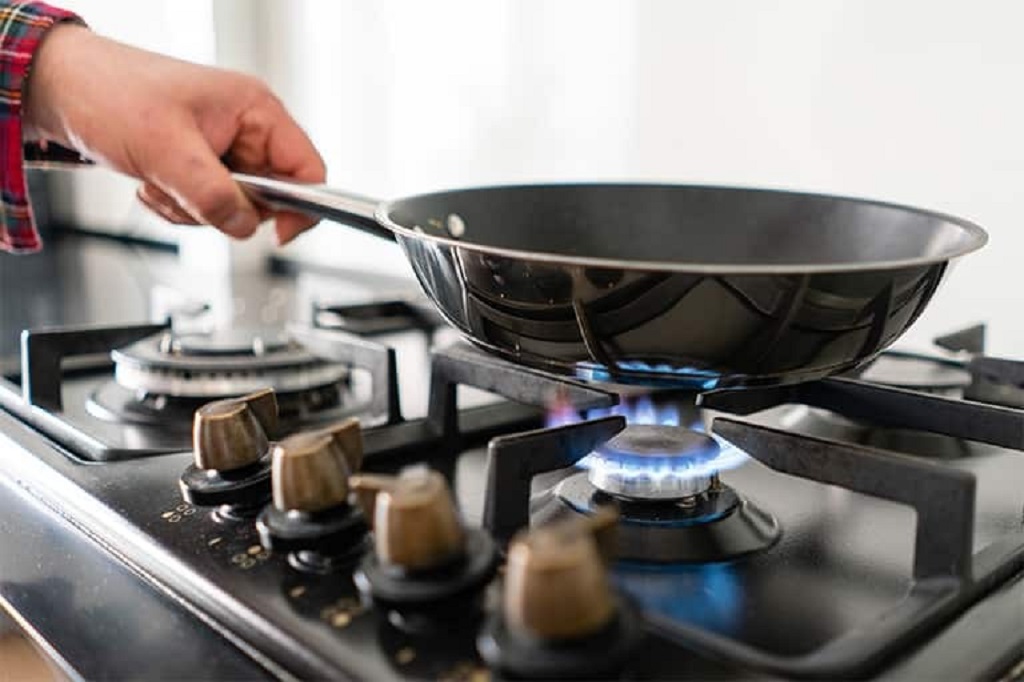
Gas ovens rely on burners to ignite gas and generate heat. During this process, it’s possible to smell a faint odor as residual gas dissipates, especially when the burners haven’t ignited immediately. Maintaining your oven’s cleanliness and ensuring proper functionality can help minimize this.
Understanding the relationship between your oven’s burners and how they operate at varying intensities is vital. For example, knowing how to adjust the stove top temperature efficiently can prevent prolonged exposure to unburned gas, reducing smells during the ignition phase.
Potential Causes for the Gas Smell
Incomplete Combustion
Gas appliances are designed to burn gas cleanly. However, if the burners or ignition system are dirty or faulty, the combustion process may be incomplete, leading to a lingering smell.
Delayed Ignition
Sometimes, the oven’s igniter may take longer than expected to light the gas. During this delay, gas accumulates briefly, creating a smell that dissipates once the burners are fully lit.
Pilot Light Issues
Older gas ovens with pilot lights can sometimes have inconsistent flames. If the pilot light is weak or malfunctioning, it might fail to ignite the gas immediately, causing odors.
Loose Connections
The smell might stem from loose or worn-out connections in the gas line. Regular maintenance can identify and resolve these issues before they become hazardous.
Ventilation Problems
Improper ventilation can trap gas odors inside your kitchen, making them more noticeable. Ensuring adequate airflow around your appliance is essential.
Is the Gas Smell Dangerous?
While a mild gas odor during ignition is generally normal, a persistent or strong smell could signal a gas leak. Gas leaks are dangerous and should be addressed immediately to prevent fire or health risks.
Signs of a potential leak include:
- Smell of gas even when the appliance is off.
- Hissing sounds near the gas line or connections.
- Unusual behavior in the appliance, such as inconsistent flames.
Read More Also: Seeing is Believing: Study Tips for Visual Learners
Steps to Address the Gas Smell
- Inspect Your Oven
Regularly clean the burners, igniter, and surrounding areas to ensure optimal performance. - Check the Connections
Tighten loose connections and replace worn-out parts as needed. - Call a Professional
If you suspect a gas leak, evacuate the area and contact a licensed technician or your gas provider for inspection. - Improve Ventilation
Ensure proper airflow in your kitchen to prevent odors from lingering. - Upgrade Your Appliances
Older ovens may lack modern safety features. Consider upgrading to a newer model for enhanced reliability.
FAQs
Why does my gas stove smell only during preheating?
During preheating, gas accumulates momentarily before the burners ignite. If the igniter is slow, this smell may be more pronounced.
Is it normal to smell gas briefly when the oven starts?
Yes, a faint smell is normal as the oven ignites. However, if the smell persists, it could indicate a problem.
What should I do if I smell gas when the oven is off?
Turn off the gas supply, open windows for ventilation, and call a professional immediately.
Can poor ventilation make the gas smell worse?
Yes, inadequate airflow can trap gas odors, making them more noticeable in your kitchen.
How often should I service my gas stove and oven?
Annual maintenance is recommended to ensure optimal performance and safety.
Should I replace my oven if the smell persists despite cleaning?
Persistent smells might indicate an underlying issue. Consider professional evaluation or replacing older appliances with safer models.
Conclusion
A gas smell when using your oven can be concerning, but understanding the underlying causes and addressing them promptly can ensure a safe and functional kitchen. Regular maintenance, proper usage, and professional guidance are your best defenses against potential hazards.