
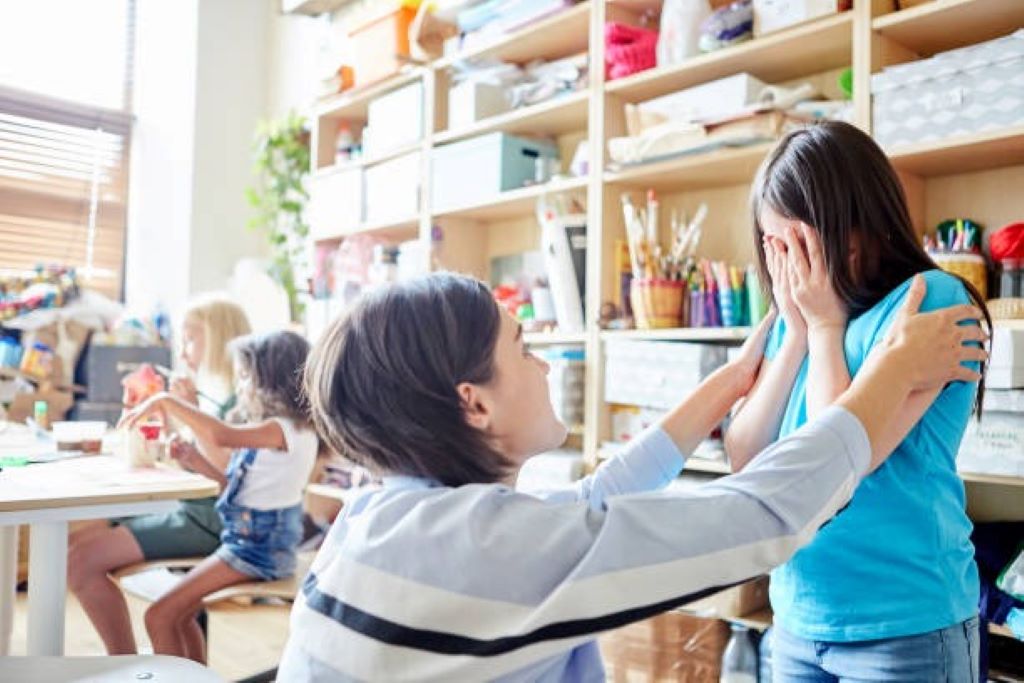
School anxiety affects millions of children worldwide, creating significant challenges for both students and educators. When children experience anxiety in educational settings, it can impact their learning, social development, and overall well-being. Organizations like Confident Children recognize that addressing school-based anxiety requires a collaborative approach between teachers, parents, and mental health professionals.
Understanding how to identify and support anxious children in school environments is crucial for creating positive learning experiences. Anxiety can manifest differently in each child, ranging from physical symptoms like headaches and stomachaches to behavioral changes such as avoidance or withdrawal. Effective tips for working with children who experience anxiety involve creating supportive environments that promote emotional safety and academic success.
The impact of untreated school anxiety extends beyond the classroom, affecting children’s self-esteem, peer relationships, and family dynamics. Therefore, implementing comprehensive strategies to support anxious students becomes essential for their long-term development and educational achievement.
Recognizing Signs of School Anxiety in Children
Early identification of anxiety symptoms helps educators and parents intervene before problems escalate. Children with school anxiety may exhibit various warning signs that require careful observation and understanding.
Physical symptoms often appear first and can include frequent complaints of headaches, stomachaches, or feeling sick before school. Many anxious children experience changes in sleep patterns, appetite fluctuations, or increased fatigue. These manifestations sometimes get dismissed as attention-seeking behavior, but they represent genuine distress signals.
Behavioral indicators provide additional clues about a child’s emotional state. Some children become clingy or refuse to separate from parents during drop-off times. Others may display perfectionist tendencies, become overly concerned about grades, or avoid participating in class activities. Withdrawal from social interactions and reluctance to speak in group settings also indicate potential anxiety issues.
Academic performance changes can signal underlying anxiety problems. Previously successful students might experience declining grades, difficulty concentrating, or increased procrastination. Conversely, some anxious children become overachievers, placing excessive pressure on themselves to meet unrealistic standards.
Creating a Supportive Classroom Environment
Establishing a welcoming and predictable classroom atmosphere helps reduce anxiety triggers for sensitive students. Environmental modifications and teaching strategies can significantly impact how comfortable children feel in school settings.
Classroom layout and organization play important roles in anxiety management. Creating quiet spaces where children can retreat when feeling overwhelmed provides valuable coping opportunities. Clear visual schedules and predictable routines help anxious students feel more secure about daily expectations and transitions.
Communication strategies should emphasize encouragement and positive reinforcement rather than criticism or punishment. Using calm, reassuring tones when addressing anxious students helps prevent escalation of fearful responses. Providing multiple ways for children to express themselves accommodates different comfort levels and communication styles.
Building trusting relationships with students creates foundations for ongoing support. Taking time to learn about each child’s interests, strengths, and challenges demonstrates genuine care and investment in their success. Regular check-ins and private conversations allow anxious students to share concerns without fear of judgment or embarrassment.
Practical Strategies for Teachers
Implementing specific techniques in daily teaching practices can make substantial differences for anxious students. These tips for working with children focus on creating inclusive learning experiences that accommodate various emotional needs.
Preparation and predictability reduce anxiety by helping children know what to expect. Providing advance notice about schedule changes, upcoming tests, or special events allows anxious students time to mentally prepare. Offering detailed explanations about new activities or expectations prevents surprises that might trigger anxiety responses.
Flexible participation options acknowledge that anxious children may need alternative ways to engage with learning materials. Allowing written responses instead of oral presentations, providing extra time for assignments, or offering alternative demonstration methods ensures all students can succeed despite their anxiety levels.
Teaching coping skills directly benefits anxious students while supporting overall classroom management. Simple breathing exercises, mindfulness techniques, or movement breaks help all children regulate their emotions and maintain focus throughout the day.
Collaboration Between Home and School
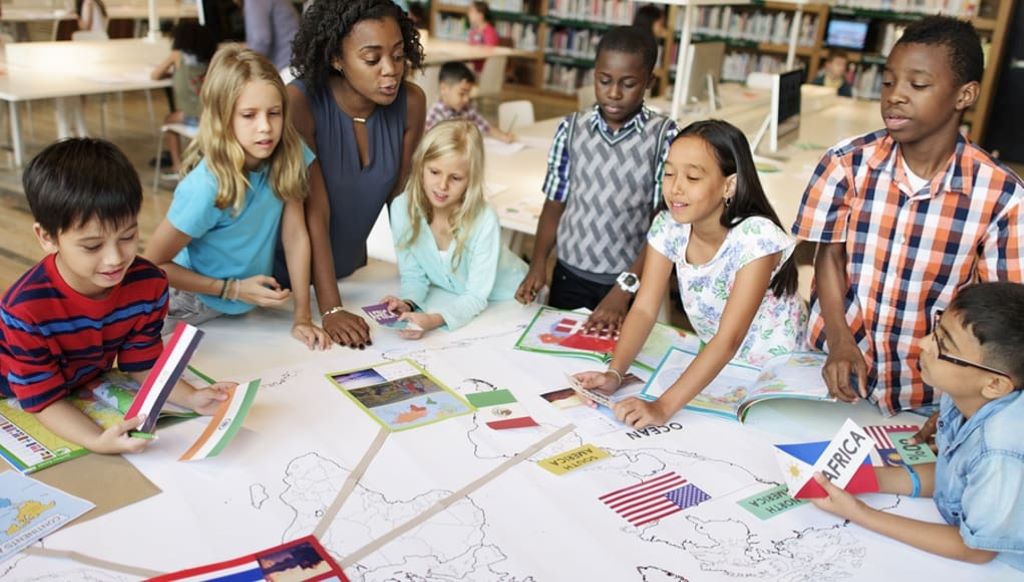
Effective support for anxious children requires consistent communication and coordination between families and educational teams. Parents and teachers working together can develop comprehensive approaches that address anxiety both at home and school.
Regular communication helps identify patterns and triggers that affect a child’s anxiety levels. Sharing observations about what strategies work well and which situations cause distress enables more targeted interventions. Email updates, brief phone calls, or communication apps facilitate ongoing dialogue between home and school.
Consistency in approaches and expectations reduces confusion and anxiety for children who thrive on predictability. When parents and teachers use similar language, consequences, and support strategies, children experience less stress transitioning between environments.
Professional support may become necessary when anxiety significantly impacts a child’s daily functioning. School counselors, psychologists, or outside mental health professionals can provide specialized interventions and therapeutic support. Early intervention often prevents more serious mental health challenges from developing later.
Building Emotional Regulation Skills
Teaching children how to recognize and manage their emotions empowers them to cope with anxiety independently. These skills benefit not only anxious students but all children as they navigate social and academic challenges.
Emotion identification activities help children develop vocabulary for describing their feelings and recognizing physical sensations associated with different emotions. Using feeling charts, emotion wheels, or regular check-ins creates opportunities for emotional awareness development.
Coping strategy instruction provides children with practical tools for managing anxiety when it occurs. Deep breathing exercises, progressive muscle relaxation, positive self-talk, or grounding techniques give students immediate resources for self-regulation.
Problem-solving skills enable children to approach anxiety-provoking situations with confidence and resilience. Teaching step-by-step processes for breaking down overwhelming problems into manageable parts helps anxious students feel more capable and less helpless.
Supporting Social Connections
Peer relationships significantly impact how children experience school, particularly for those struggling with anxiety. Facilitating positive social interactions helps reduce isolation and builds supportive networks.
Structured social activities provide safe opportunities for anxious children to interact with peers without the pressure of unstructured social situations. Group projects, buddy systems, or organized games create frameworks for positive interactions while reducing social anxiety triggers.
Teaching social skills directly benefits children who may struggle with peer interactions due to anxiety. Role-playing exercises, social stories, or explicit instruction about conversation starters help build confidence in social situations.
Addressing bullying and peer conflicts promptly protects vulnerable students from additional stressors that can exacerbate anxiety symptoms. Creating classroom cultures that celebrate differences and promote kindness reduces anxiety triggers for sensitive students.
Long-term Success Strategies
Sustainable support for anxious children requires ongoing commitment and adaptation as children grow and develop. Long-term planning ensures continued success throughout a child’s educational journey.
Regular assessment and adjustment of support strategies accommodate changing needs and developmental stages. What works for a young child may need modification as they progress through elementary, middle, and high school years.
Transition planning helps anxious students navigate changes in teachers, schools, or grade levels with greater confidence. Advance preparation, gradual exposure, and continued support during transition periods reduce anxiety associated with change.
Building resilience and independence gradually prepares anxious children for future challenges while maintaining necessary support systems. Encouraging age-appropriate risk-taking and celebrating progress helps build confidence and coping abilities.
Conclusion
Supporting children with anxiety at school requires comprehensive approaches that address individual needs while creating inclusive learning environments. Recognizing early warning signs, implementing classroom strategies, and fostering collaboration between home and school creates foundations for success. Teaching emotional regulation skills, facilitating social connections, and planning for long-term support ensures anxious children can thrive academically and socially. With proper understanding and consistent implementation of these strategies, educators and families can help anxious children develop resilience and achieve their full potential in school settings.
Frequently Asked Questions
What are the most common signs of school anxiety in children? Physical symptoms like headaches and stomachaches, behavioral changes such as clinginess or withdrawal, declining academic performance, and reluctance to attend school are typical indicators of anxiety in educational settings.
How can teachers modify their teaching style to help anxious students? Teachers can provide predictable routines, offer flexible participation options, use encouraging communication, create quiet spaces for breaks, and implement regular check-ins to support anxious students effectively.
When should parents seek professional help for a child’s school anxiety? Professional intervention becomes necessary when anxiety significantly impacts daily functioning, persists despite supportive interventions, or interferes with academic progress and social relationships.
Can school anxiety affect a child’s academic performance? Yes, anxiety can impact concentration, memory, test performance, and participation in classroom activities, potentially leading to declining grades and reduced educational achievement.
What role do parents play in supporting children with school anxiety? Parents provide crucial support through consistent communication with teachers, reinforcing coping strategies at home, maintaining predictable routines, and advocating for appropriate accommodations when necessary.
Read More:
The Art of Cultivating an Outstanding Internship Experience


