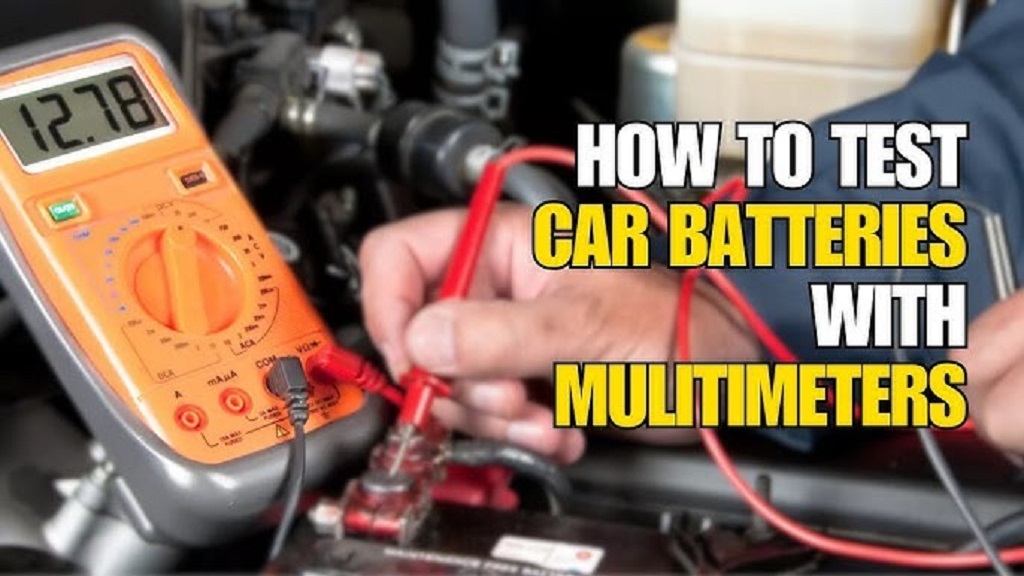
Car battery issues can be one of the most frustrating problems for vehicle owners. Diagnosing the root cause, especially a parasitic drain, is essential for maintaining a reliable car. One of the most effective tools for this job is a multimeter. By learning how to use a multimeter to diagnose car battery drain, you can save time, money, and frustration.
Whether you’re a DIY enthusiast or simply looking to understand your car’s electrical system better, this guide will walk you through the process with professional insights and easy-to-follow steps. If you’re interested in exploring more vehicle-related topics, explore Vehicletradeus for additional tips.
What Causes Car Battery Drain?

Before diagnosing the problem, it’s essential to understand the typical causes of car battery drain. These include:
- Parasitic drains: Accessories or electrical components like interior lights, alarm systems, or even faulty wiring can draw power even when the vehicle is turned off.
- Old batteries: Worn-out batteries may fail to hold a charge, even with minimal usage.
- Charging system issues: A faulty alternator or charging system can fail to replenish the battery.
- Temperature extremes: Cold weather can reduce a battery’s capacity, while extreme heat can cause evaporation of vital fluids.
Understanding these issues allows for a more precise diagnosis with a multimeter.
Essential Tools and Preparations
To diagnose a car battery drain, you’ll need the following:
- Digital Multimeter: Choose a model capable of measuring DC voltage, current, and resistance.
- Basic Car Knowledge: Familiarity with your vehicle’s fuse box and battery terminals is a plus.
- Safety Gear: Gloves and goggles to protect against accidental sparks.
Ensure the car is off, and the keys are removed from the ignition to prevent interference during testing.
Using a Multimeter to Diagnose Car Battery Drain
Step 1: Set Your Multimeter Correctly
Begin by setting the multimeter to measure amperes. Most multimeters have a dedicated 10A (or similar) port for high-current measurements. Ensure the leads are properly connected—red to the “A” port and black to the “COM” port.
Step 2: Disconnect the Negative Terminal
Carefully disconnect the negative battery terminal using a wrench. Attach the multimeter probes in series: the black probe touches the negative battery post, and the red probe contacts the detached negative cable.
Step 3: Measure Current Draw
Observe the multimeter reading. A typical vehicle should show a draw of 50 milliamps or less when everything is turned off. Readings above this threshold indicate a parasitic drain.
Step 4: Locate the Source of the Drain
To pinpoint the source, use the fuse box. Remove and replace each fuse one by one while monitoring the multimeter. When the current drops significantly, the circuit connected to that fuse is the culprit.
For instance, modern vehicles with advanced features like semi-autonomous systems may have increased chances of parasitic drains. Understanding this helps in diagnosing vehicles with more complex systems.
Factors Impacting the Diagnosis
Even with a multimeter, diagnosing a battery drain can be tricky. Here are factors that can influence your results:
- Car Model and Age: Older cars often have simpler electrical systems, making diagnosis easier than newer models.
- Battery Health: A damaged or degraded battery might give inconsistent readings.
- Semi Truck Fuel Economy: While primarily focused on large vehicles, understanding how electrical components affect semi truck fuel economy can offer insights into managing power in any vehicle.
These factors underline the importance of systematic testing with a multimeter.
Common Mistakes to Avoid
Even seasoned DIYers can make errors when diagnosing a car battery drain. Here are a few pitfalls to avoid:
- Incorrect Multimeter Settings: Using the wrong setting can lead to inaccurate readings or even damage the device.
- Skipping the Fuse Box Check: Neglecting this step means missing out on identifying the root cause.
- Ignoring Battery Maintenance: Always check the battery’s condition before diving into parasitic drain diagnostics.
Read More Also: How Does the Twist Rate of Yarn Influence the Strength of a Finished Rope?
By avoiding these mistakes, you’ll have a smoother, more efficient diagnostic process.
When to Seek Professional Help
While diagnosing a car battery drain is straightforward with a multimeter, some situations may require expert intervention.
- Persistent issues despite replacing fuses.
- Electrical problems in hybrid or electric vehicles.
- Concerns with advanced safety or entertainment systems.
Don’t hesitate to consult a professional if you’re uncertain.
FAQs
How do I know if my car has a parasitic drain?
If your car battery frequently dies overnight or after short periods of inactivity, it’s likely due to a parasitic drain.
Can I use an analog multimeter instead of a digital one?
A digital multimeter is more accurate and safer for diagnosing car battery drain. Analog meters are prone to errors.
What is the acceptable current draw when the car is off?
A draw of 50 milliamps or less is typical. Anything above this suggests a potential problem.
Can a faulty alternator cause battery drain?
Yes, a malfunctioning alternator may drain the battery by failing to regulate or recharge properly.
How often should I test my car battery?
It’s advisable to test your car battery every six months or before long trips.
What is the lifespan of a typical car battery?
Most car batteries last 3-5 years, but this depends on usage and maintenance.
Conclusion
Diagnosing a car battery drain with a multimeter is a skill every vehicle owner should consider learning. Not only does it save money on mechanic visits, but it also empowers you to handle minor electrical issues confidently. From setting up the multimeter to pinpointing parasitic drains, the process is manageable with the right tools and knowledge.