Fish tapes are essential tools for electricians and anyone working with electrical wiring. They guide wires through walls, conduits, and other tight spaces, making installations and repairs significantly easier. Two primary types of fish tape dominate the market: steel vs fiberglass fish tape. Each has distinct advantages and disadvantages, making the choice between them a crucial decision for professionals and DIY enthusiasts.
Understanding Fish Tapes: The Basics
Before diving into the comparison, let’s briefly define what a fish tape is and why it’s important. A fish tape is a long, narrow strip of material with a hook or loop on one end. It’s fed through a conduit or wall cavity, and the wire is then attached to the hook. By pulling the fish tape back, the wire follows, making it a streamlined process to run wiring through complex pathways.
Steel Fish Tape: Strength and Durability
Steel fish tapes have been the industry standard for many years due to their remarkable strength and durability. They are typically made from high-carbon steel, making them resistant to bending and breakage.
Pros of Steel Fish Tape:
- Strength: Steel fish tapes excel at pushing through obstacles and pulling heavy wires.
- Durability: They can withstand tough conditions and repeated use without significant wear.
- Cost-effective: Steel fish tapes are often more affordable than fiberglass alternatives.
Cons of Steel Fish Tape:
- Conductivity: Steel is a conductor of electricity, posing a potential hazard if used near live wires.
- Weight: Steel tapes can be heavier and more difficult to maneuver in tight spaces.
- Corrosion: Over time, steel may corrode in damp environments.
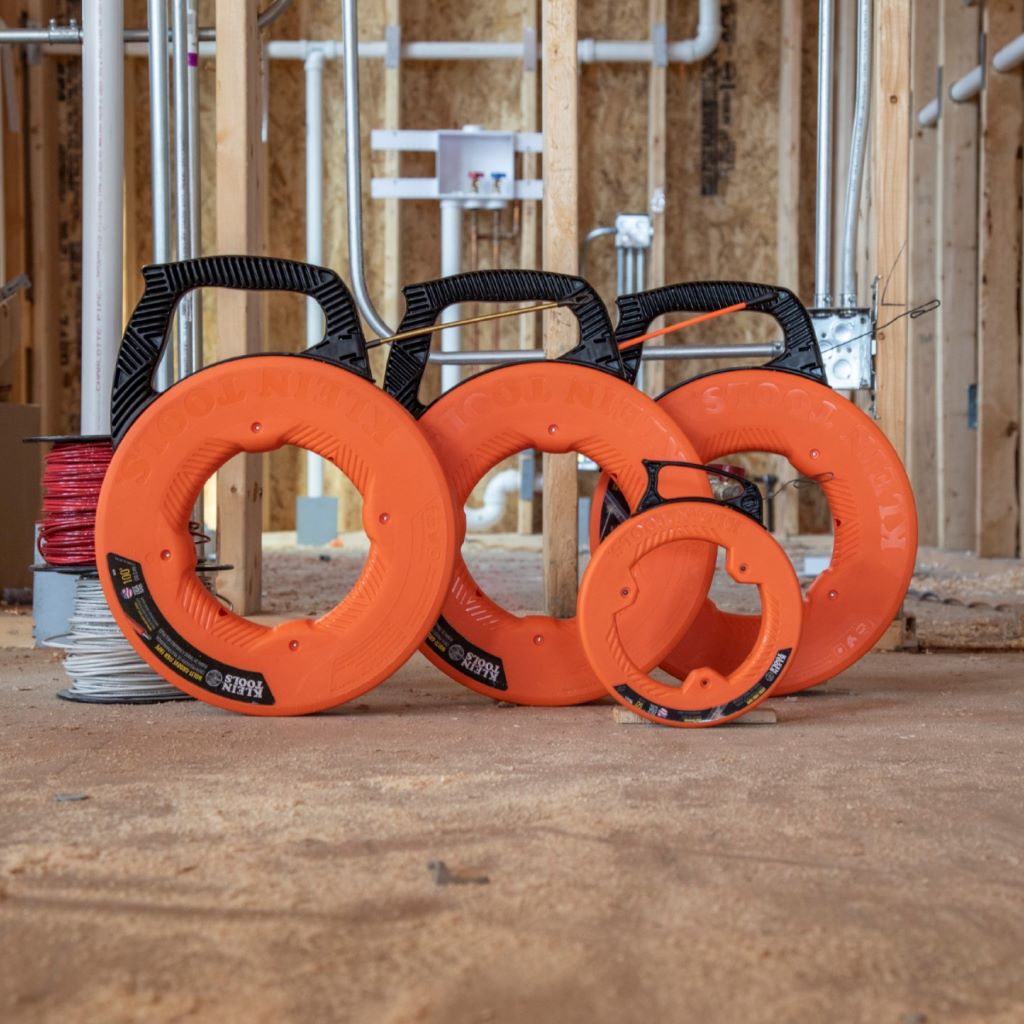
Fiberglass Fish Tape: Non-Conductive and Flexible
Fiberglass fish tapes have gained popularity in recent years, particularly due to their non-conductive properties and flexibility.
Pros of Fiberglass Fish Tape:
- Non-Conductive: Fiberglass is an insulator, making it safer to use around energized circuits.
- Flexibility: Fiberglass tapes can easily navigate bends and turns within conduit.
- Lightweight: Fiberglass is lighter than steel, reducing fatigue during long pulls.
Cons of Fiberglass Fish Tape:
- Lower Strength: Fiberglass is not as strong as steel and may not be suitable for heavy pulls.
- Susceptible to Breakage: Fiberglass can break under stress or if kinked repeatedly.
- Higher Cost: Fiberglass tapes are generally more expensive than steel options.
Choosing the Right Fish Tape for Your Needs
The decision between steel and fiberglass fish tape ultimately depends on your specific requirements and the nature of the job. Consider the following factors:
- Safety: If you are working near live wires, fiberglass is the safer choice due to its non-conductive nature.
- Distance and Turns: For long runs or conduit with multiple bends, the flexibility of fiberglass is beneficial.
- Wire Weight: If you need to pull heavy wires, steel’s strength is a significant advantage.
- Budget: Steel fish tapes are more economical, but fiberglass may be worth the investment for safety and flexibility.
Additional Tips for Using Fish Tapes
- Lubrication: Applying a lubricant to the fish tape can help it slide through the conduit more easily.
- Leader: Attaching a leader, such as a pull string or nylon rope, to the end of the fish tape can make pulling the wire easier and prevent damage.
- Multiple Tapes: For long runs, consider using multiple fish tapes connected together.
- Safety Precautions: Always wear appropriate personal protective equipment, such as gloves and safety glasses, when working with fish tapes.
Conclusion
Both steel and fiberglass fish tapes have a place in the toolbox of electricians and DIY enthusiasts. Understanding their differences allows you to make informed decisions based on your specific needs and priorities. Remember, safety should always be the top concern when working with electrical wiring. By choosing the right fish tape from steel vs fiberglass fish tape and following proper procedures, you can ensure successful and efficient wiring installations.