Key Takeaways
- Integration of advanced technologies is enhancing safety and convenience in senior care.
- Holistic wellness programs are becoming central to senior living communities.
- Intergenerational living fosters meaningful connections among people of different age groups.
- Personalized care plans are tailored to meet individual preferences and needs.
- Sustainable practices are being adopted to create eco-friendly living environments.
Senior care is undergoing a significant transformation as new trends emerge to improve the daily lives of older adults. These developments are driven by advances in technology, evolving healthcare needs, and an increasing desire for personalized support. As senior living communities adapt, families exploring assisted living St Louis are finding more diverse and dynamic environments than ever before. Staying up to date with these changes is crucial to making informed decisions for loved ones and ensuring the highest quality of care.
Innovative practices are making it possible for seniors to enjoy greater independence and comfort while staying connected to family, friends, and caregivers. Forward-thinking senior care no longer focuses solely on physical health; it now embraces mental, social, and environmental well-being. These holistic and progressive approaches signal a brighter future for aging adults, addressing the unique challenges of modern senior living. Taking advantage of these new opportunities can lead to more rewarding, fulfilling lives for seniors and their families.
Technology Integration
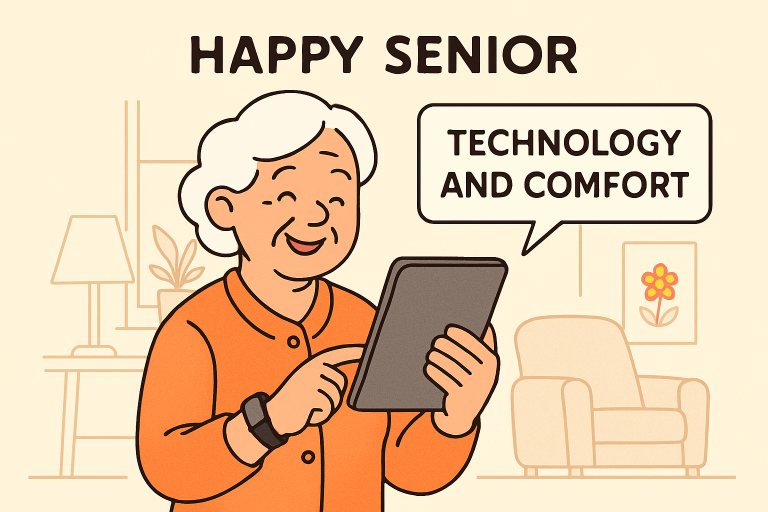
Rapid advances in technology have profoundly impacted senior care communities. Smart home devices—including voice assistants, motion sensors, and automated climate control systems—allow older adults to manage their living spaces with ease, thereby improving safety and convenience. Wearable health devices, such as fall detectors and heart rate monitors, provide caregivers with real-time data, enabling quick responses to emergencies and facilitating early intervention in health issues.
Telehealth platforms have become invaluable, especially after the COVID-19 pandemic highlighted the need for remote medical consultations. These platforms enable seniors to consult with healthcare providers from the comfort of their own homes, thereby reducing transportation needs and the risk of exposure to illness. According to a recent report by AARP, telehealth is helping bridge gaps in healthcare access and empowering seniors to take control of their own wellness from the comfort of their residence.
Holistic Wellness Programs
Modern senior living communities are placing a strong emphasis on holistic wellness. This involves providing services and activities that promote physical, mental, and emotional well-being. On-site fitness classes keep residents active, while counseling and mental health resources offer essential emotional support. Many communities are now offering nutritionist-designed meal plans to support optimal health and well-being.
Programs such as meditation, tai chi, creative arts therapies, and brain-training exercises are becoming increasingly standard. By addressing all aspects of wellness, these communities enable residents to enjoy higher levels of satisfaction while reducing the risk of common age-related issues, such as depression and loneliness. The AARP highlights how engaging activities and supportive environments significantly contribute to improved mental and emotional health for seniors.
Intergenerational Living
The rise of intergenerational living is bringing seniors and younger people together in shared communities and programs. This approach leverages the strengths of multiple generations to create vibrant and supportive environments. Seniors benefit from increased socialization and purpose as they engage with younger residents through mentorship, tutoring, and collaborative events, while youth gain valuable life skills and wisdom from older adults.
These relationships help combat social isolation—one of the most pressing issues facing seniors today. Intergenerational communities often feature communal gardens, shared dining spaces, and program rooms designed to encourage meaningful interactions. Such environments create mutual support networks that benefit everyone involved.
Personalized Care Plans
No two seniors have the same health profile or life story, and care facilities are increasingly recognizing this by designing personalized care plans. These plans take into account medical histories, personal preferences, cognitive needs, and even hobbies or interests. The move away from a one-size-fits-all approach ensures that each resident receives specialized attention that fosters autonomy and dignity.
This customization extends to everyday activities, meal options, medication management, and even opportunities for lifelong learning. Technology further enhances personalization through digital records and data-driven assessments, enabling continuous adjustments to care as needs evolve over time. Families and residents alike are reassured knowing that care is both comprehensive and adaptable.
Sustainable Practices
Environmental stewardship is increasingly a hallmark of top senior care facilities, with eco-friendly practices like green materials, solar energy, and water conservation promoting healthier, more responsible communities. These often lead to savings for reinvestment in services or upgrades. Many seniors value sustainable living, with eco-friendly landscaping, recycling, and energy-efficient appliances now industry standards. These sustainable designs meet residents’ values and foster vibrant, healthy environments. As senior care evolves, trends like technology, holistic wellness, intergenerational connections, personalized care, and sustainability are raising standards, enhancing life quality, dignity, and well-being in retirement.