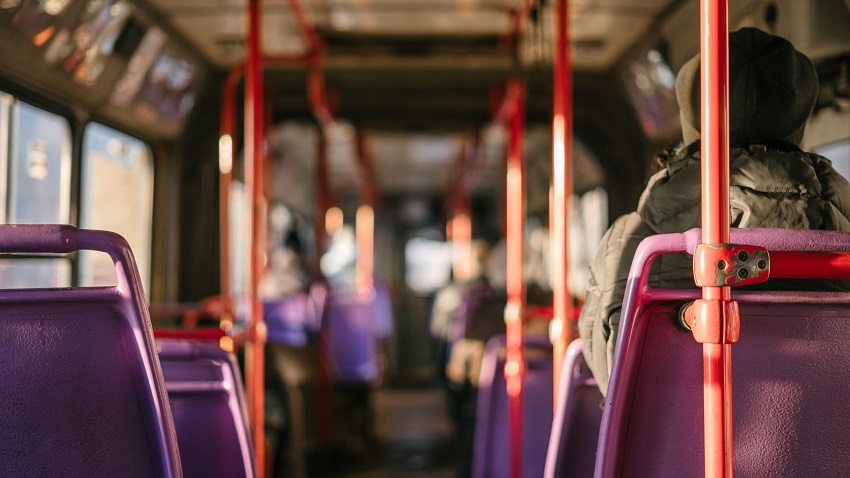
Public transportation has long been a topic of debate regarding commuting options. Many individuals rely on public transport as their primary means of getting around, while others prefer private vehicles. In this article, we will explore the benefits and drawbacks of public transport and discuss why it can be a good choice for many individuals.
Public transport connects communities, reduces traffic congestion, and promotes sustainable living. It includes various modes of transportation such as buses, trains, trams, and subways. Let’s delve into the advantages of utilizing public transport.
Affordability and Cost-Effectiveness
One of the major advantages of using public transport is its affordability. Public transportation fares are generally lower than the expenses of owning a private vehicle. With rising fuel prices and maintenance costs, public transport offers a cost-effective alternative for daily commuting.
Environmental Benefits
Using public transport significantly contributes to reducing carbon emissions and environmental pollution. A single bus can replace multiple private vehicles, reducing traffic congestion and improving air quality. Individuals can actively participate in conserving the environment and combating climate change by opting for public transport.
Reduced Traffic Congestion
Traffic congestion is a growing concern in urban areas. Public transport helps alleviate this issue by reducing the number of cars on the road. A well-developed public transportation system encourages individuals to leave their vehicles at home, resulting in smoother traffic flow, shorter commute times, and less frustration for commuters.
Improved Accessibility
Public transport networks are designed to connect various parts of a city or region. They provide accessibility to areas that may be challenging to reach by private vehicles. Public transport enables individuals who do not own cars or have limited mobility to access education, employment, healthcare facilities, and other essential services conveniently.
Social Interaction and Productivity
Using public transport allows people to interact with fellow commuters and form connections. This social aspect can enhance the overall commuting experience and foster a sense of community. Additionally, public transport provides an opportunity to utilize travel time productively. Commuters can read, work on their laptops, listen to podcasts, or engage in other activities during their journey.
Health Benefits
Public transport encourages physical activity as it often involves walking or cycling to and from the stations or stops. Regular physical exercise improves cardiovascular health, reduces the risk of chronic diseases, and enhances overall well-being. Moreover, public transport users are less likely to experience the stress associated with driving in congested traffic conditions.
Flexibility and Reduced Parking Hassles
Public transport systems operate on predefined schedules, providing commuters with a reliable mode of transportation. By utilizing public transport, individuals can avoid the hassle of finding parking spaces, paying parking fees, and dealing with parking restrictions. This convenience can save time and reduce stress, particularly in densely populated areas.
Government Initiatives and Infrastructure
Governments worldwide are increasingly investing in public transport infrastructure to promote sustainable mobility. They are expanding existing networks, introducing new routes, and enhancing the overall quality of public transportation services. These initiatives aim to provide efficient, safe, and reliable transport options for citizens.
Case Studies and Success Stories
Several cities around the world have successfully implemented robust public transport systems. For example, the city of Curitiba in Brazil is renowned for its Bus Rapid Transit (BRT) system, which has improved mobility, reduced traffic congestion, and enhanced the quality of life for its residents. Similarly, cities like Tokyo, Singapore, and London have developed efficient subway systems that cater to millions of commuters daily, providing them with a reliable and convenient mode of transportation.
Personal Safety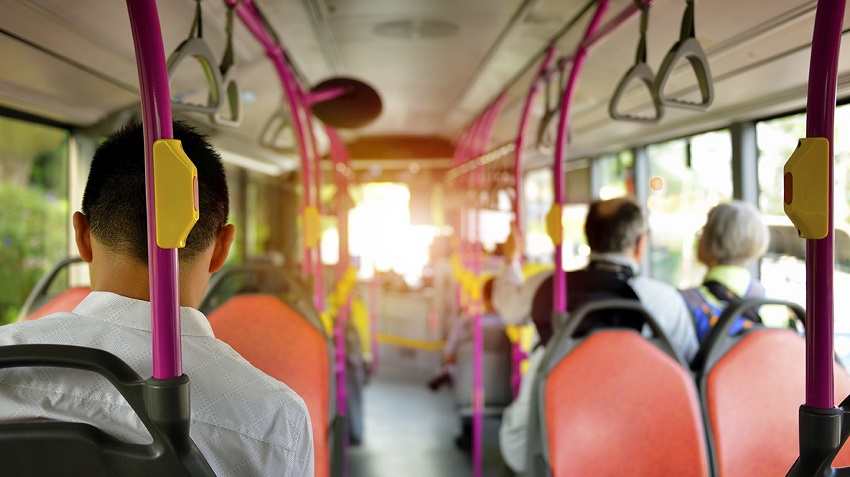
Public transport often offers a safer travel experience compared to private vehicles. Buses and trains are equipped with security measures such as surveillance cameras and dedicated personnel to ensure the safety of passengers. This can be particularly beneficial for individuals who travel alone, especially during late hours or in unfamiliar areas.
Economic Benefits
A well-functioning public transport system can have positive effects on the local economy. By reducing traffic congestion, public transport allows for smoother movement of goods and services, facilitating trade and commerce. Public transport infrastructure projects also create job opportunities in construction, maintenance, and operations, further stimulating economic growth.
Traffic Regulations and Road Safety
Public transport encourages adherence to traffic regulations and promotes road safety. With well-trained and experienced professional drivers, public transport vehicles follow traffic rules, reducing the likelihood of accidents. This emphasis on safety also extends to pedestrians and cyclists since public transport helps create a safer environment for all road users.
Urban Planning and Land Use
The availability of public transport influences urban planning and land use patterns. Cities with efficient public transport systems can prioritize transit-oriented development, which means designing communities that are easily accessible by public transport. This approach reduces urban sprawl, promotes compact cities, and maximizes the efficient use of available land.
Personal Convenience and Stress Reduction
Contrary to common misconceptions, public transport can offer a convenient and stress-free commuting experience. Instead of navigating through congested traffic, dealing with parking, and facing the challenges of driving in crowded areas, commuters can relax, read a book, or catch up on their favorite podcast during their journey. This reduces the stress associated with daily commuting and enhances overall well-being.
In conclusion, public transport offers numerous benefits beyond individual convenience. It is an affordable, environmentally friendly, and socially interactive mode of transportation. Public transport reduces traffic congestion, promotes sustainability, and contributes to the overall quality of life in cities. With ongoing government initiatives and improvements in infrastructure, public transport systems continue to evolve and provide efficient mobility solutions for communities worldwide.