Getting a good night’s sleep becomes nearly impossible when you’re tossing and turning from overheating. For back sleepers, finding the right pillow that provides both proper support and temperature regulation can be challenging. The combination of head position, neck alignment, and heat retention creates unique demands that require careful consideration.
Many people don’t realize that their pillow significantly affects their body temperature during sleep. Traditional pillows trap heat around your head and neck, causing discomfort and disrupting your sleep cycle. This problem becomes especially pronounced for back sleepers who need specific support characteristics while also requiring adequate airflow.
This comprehensive guide will help you understand what makes a pillow suitable for back sleepers who struggle with nighttime overheating. You’ll learn about materials, construction methods, and features that promote cooling while maintaining the support your spine needs. By the end, you’ll know exactly what to look for when shopping for your ideal sleep solution.
Understanding Why Back Sleepers Overheat
Your sleeping position directly influences how heat accumulates around your body throughout the night. Back sleepers face particular challenges because their head, neck, and upper back create a heat pocket against the mattress and pillow.
When you sleep on your back, less of your body surface area contacts the mattress compared to stomach or side sleeping. However, your head remains in constant contact with the pillow, creating a concentrated area where heat builds up. This warmth has nowhere to escape, especially with traditional pillow materials.
Additionally, back sleepers often require thicker pillows to maintain proper neck alignment. This extra material creates more insulation around your head. The increased thickness, while necessary for support, can exacerbate heat retention problems if the pillow lacks proper cooling features.
Your body naturally drops in temperature as you fall asleep. This cooling process is essential for entering and maintaining deep sleep stages. When your pillow prevents heat dissipation, it interferes with this natural temperature regulation, leading to restless nights and frequent waking.
The Science of Sleep Temperature
Understanding how temperature affects sleep quality helps explain why choosing the right pillow matters so much. Your body follows a circadian rhythm that involves temperature fluctuations throughout the day and night.
As bedtime approaches, your core body temperature begins to drop. This decrease signals your brain that it’s time to sleep. The coolest point occurs in the early morning hours, after which your temperature gradually rises, preparing you to wake up.
Maintaining an optimal sleep environment temperature between 60 and 67 degrees Fahrenheit supports this natural process. However, your pillow creates a microclimate around your head that can be significantly warmer than the ambient room temperature.
Research shows that even slight temperature increases around your head can trigger wakefulness. Your brain is particularly sensitive to heat, and overheating disrupts the sleep cycles necessary for physical recovery and mental restoration.
Therefore, selecting a pillow that actively manages heat becomes crucial for achieving consistent, restorative sleep. The right pillow works with your body’s natural cooling mechanisms rather than against them.
Essential Features for Back Sleeper Pillows
Back sleepers need pillows that address two primary concerns simultaneously: proper spinal alignment and temperature regulation. These requirements aren’t mutually exclusive, but finding both in one pillow requires knowing what to look for.
Height and loft determine whether your neck maintains its natural curve while you sleep. Back sleepers generally need medium-loft pillows that fill the gap between the mattress and their neck without tilting their head too far forward or backward.
The pillow should support the natural cervical curve without creating pressure points. Your head should rest comfortably while your neck receives gentle support. This positioning keeps your spine aligned from your head through your lower back.
Firmness level affects both support and heat retention. Pillows that are too soft collapse under your head’s weight, failing to provide adequate support. Pillows that are too firm create pressure points and restrict airflow. Medium-firm options typically work best for back sleepers.
Responsiveness refers to how quickly the pillow adjusts to your movements. You want enough give to remain comfortable but sufficient support to maintain alignment. Materials that respond to pressure while allowing air circulation provide the ideal combination.
Materials That Promote Cooling
Different pillow materials have vastly different heat retention characteristics. Understanding these differences helps you identify options that will keep you cool throughout the night.
Memory foam has evolved significantly from its heat-trapping origins. Traditional memory foam cradles your head but creates a heat sink. Modern versions incorporate cooling technologies that address this problem while maintaining the contouring support back sleepers need.
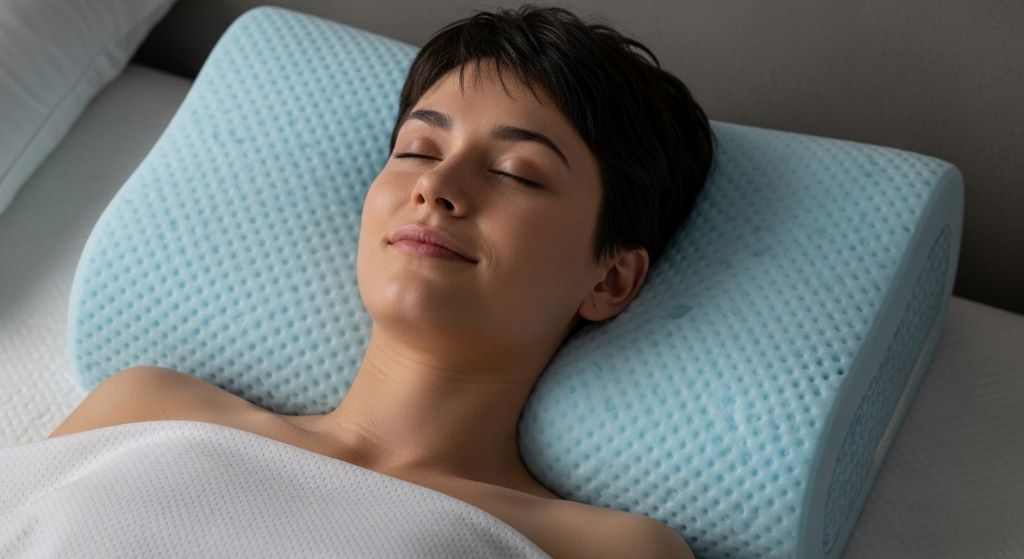
A breathable pillow design incorporates open-cell foam structures that allow air to flow through the material. These open cells create channels where heat can escape rather than accumulating around your head. The improved ventilation makes a noticeable difference in sleeping temperature.
Gel-infused foam represents a major advancement in temperature-neutral sleep surfaces. The gel particles absorb and disperse heat away from your body, preventing the concentrated warmth that disrupts sleep. This technology has become increasingly popular for its effectiveness at temperature regulation.
Latex offers natural cooling properties due to its inherent structure. The material doesn’t trap heat the way solid foam does, and it provides responsive support that works well for back sleepers. Latex pillows often include ventilation holes that further enhance airflow.
Down alternative and polyester fills can provide cooling if properly constructed. Look for materials labeled as moisture-wicking or temperature-regulating. These fibers pull heat and moisture away from your skin, promoting a cooler sleep surface.
Advanced Cooling Technologies
Modern pillow manufacturers have developed sophisticated technologies specifically designed to combat nighttime overheating. These innovations go beyond basic material selection to actively manage temperature.
Phase change materials absorb excess heat when you’re warm and release it when you cool down. These materials maintain a consistent temperature range, preventing the fluctuations that disrupt sleep. They’re often incorporated into pillow covers or integrated into foam layers.
Ventilation channels built into pillow cores create pathways for air circulation. These strategic openings allow heat to escape while maintaining structural support. The channels are typically arranged to maximize airflow without compromising the pillow’s ability to support your neck.
Moisture-wicking covers pull perspiration away from your skin and allow it to evaporate quickly. This process has a cooling effect similar to how your body naturally regulates temperature through sweating. Look for covers made from bamboo, Tencel, or other moisture-managing fabrics.
Copper or graphite infusions conduct heat away from your body more efficiently than standard materials. These additions create a heat-spreading effect that prevents hot spots from developing. The technology works continuously throughout the night without requiring any action on your part.
Dual-sided designs offer different cooling levels on each side of the pillow. You can flip to the cooler side when needed or choose the side that best matches current conditions. This versatility adapts to seasonal changes and personal preferences.
Finding the Right Firmness Level
Firmness significantly impacts both support quality and temperature regulation. The ideal firmness for back sleepers balances these competing needs while accommodating individual preferences.
Too-soft pillows compress completely under your head’s weight. This collapse eliminates the air space necessary for cooling and fails to maintain proper neck alignment. You end up with your head sinking too low, creating an awkward angle for your spine.
Too-firm pillows resist compression, creating pressure points where your head contacts the surface. These pressure points restrict blood flow and become uncomfortable. Additionally, overly firm materials often lack the ventilation features that promote cooling.
Medium-firm pillows typically provide the sweet spot for back sleepers. They compress enough to cradle your head comfortably while maintaining sufficient loft to support your neck. This firmness level also allows for better air circulation compared to very firm options.
Adjustable pillows let you customize the firmness by adding or removing fill material. This flexibility helps you find your perfect balance between support and cooling. You can experiment with different heights and densities to discover what works best.
Consider that firmness preferences vary based on body weight and personal comfort. Heavier individuals may need firmer pillows to maintain proper support, while lighter people might prefer softer options. Testing different firmness levels helps identify your ideal match.
Cover Materials and Construction
The pillow cover plays a crucial role in temperature regulation that’s often underestimated. The right cover material enhances cooling while the wrong choice can negate the benefits of an otherwise well-designed pillow core.
Cotton remains popular for its natural breathability and soft feel. However, not all cotton is equal. High-thread-count cotton can actually restrict airflow, while lower-count weaves allow better ventilation. Percale cotton specifically offers excellent cooling properties.
Bamboo fabric has gained popularity for good reason. It naturally wicks moisture, resists bacteria, and feels cool to the touch. Bamboo viscose or rayon provides similar benefits while offering a silkier texture that many people prefer.
Tencel, made from eucalyptus fibers, excels at moisture management. It absorbs moisture more efficiently than cotton and dries quickly. The smooth texture feels pleasant against your skin while actively working to keep you cool.
Mesh panels or perforated sections in covers enhance airflow directly to the pillow core. These ventilation zones allow heat to escape more readily while maintaining a comfortable sleeping surface. Look for strategic placement that doesn’t create uncomfortable textures.
Removable, washable covers extend your pillow’s lifespan and maintain hygiene. Regular washing prevents the buildup of oils and dead skin cells that can reduce breathability over time. Choose covers with quality zippers that won’t fail after repeated washing.
Sizing Considerations for Back Sleepers
Pillow size affects both comfort and temperature regulation in ways that aren’t immediately obvious. Choosing the appropriate dimensions for your body and sleeping habits makes a meaningful difference.
Standard pillows measure 20 by 26 inches and work well for most back sleepers. This size provides adequate surface area without overwhelming smaller beds or creating excess bulk that can trap heat.
Queen pillows at 20 by 30 inches offer more length, which benefits those who move around during sleep or prefer positioning their arms under the pillow. The extra length prevents your head from rolling off the edge during position changes.
King pillows measure 20 by 36 inches and suit larger individuals or those who use multiple pillows. However, oversized pillows can retain more heat simply due to their greater mass. Consider whether you truly need the extra size or if it might contribute to overheating.
Body size should influence your pillow dimension choice. Broader-shouldered individuals might appreciate the stability of larger pillows, while smaller frames may find them unnecessarily bulky. Match the pillow size to your physical proportions for optimal comfort.
Bed size also matters. A king pillow on a twin bed creates proportion problems and can make you feel cramped. Similarly, standard pillows might look lost on a California king bed. Choose sizes that complement your mattress dimensions.
Maintenance for Optimal Cooling Performance
Proper care maintains your pillow’s cooling properties over time. Without regular maintenance, even the best pillows gradually lose their temperature-regulating effectiveness.
Fluffing your pillow daily redistributes fill material and restores loft. This simple action prevents compression that reduces airflow. Spend a few seconds each morning reshaping your pillow to maintain its structure and ventilation capabilities.
Air out your pillow regularly by removing the cover and placing it in a well-ventilated area. This process allows trapped moisture to evaporate and refreshes the materials. Monthly airing prevents the moisture buildup that impairs cooling performance.
Wash removable covers every two to three weeks. Body oils, sweat, and dead skin cells accumulate on covers, creating a barrier that reduces breathability. Regular washing maintains the fabric’s moisture-wicking properties and keeps your pillow fresh.
Follow manufacturer guidelines for cleaning the pillow core. Some materials can be machine washed, while others require spot cleaning only. Improper cleaning can damage cooling technologies or compromise structural integrity.
Replace your pillow every 18 to 24 months, regardless of how well you maintain it. Materials break down over time, losing their supportive and cooling properties. Signs you need a replacement include persistent flattening, lumps, or increased nighttime overheating.
Combining Your Pillow with Other Cooling Strategies
Your pillow is just one component of an overall sleep environment. Maximizing cooling requires addressing multiple factors that contribute to nighttime temperature.
Bedroom temperature should stay between 60 and 67 degrees Fahrenheit. Use air conditioning, fans, or open windows to maintain this range. Even the best cooling pillow can’t overcome an excessively warm room.
Mattress breathability affects overall sleep temperature. If your mattress traps heat, you’ll struggle to stay cool regardless of your pillow choice. Consider whether your mattress needs upgrading if overheating remains a persistent problem.
Bedding materials should complement your cooling pillow. Use lightweight, breathable sheets made from natural fibers. Heavy comforters can negate the benefits of temperature-regulating pillows, so choose appropriate bedding for the season.
Sleepwear impacts your ability to maintain comfortable temperature. Loose-fitting, moisture-wicking pajamas help your body regulate heat more effectively. Cotton or bamboo sleepwear works well for most people.
Pre-sleep habits influence your starting temperature. Avoid hot showers immediately before bed, as they raise your core temperature. Instead, try cooling your bedroom an hour before sleep time, allowing your body to begin its natural temperature drop.
Budget Considerations and Value
Cooling pillows for back sleepers range from affordable basic options to premium high-tech models. Understanding what you get at different price points helps you make an informed investment.
Budget-friendly options under fifty dollars typically offer basic cooling features like ventilated foam or moisture-wicking covers. They provide noticeable improvement over traditional pillows but may lack advanced technologies or premium materials. These work well for testing whether cooling pillows benefit you.
Mid-range pillows between fifty and one hundred dollars often incorporate gel-infused foam, quality breathable pillow construction, and better covers. This price range offers excellent value for most back sleepers, providing meaningful cooling benefits without excessive cost.
Premium pillows exceeding one hundred dollars feature cutting-edge cooling technologies, superior materials, and often longer warranties. They’re designed for people who prioritize sleep quality and want the most effective temperature regulation available.
Consider cost per night of use when evaluating prices. A pillow lasting two years costs only pennies per night, even at higher price points. The improved sleep quality often justifies the investment through better daytime functioning and overall wellbeing.
Trial periods and return policies reduce purchase risk. Many manufacturers offer 30 to 100-night trial periods, allowing you to test the pillow thoroughly before committing. Take advantage of these offers to ensure you’ve found the right match.
Signs You’ve Found the Right Pillow
Knowing when you’ve selected the ideal pillow helps you avoid continuing to search unnecessarily. Several indicators confirm you’ve made the right choice.
You wake up feeling refreshed rather than groggy. Quality sleep from proper temperature regulation and support translates to better morning alertness. You should feel rested after a full night’s sleep.
Your neck and shoulders feel relaxed upon waking. The right pillow eliminates the stiffness and pain that result from poor alignment during sleep. Back sleepers especially notice this difference when their pillow provides appropriate support.
You’re not constantly repositioning during the night. Excessive movement often indicates discomfort from either temperature or support issues. Finding the right pillow reduces nighttime restlessness.
You wake up less frequently from feeling too warm. While occasional waking is normal, persistent heat-related disturbances suggest your pillow isn’t managing temperature effectively. The right pillow should keep you comfortably cool.
Your pillow maintains its shape and support throughout the night. Quality pillows don’t flatten or lose loft during sleep. Consistent support and cooling performance indicate you’ve chosen well.
Conclusion
Staying cool at night while maintaining proper back support requires carefully selecting a pillow designed for both purposes. Understanding how different materials and technologies affect temperature regulation helps you make an informed choice that addresses your specific needs.
A breathable pillow with proper construction allows heat to dissipate rather than accumulating around your head. Modern materials like gel-infused foam provide temperature regulation while offering the support back sleepers require for proper spinal alignment. These features work together to create optimal sleeping conditions.
Remember that the ideal pillow balances multiple factors including height, firmness, materials, and cooling technologies. Your personal preferences, body size, and sleeping environment all influence which option works best for you. Take time to research and test different pillows to find your perfect match.
Investing in a quality cooling pillow pays dividends through improved sleep quality, better daytime functioning, and long-term comfort. Combined with proper bedroom temperature, suitable bedding, and good sleep hygiene, the right pillow transforms your nightly rest from a struggle against heat to a consistently refreshing experience.
Frequently Asked Questions
How quickly will I notice a difference with a cooling pillow?
Most people notice temperature differences during their first night using a quality cooling pillow. However, your body may need several nights to adjust to the new support and sleeping surface. Give your new pillow at least a week of consistent use before making a final judgment. Some cooling technologies become more effective after breaking in, and your sleep patterns need time to stabilize with the new support.
Can back sleepers use multiple pillows and still stay cool?
Using multiple pillows can work if you choose thin, highly breathable options. However, stacking traditional pillows increases insulation and heat retention. If you prefer sleeping with two pillows, select ones specifically designed to work together or use a single thicker pillow designed for back sleepers. The goal is achieving proper height without creating excessive material that traps heat around your head and neck.
Do cooling pillows work for people who naturally sleep hot?
Yes, cooling pillows specifically benefit people who naturally run warm during sleep. These individuals experience the most dramatic improvement from temperature-regulating technologies. However, cooling pillows work best as part of a comprehensive approach that includes appropriate room temperature, breathable bedding, and moisture-wicking sleepwear. Even the best pillow has limits if your overall sleep environment is too warm.
How do I know if my pillow height is correct for back sleeping?
Proper pillow height keeps your head and neck aligned with your spine. When lying on your back, your head should be level with your body, not tilted up or down. You can have someone photograph you from the side while lying on your pillow. Your neck should maintain its natural gentle curve, not flatten completely or hyperextend. If you experience neck pain or headaches upon waking, your pillow height likely needs adjustment.
Are natural materials or synthetic materials better for cooling?
Both natural and synthetic materials can provide excellent cooling when properly designed. Natural materials like latex and bamboo offer inherent breathability and moisture-wicking properties. Synthetic materials can incorporate advanced cooling technologies that natural materials cannot match. The best choice depends on your specific preferences, budget, and any sensitivities to certain materials. Focus on the pillow’s overall design and cooling features rather than strictly preferring natural or synthetic options.
Related Topics:
How to Choose the Perfect Pillow for Your Sleep Position
Silk vs. Satin Pillows: What’s Trending in Luxe Sleep Gear