
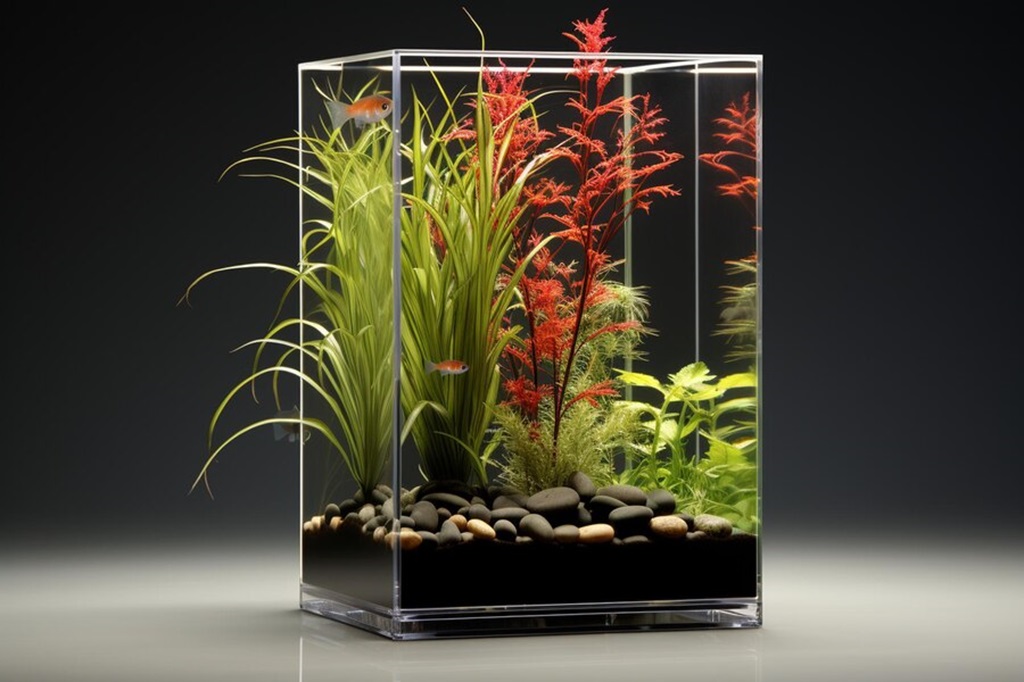
Imagine a closed-loop ecosystem where waste becomes a valuable resource. That’s precisely what happens when you use water from your fish tank, such as one housing pink discus fish, to nourish your plants. This practice, known as aquaponics, taps into the natural cycle of life, turning fish waste into a potent, organic fertilizer. But is aquarium water really good for plants? The answer, in most cases, is a resounding yes.
Why Aquarium Water is a Plant Superfood
Fish waste, uneaten food, and decaying organic matter in your aquarium break down into ammonia. Beneficial bacteria then convert this ammonia into nitrites and finally nitrates. While high levels of nitrates are harmful to fish, they are a primary source of nitrogen for plants, crucial for leafy growth and overall health.
Besides nitrates, aquarium water also contains other essential nutrients like phosphorus and potassium, along with various trace elements. This nutrient-rich cocktail is essentially a liquid fertilizer, providing your plants with a balanced diet for optimal growth.
Benefits for Your Plants
Using aquarium water for your plants offers a range of benefits:
- Boosted Growth: The abundance of nutrients in fish tank water can lead to faster, more vigorous plant growth. You might notice your plants becoming lusher, greener, and producing more flowers or fruits.
- Improved Soil Health: The beneficial bacteria present in aquarium water can help improve soil structure and increase its ability to retain moisture and nutrients.
- Reduced Fertilizer Costs: By utilizing a readily available resource, you can cut down on the need for commercial fertilizers, saving you money and reducing your environmental impact.
- Eco-Friendly Gardening: This practice promotes sustainability by reducing waste and minimizing reliance on synthetic chemicals.
How to Use Aquarium Water Safely
While aquarium water is generally safe and beneficial for plants, there are a few precautions to keep in mind:
- Avoid Saltwater: Water from saltwater aquariums is not suitable for most plants due to its high salt content, which can damage roots and hinder growth.
- Beware of Medications: If you’ve recently treated your fish with medications, avoid using the aquarium water for your plants, as these chemicals can be harmful.
- Don’t Overdo It: While nutrient-rich, aquarium water should be used in moderation. Overuse can lead to nutrient buildup in the soil, potentially harming your plants. It’s best to use it as a supplement to regular watering.
- Consider the Plant Type: While most plants will benefit from aquarium water, some may be sensitive to high nitrate levels. Start with small amounts and monitor your plants’ reactions to ensure they thrive. For more tips on plant care, you can check out Aquariumfishblog for helpful insights.
Tips for Using Aquarium Water
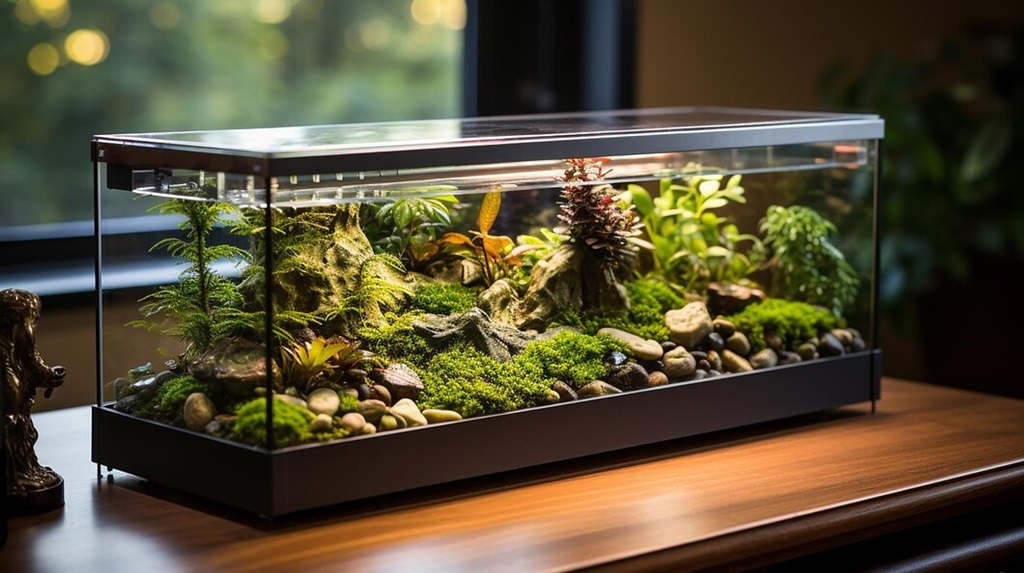
- Use Water from Partial Water Changes: When performing routine water changes in your aquarium, collect the old water in a bucket or watering can. This water is ideal for plants as it contains a good balance of nutrients.
- Dilute if Necessary: If you’re concerned about the concentration of nutrients, dilute the aquarium water with fresh water before applying it to your plants.
- Water at the Base: Avoid splashing the aquarium water on the leaves of your plants, as this can lead to fungal growth. Water is directly at the base of the plant.
- Observe Your Plants: Pay attention to how your plants respond to the aquarium water. If you notice any signs of stress, such as wilting or yellowing leaves, reduce the frequency or amount of aquarium water used.
Beyond the Basics: Aquaponics
Using aquarium water for plants is a simple form of aquaponics. This concept can be expanded to create more complex systems where plants and fish coexist in a symbiotic relationship. In these systems, plants filter the water for the fish, while the fish provide nutrients for the plants. Aquaponics can be a fascinating and rewarding way to grow both plants and fish sustainably.
Conclusion
In conclusion, aquarium water can be a valuable resource for your plants, providing them with essential nutrients for healthy growth. By following the guidelines outlined above, you can safely and effectively utilize this “liquid gold” to nourish your garden and promote a more sustainable approach to gardening. So, the next time you clean your fish tank, don’t throw away that nutrient-rich water – give it to your plants and watch them thrive!


