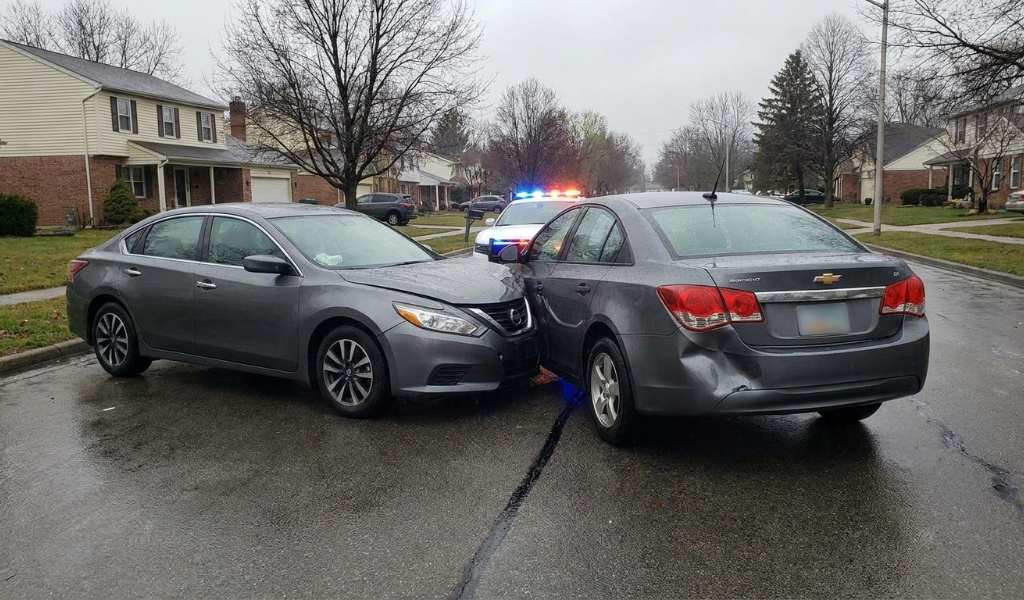
Most accident claims take three to twelve months to settle. Simple property damage claims can close in weeks. Serious injury cases often run one to three years. Lawsuits and trials add more time on top of that. Patience usually pays off in the end, so plan ahead. Everyone asks how long does an accident claim take, because bills do not wait. The honest answer depends on your injuries, the fault dispute, and the insurer. This guide gives realistic ranges for each stage. Use them to plan your finances and set fair expectations.
The Quick Timeline at a Glance
Think of your claim as a series of stages. Each stage has its own typical length. Add them up, and you get your likely total.
- Property damage claim: Two to six weeks.
- Minor injury claim: Three to six months.
- Moderate injury claim: Six to twelve months.
- Serious injury claim: One to three years.
- Claim that reaches trial: Two to four years, sometimes longer. These ranges describe averages, not promises. Your own case may run faster or slower. The sections below explain why.

Stage by Stage: Where the Time Goes
Stage 1: Reporting and Early Investigation (Days to Weeks)
You report the crash, and the insurer opens a file. An adjuster reviews the police report, photos, and statements. Meanwhile, the insurer decides who carries the blame. Clear fault speeds this stage. Disputed fault slows it down, because both sides gather more proof. Expect a few weeks in most cases.
Stage 2: Medical Treatment (Weeks to Many Months)
Treatment usually takes the longest stretch. Your claim cannot reach full value until your doctors understand your recovery. Settling too early can leave future bills unpaid. Most lawyers wait for maximum medical improvement. That term means your condition has stabilized. A sprain might reach it in two months. A spinal injury may need a year or more.
Stage 3: Demand and Insurer Review (Four to Eight Weeks)
Once treatment ends, your side sends a demand package. It includes medical records, bills, wage proof, and a settlement figure. The insurer then reviews everything. Insurers often take thirty days to respond. Complex files can take longer. Expect a first offer well below your demand.
Stage 4: Negotiation (Weeks to Months)
Offers and counteroffers follow. Each round takes days or weeks. Strong evidence shortens this stage, and weak evidence stretches it. Most claims settle here. If the insurer refuses to move, the next stage begins.
Stage 5: Filing a Lawsuit (Months to Years)
Filing a lawsuit moves your claim into the court system. Written questions, document requests, and sworn depositions fill the next phase. This discovery period often lasts six to eighteen months. Courts then schedule mediation and trial dates. Busy courts can push a trial date out a year or more. Still, most lawsuits settle before trial.
Stage 6: Payment After Settlement (Two to Six Weeks)
After you accept an offer, you sign a release. The insurer then issues payment, often within thirty days. Your lawyer deposits the money in a trust account. Next, the firm pays medical liens, case costs, and fees. You receive the remaining balance. Lien negotiations can add extra weeks.
Does Hiring a Lawyer Make It Faster or Slower?
Many people fear that a lawyer adds months. The truth is more balanced. An accident claim lawyer often shortens the stalling phase. Insurers know the case will not fade away. However, lawyers also refuse to rush your settlement. They wait for your full medical picture before they demand payment. That patience protects your recovery, even if it adds time. Meanwhile, going alone can feel quicker at first. Yet quick offers often come with a quick release, which closes your claim for good. Consider the trade-off carefully.
What Speeds Up a Claim
You cannot control everything. However, several habits shorten the road:
- Prompt treatment: Early care builds a clean medical record.
- Consistent follow-up: Attend every appointment and finish every treatment plan.
- Strong evidence: Photos, video, and witness names settle fault disputes quickly.
- Fast responses: Return calls and sign documents without delay.
- Clear damages: Organized bills and wage records reduce back-and-forth. These steps also tend to raise your final value. Speed and strength often travel together.
What Slows a Claim Down
Delays frustrate everyone, so know the usual culprits:
- Disputed fault: Both sides dig in and gather more evidence.
- Serious or unclear injuries: Doctors need time to predict long-term effects.
- Treatment gaps: Breaks in care give adjusters a reason to question your injuries.
- Low policy limits: Collecting beyond coverage requires extra steps.
- Multiple parties: More insurers mean more negotiation.
- Court backlogs: Crowded dockets stretch every deadline.
- Lowball tactics: Some insurers stall, hoping you will accept less.
Can You Get Money While You Wait?
Waiting hurts when bills pile up. Fortunately, several options exist:
- Medical payments coverage: Your own auto policy may pay early medical bills regardless of fault.
- No-fault benefits: Some states provide quick coverage for medical costs and lost wages.
- Health insurance: Your plan can cover treatment now and seek repayment later.
- Disability benefits: Short-term disability may replace part of your income.
- Pre-settlement funding: This costs a lot, so use it only after careful review. Ask your lawyer which options fit your state and your situation.
Why Rushing Costs You Money
A fast settlement feels like relief. Unfortunately, the first check rarely reflects your full losses. Hidden injuries and future care can emerge months later. Once you sign a release, you usually cannot reopen the claim. Therefore, patience often pays better than speed. Take the time your recovery truly needs.
Plan Your Timeline With a Professional
Every claim runs on its own clock. Knowing the stages helps you stay calm and make smarter choices. It also helps you spot an insurer who stalls. Gather your records and injury details. Then ask a local injury lawyer for a free case review. Request a realistic timeline for your exact facts. Start now, because the clock on your claim already runs.
Frequently Asked Questions
How long does a typical car accident claim take?
Most car accident claims settle within three to twelve months.
How long does a claim take if I file a lawsuit?
A lawsuit usually adds one to three years before trial or a final settlement.
Why is my accident claim taking so long?
Slow treatment, disputed fault, insurer delays, and court backlogs cause most delays.
When do I receive my money after settlement?
Payment usually arrives two to six weeks after you sign the release.
Can I speed up my accident claim?
Yes, by treating promptly, organizing records, and responding quickly to requests.