
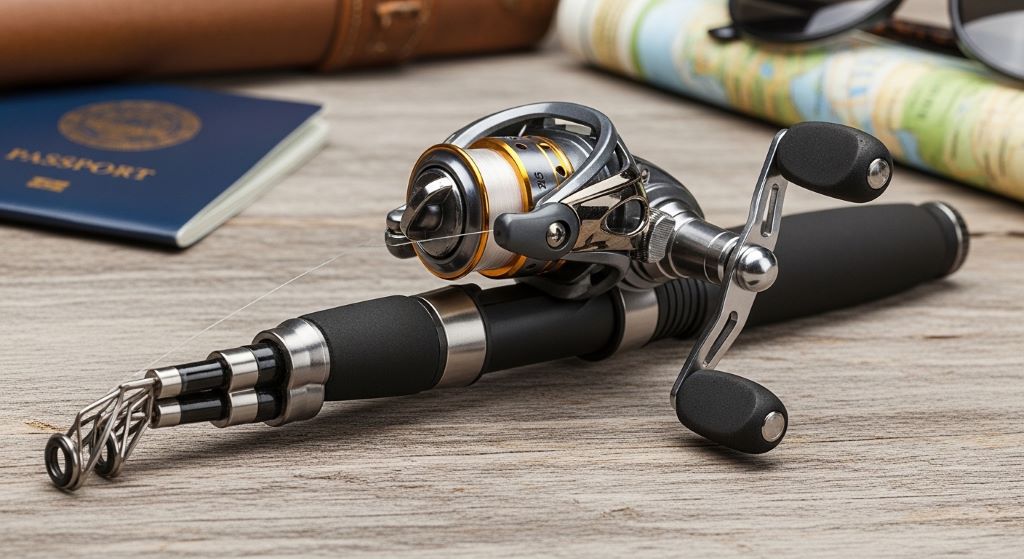
Traveling opens doors to incredible fishing opportunities around the world. However, packing expensive equipment can be risky and impractical. The good news is that you don’t need to spend a fortune to enjoy fishing while traveling. With smart choices and careful planning, you can assemble quality gear that fits your budget and luggage.
Many travelers assume they must sacrifice quality when shopping for affordable fishing equipment. This misconception keeps people from discovering excellent budget options that perform surprisingly well. Understanding what features truly matter and what you can compromise on makes all the difference.
This guide will help you navigate the world of affordable fishing gear designed specifically for travelers. You’ll learn how to identify quality equipment at reasonable prices, what to pack for different destinations, and how to maximize your investment. Whether you’re backpacking through Southeast Asia or road-tripping across North America, you’ll find practical advice for fishing on a budget.
Understanding Your Travel Fishing Needs
Before purchasing any equipment, assess your specific travel fishing requirements. Different destinations and fishing styles demand different gear. A travel fishing kit for mountain streams differs significantly from one designed for coastal surf fishing.
Consider the types of fish you’ll target during your travels. Research common species at your destination and their typical sizes. This information helps you select appropriate rod strength and reel capacity without overspending on unnecessary power.
Think about your transportation method as well. Backpackers need ultra-compact gear, while car travelers have more flexibility. Airlines impose strict luggage restrictions, making packability crucial for frequent flyers. Your travel style directly influences which budget options make sense.
Additionally, evaluate how often you’ll fish while traveling. Casual anglers who fish occasionally can prioritize affordability over durability. However, those planning fishing-focused trips should invest slightly more in reliable equipment that withstands frequent use.
Selecting Budget Fishing Rods That Perform
Finding affordable rods that perform well requires knowing which features matter most. Budget fishing rods have improved dramatically in recent years, offering surprisingly good quality at lower price points.
Telescopic rods are ideal for travelers because they collapse into compact sizes. These rods extend to full length when needed and retract for easy packing. Quality telescopic designs maintain good sensitivity and casting performance despite their collapsible nature.
Multi-piece travel rods break down into several sections, typically four to seven pieces. They pack into protective tubes that fit easily in luggage. These rods often provide better action and sensitivity than telescopic options while remaining highly portable.
Material matters when evaluating budget options. Fiberglass rods cost less than graphite but weigh more and lack sensitivity. However, they’re nearly indestructible, making them excellent for rough travel conditions. Composite rods blend fiberglass and graphite, offering a middle ground in price, weight, and performance.
Rod length affects both performance and packability. Shorter rods, typically six to seven feet, pack smaller but limit casting distance. Longer rods provide better casting reach but take up more space. For versatile travel fishing, a seven-foot rod balances portability with functionality.
Action describes how much the rod bends under pressure. Fast action rods bend primarily at the tip, providing better sensitivity and hook-setting power. Moderate action rods bend more through the middle, offering more forgiveness for beginners. Medium or moderate-fast actions work well for diverse fishing situations.
Choosing Affordable Reels for Travel
Reels represent another significant gear investment, but budget options exist that won’t compromise your fishing success. Understanding reel basics helps you identify good value.
Spinning reels suit most travel situations because they’re versatile and easy to use. They handle various line weights and work well for different fishing techniques. Look for models with smooth drag systems and at least three ball bearings for reliable performance.
Size matters when matching reels to your rod and target species. Smaller sizes, typically 2000 to 3000 series, work for panfish and small stream species. Medium sizes around 4000 handle bass and mid-sized saltwater fish. Research your destination’s common species to select appropriately.
Aluminum or graphite bodies both offer advantages. Aluminum provides greater durability and strength but adds weight. Graphite reduces weight significantly but may not withstand rough handling as well. For travel, graphite often makes sense unless you expect extremely harsh conditions.
Sealed bearings protect internal components from water, sand, and debris. While budget reels may not have fully sealed systems, look for models with some water resistance. This feature extends reel life, especially in saltwater environments.
Spare spools allow you to switch between different line types quickly. Some budget reels include an extra spool, adding significant value. You can load one with braided line for strength and another with monofilament for versatility.
Building a Complete Travel Fishing Kit
Beyond rods and reels, several other items complete your travel fishing kit. Prioritizing essential gear while eliminating non-essentials keeps costs down and luggage light.
Fishing line should match your rod, reel, and target species. Monofilament costs less than braided line and works well for most situations. However, braided line’s superior strength-to-diameter ratio lets you pack lighter while maintaining capability for larger fish.
A compact tackle box organizes your gear efficiently. Soft-sided tackle bags collapse when empty, saving space in your luggage. Waterproof phone pouches can double as basic tackle storage for minimalist setups.
Hooks, weights, and lures require careful selection. Research local regulations and effective patterns for your destination. Purchasing some tackle locally often provides better results because shops stock what works in their area. Pack a basic selection of proven lures and supplement with local purchases.
Pliers and scissors are essential tools for any angler. Compact multi-tools combine several functions, reducing what you need to carry. Look for models with wire cutters, pliers, and a knife or scissors.
A fishing license is mandatory in most locations. Research requirements before your trip to avoid fines. Many areas offer short-term tourist licenses at reasonable prices. Some also provide free fishing days when licenses aren’t required.

Money-Saving Shopping Strategies
Smart shopping stretches your budget further without sacrificing quality. Several strategies help you find the best deals on fishing gear.
Shop during off-season sales when retailers discount inventory. Late fall and winter typically offer the best prices on fishing equipment. Planning ahead and purchasing during sales saves significant money.
Online retailers often price gear lower than brick-and-mortar stores. However, compare shipping costs and return policies. Sometimes local stores match online prices or offer price matching guarantees.
Previous year’s models provide excellent value when manufacturers release new versions. The performance difference is often minimal, but prices drop substantially. Ask retailers about discontinued models or search specifically for older versions online.
Combo packages that include both rod and reel cost less than purchasing separately. While not always the perfect match, many combos provide good value for budget-conscious travelers. Ensure the components suit your needs before buying solely based on price.
Used gear from reputable sources offers another budget option. Inspect carefully for damage, focusing on guides, reel seats, and reel functionality. Many anglers sell barely used travel gear after single trips, creating opportunities for savvy shoppers.
Protecting Your Investment While Traveling
Proper care extends the life of budget gear, maximizing your investment. Affordable equipment requires extra attention to maintain performance.
Rod tubes protect multi-piece rods during transit. Hard cases offer maximum protection but add weight. Soft padded cases weigh less and often suffice for careful travelers. Some budget rods come with protective tubes, adding value to the package.
Reel cases prevent damage from impacts and moisture. Even simple neoprene pouches provide significant protection. Store reels with drags loosened to prevent spring compression during storage.
Rinse all equipment with fresh water after use, especially in saltwater. Salt corrosion damages budget gear quickly because it lacks the protective coatings of premium equipment. A quick rinse takes minutes but prevents costly damage.
Disassemble multi-piece rods carefully, avoiding twisting motions that can damage ferrules. Clean ferrules periodically to maintain tight connections. Store pieces separately to prevent pressure points that might cause warping.
Check your gear before each trip for loose guides, damaged line, or reel issues. Address small problems immediately before they worsen. Preventive maintenance costs little but avoids failures at crucial moments.
Testing Before You Travel
Never embark on a fishing trip with untested gear. Breaking in your equipment locally prevents disappointment and allows adjustments before you’re far from home.
Practice casting your new rod and reel in an open area. This familiarization helps you understand the gear’s capabilities and limitations. You’ll cast more effectively on your trip after practicing technique with your specific setup.
Test your drag system by pulling line against resistance. Proper drag adjustment prevents lost fish. Budget reels may require more careful adjustment than premium models. Learn your reel’s drag characteristics before hooking a fish.
Try different knots with your chosen line. Some knots work better with certain line types. Testing knot strength at home prevents break-offs while traveling. The improved clinch knot and Palomar knot work well with most line types.
Organize your tackle and ensure everything fits in your luggage. Practice packing and unpacking your setup. This rehearsal identifies missing items and lets you optimize your packing strategy.
Additionally, verify that all components work together properly. Sometimes reel seats don’t grip certain handles securely, or line twists excessively with specific rod and reel combinations. Discovering incompatibilities at home saves frustration later.
Local Resources and Knowledge
Connecting with local fishing communities enhances your success while potentially reducing costs. Local knowledge often proves more valuable than expensive gear.
Visit local tackle shops upon arrival at your destination. Shop owners and employees provide invaluable advice about current conditions, effective techniques, and productive locations. They often share information freely with friendly visitors.
Online fishing forums and social media groups connect you with local anglers before you arrive. Many enthusiasts enjoy helping visitors and may offer tips or even guided trips. This research costs nothing but significantly improves your odds of success.
Hire a guide for one outing if your budget allows. Guides teach local techniques and show you productive spots. The knowledge gained during one guided trip informs your independent fishing for the rest of your stay.
Some destinations offer free fishing clinics or workshops for tourists. These programs teach basic skills and sometimes provide loaner equipment. Check with local tourism offices about available programs.
Furthermore, observe other anglers fishing near you. Watch their techniques, lure choices, and locations. Most anglers appreciate respectful observers and may offer tips if you ask politely.
Conclusion
Traveling and fishing don’t require expensive equipment. With careful selection and smart shopping, budget-conscious travelers can assemble effective fishing gear that performs well across diverse conditions. A well-chosen travel fishing kit provides years of enjoyment without breaking the bank.
Focus on versatile equipment that handles multiple fishing situations. Budget fishing rods and reels have never been better, offering surprisingly good performance at affordable prices. Telescopic and multi-piece designs provide the portability travelers need without sacrificing function.
Smart shopping strategies, including buying off-season, choosing previous year’s models, and comparing prices across retailers, maximize your budget. Protecting your investment through proper care and maintenance ensures your affordable gear lasts many trips.
Remember that local knowledge and technique often matter more than premium equipment. The most expensive gear won’t catch fish if you’re using wrong techniques or fishing unproductive waters. Therefore, invest time learning about your destination and connecting with local fishing communities.
Start building your affordable travel fishing setup today. Research your destinations, identify appropriate gear, and begin shopping for deals. With the right approach, you’ll soon cast lines in exciting new waters without emptying your wallet.
Frequently Asked Questions
What’s the minimum I should spend on a travel fishing rod and reel combo?
You can find functional travel rod and reel combos starting around fifty to seventy-five dollars. These budget options work adequately for casual travelers who fish occasionally. However, spending between one hundred and one hundred fifty dollars typically gets you noticeably better quality that lasts longer and performs more reliably. Consider how frequently you’ll fish when determining your budget.
Are telescopic rods better than multi-piece rods for travel?
Both styles have advantages depending on your needs. Telescopic rods collapse into the shortest packages, making them ideal for backpackers and minimalist travelers. Multi-piece rods usually offer better action and sensitivity because they have fewer connection points. For frequent anglers prioritizing performance, multi-piece designs work better. For maximum portability, choose telescopic.
Can I bring fishing gear on airplanes?
Yes, you can bring fishing gear on airplanes with some restrictions. Rods and reels can go in checked luggage or as special sporting equipment. However, sharp items like hooks, knives, and scissors must go in checked bags. Check your airline’s specific policies regarding sporting equipment fees. Some airlines charge extra for fishing equipment, while others include it in standard baggage allowances.
How do I choose between spinning and baitcasting reels for travel?
Spinning reels are generally better for travel fishing because they’re more versatile and easier to use. They handle various line weights, work well for different techniques, and require less practice to cast effectively. Baitcasting reels offer advantages for specific situations like heavy cover or large fish, but spinning setups serve most travelers better. Unless you’re experienced with baitcasters and targeting specific species that require them, stick with spinning gear.
What’s the most important feature to look for in budget fishing gear?
Durability matters most in budget fishing gear because replacing broken equipment while traveling is inconvenient and expensive. Look for solid construction, quality materials in key stress points like guides and reel seats, and reliable drag systems in reels. Read reviews focusing on long-term reliability rather than just initial performance. Slightly heavier but more durable gear often proves more valuable than ultra-light options that break easily.
Related Topics:
Best Falmouth Attractions: Discover History, Beaches & More
The Wanderlust on a Budget: Crafting a Rewarding and Affordable Travel Itinerary


