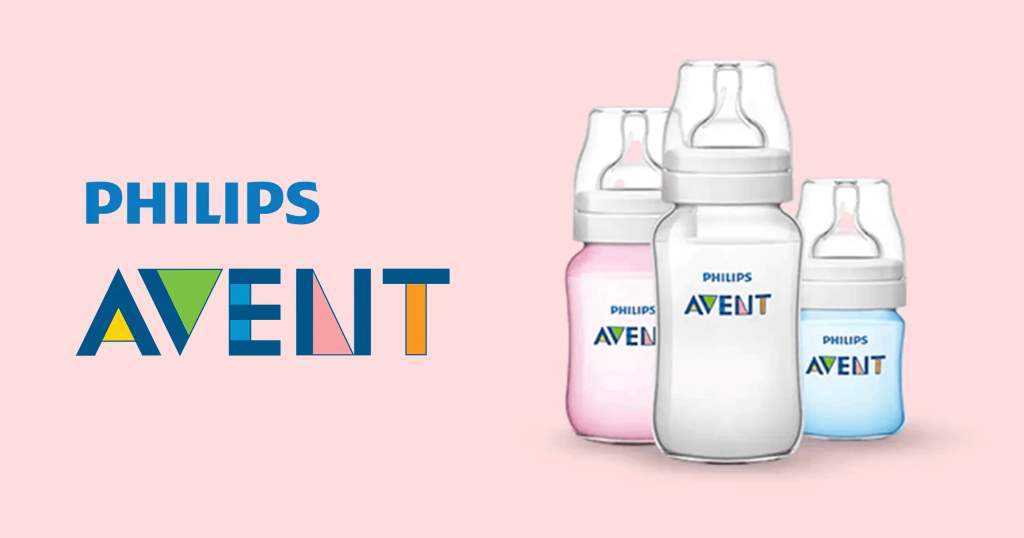
Imagine your little one crying endlessly after a feed, their tiny tummy bloated with discomfort. Many parents face this challenge with gassy babies, but solutions exist to ease those tough moments. Philips Avent anti-colic bottles offer a reliable way to minimize air intake during feeding, which often causes gas and fussing. According to the National Institutes of Health, infant colic affects 5 to 19 percent of babies, leading to excessive crying in otherwise healthy infants. Additionally, a 2025 study from News-Medical.net reports that colic impacts 20 to 30 percent of infants worldwide in their first months. For parents seeking relief, anti-colic baby bottles for gas like these provide a practical approach. This article explores how these bottles work, their benefits, and tips to support your baby’s comfort.
Understanding Infant Colic and Gas
Parents often worry when their baby cries for hours without an obvious reason. Infant colic typically starts around two weeks old and peaks at six weeks. Symptoms include intense crying, clenched fists, and a red face. Gas builds up in the digestive system, making matters worse. Babies swallow air while feeding, which ferments in their gut and causes pain.
Moreover, research shows colic resolves by three to four months in most cases. For instance, a study in The Journal of Pediatrics found colic prevalence drops from 17 to 25 percent in the first six weeks to just 0.6 percent by 10 to 12 weeks. However, during those early weeks, discomfort disrupts sleep for everyone. Gas stems from immature digestion, fast feeding, or air ingestion. Recognizing these signs helps parents act quickly.
Furthermore, colic isn’t just about gas. Allergies or sensitivities sometimes play a role. Yet, many experts agree swallowed air is a key factor. Therefore, choosing the right feeding tools matters greatly. Philips Avent addresses this directly with innovative designs.
How Philips Avent Anti-Colic Bottles Work
These bottles stand out for their smart engineering. The system focuses on reducing air in milk. Parents appreciate the simplicity. First, the AirFree vent pulls air away from the nipple. This keeps the nipple full of milk, even if the bottle tilts horizontally.
Next, the vent allows upright feeding positions. Babies swallow less air this way. Additionally, the nipple features a ribbed texture to prevent collapse. Feedings flow smoothly without interruptions. The wide neck design aids quick assembly and cleaning too.
Moreover, compatibility adds flexibility. Use the bottles with or without the vent. They fit various nipple flows for different ages. Overall, this setup mimics natural breastfeeding rhythms. Parents notice fewer burps and spits right away.

The Innovative AirFree Vent System
The AirFree vent changes everything for gassy infants. It draws air bubbles into the bottle base. Consequently, milk stays pure at the nipple. Babies get nourishment without extra air.
In addition, clinical tests back this up. Philips claims babies show less colic at two weeks compared to other brands. For example, 80 percent of moms in a 2017 U.S. study agreed on fewer issues. This vent promotes digestion by limiting gas buildup.
Furthermore, setup is easy. Snap the vent into place before adding milk. Keep it on top during feeds. Thus, even new parents master it quickly. The system works for breast milk or formula alike.
Nipple Design and Flow Options
Nipples matter as much as the bottle. Philips Avent uses soft, flexible silicone. The shape encourages a secure latch. Ribs inside stop the nipple from buckling under suction.
Besides, flow levels suit growing babies. Start with slow flow for newborns. Move to medium or fast as they develop. This prevents overfeeding, which worsens gas.
Additionally, the design supports combo feeding. Breastfed babies transition easily. Parents report smoother switches between breast and bottle. Hence, it reduces confusion and frustration for infants.
Benefits of Using Philips Avent Bottles
Switching to these bottles brings real relief. First, reduced colic means calmer evenings. Babies fuss less at night, per clinical data.
Second, less gas leads to better sleep. Parents share stories of peaceful routines. For instance, one mom noted her baby spit up half as much.
Third, easy cleaning saves time. Fewer parts mean less hassle. Dishwasher safe too.
Moreover, BPA-free materials ensure safety. No harmful chemicals leach into milk.
Finally, versatility shines through. Use for pumping, storing, or direct feeding. This all-in-one approach simplifies parenting.
- Less Discomfort: Minimizes swallowed air for happier tummies.
- Better Digestion: Upright feeding aids natural processes.
- Parent Confidence: Proven results build trust in daily use.
Comparing Philips Avent to Other Anti-Colic Options
Many brands promise gas relief. Dr. Brown’s uses a vent tube system. It effectively removes air but has more parts to clean.
On the other hand, MAM bottles feature a base vent. They self-sterilize in microwaves, adding convenience.
However, Philips Avent balances simplicity and effectiveness. The AirFree vent needs no extra tubes. Parents prefer this for quick setups.
Additionally, studies on anti-colic designs show varied success. A ResearchGate paper on similar bottles noted symptom relief in colicky infants.
Yet, user reviews favor Avent for comfort. Reddit parents say it makes a “night and day” difference.
In contrast, some glass options feel heavier. Plastic Avent bottles are lightweight and durable.
Overall, Avent excels in ease and proven outcomes.
Tips for Feeding Gassy Babies
Feeding a colicky baby requires patience. Start with paced bottle feeding. Hold the bottle horizontal to control flow.
Then, burp every ounce or two. Pat gently on the back. This releases trapped air early.
Moreover, keep baby upright after feeds. Wait 15 to 30 minutes. Gravity helps settle milk.
Additionally, try gentle tummy massages. Rub clockwise to move gas along.
If breastfeeding, check latch quality. Poor latches increase air intake.
Furthermore, avoid overfeeding. Stick to hunger cues. Small, frequent meals work best.
- Watch for signs like arching back.
- Use white noise to soothe during cries.
- Walk or rock to calm nerves.
Parents find these steps amplify bottle benefits. Combine them for optimal results.
Real Parent Stories: Experiences with Philips Avent
Sarah, a first-time mom, struggled with her son’s nightly cries. Gas bubbles kept him awake. She tried Philips Avent on a friend’s advice.
Quickly, feeds improved. Less air meant fewer burps. Sarah slept better too.
Similarly, Mike and his wife used them for twins. One twin had severe reflux. The upright position helped immensely.
They shared, “Nights turned peaceful. We recommend them to everyone.”
Another story comes from online forums. A parent noted reduced spit-up after switching. Their baby smiled more during meals.
These tales show real impact. Parents feel empowered. Bottles become trusted allies in early days.
Integrating Anti-Colic Bottles into Daily Routines
Daily life gets easier with these tools. Prep bottles in advance for outings. The leak-free design prevents messes.
Besides, sterilize regularly. Boiling or steam works fine.
Transition smoothly from breast to bottle. Pump into Avent for consistency.
Moreover, track feeding patterns. Note improvements in fussiness.
As babies grow, adjust flows. This keeps comfort high.
Parents often combine with other soothing methods. Swaddling pairs well during colic peaks.
Thus, routines flow better. Family bonds strengthen without constant worry.
Latest Research on Anti-Colic Solutions
Recent studies highlight air reduction’s role. A 2024 Wiley paper examined bottle claims. It noted vents help prevent flatulence and burping.
Additionally, PMC research in 2022 showed remedies like vents ease distension.
However, no single fix cures all. Combined approaches work best.
Furthermore, experts stress early intervention. Addressing gas prevents escalation.
Philips bases claims on home tests. Moms confirm fewer issues.
This evidence builds trust. Parents choose informed options.
Potential Causes of Persistent Gas
Sometimes gas lingers despite good bottles. Food sensitivities might culprit.
For example, dairy in mom’s diet affects breastfed babies.
Additionally, fast let-down causes gulping.
Consult pediatricians if cries persist. They rule out other issues.
However, most cases resolve naturally. Patience pays off.
Track symptoms in a journal. Patterns emerge over time.
Thus, stay proactive. Adjust as needed.
Supporting Baby’s Digestive Health Beyond Bottles
Diet plays a part. Probiotics sometimes help, per doctor advice.
Moreover, tummy time strengthens muscles. This aids gas passage.
Additionally, warm baths relax tummies.
Bicycle legs exercise bubbles out. Move gently.
Furthermore, consistent schedules regulate digestion.
Parents report holistic methods enhance bottle effects.
Combine for comprehensive care.
Conclusion
Philips Avent anti-colic bottles deliver reliable relief for gassy babies through smart vents and designs. They reduce air intake, ease colic, and promote better feeds. Benefits include less fussing, improved sleep, and easy use. Tips like burping and upright holding amplify results. Real stories confirm their value in daily life. Research supports these innovations for digestive comfort. Now, try Philips Avent yourself. Visit a store or online retailer to start your baby’s happier journey today.
FAQs
What Makes Philips Avent Bottles Effective Against Colic?
The AirFree vent keeps nipples full of milk. Babies swallow less air. This reduces gas and discomfort directly.
How Do I Clean Philips Avent Anti-Colic Bottles?
Disassemble parts first. Wash with warm soapy water. Use a brush for vents. Sterilize by boiling or steaming regularly.
Can I Use These Bottles for Breastfed Babies?
Yes, the natural shape aids transitions. Combo feeding works well. Many parents alternate without issues.
When Should I Switch Nipple Flows?
Start slow for newborns. Move up around one to three months. Watch for frustration or fast drinking signs.
Do Anti-Colic Bottles Work for All Babies?
Most see improvements. However, consult doctors for persistent colic. Individual needs vary.