
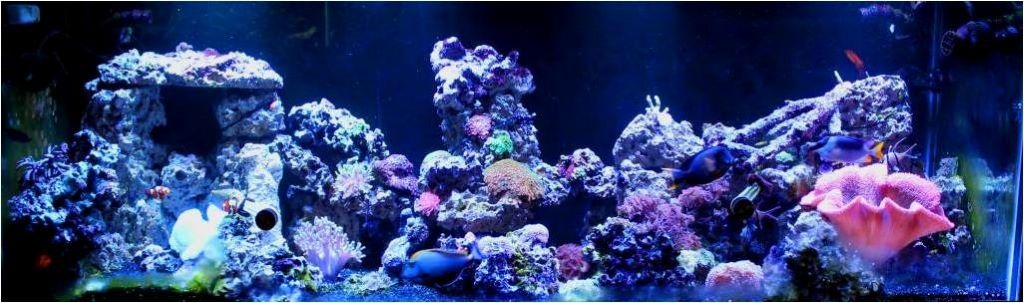
Creating a thriving reef aquarium isn’t just a hobby—it’s a carefully balanced science. While many aquarists focus on coral species and fish compatibility, the core pillars—lighting, filtration, and flow—often determine long-term success. Understanding these elements not only boosts coral health but also enhances biodiversity, stability, and the overall aesthetic appeal of your reef tank.
Why Lighting Is More Than Just Illumination
Lighting drives photosynthesis in corals. It affects coloration, growth rates, and even the reproductive cycles of reef inhabitants. Most corals, especially SPS (Small Polyp Stony) types, depend on intense lighting to feed via their symbiotic zooxanthellae.
According to a study published in Frontiers in Marine Science, optimal PAR (Photosynthetically Active Radiation) levels for SPS corals range from 200 to 450 µmol/m²/s. Yet, soft corals thrive at lower levels, often between 50 to 150 µmol/m²/s. The mistake many beginners make is using generic aquarium lights without spectrum control. Quality reef LEDs like the Radion XR30 or Kessil A360X offer programmable spectrums, emulating natural sunlight and moonlight cycles.
However, too much intensity causes photoinhibition, where corals expel their zooxanthellae. This is known as coral bleaching. Therefore, gradual acclimation to lighting changes is critical.
Expert Tip: Use a PAR meter to measure light levels at various tank depths. Adjust LED settings weekly to mimic nature.
Filtration: The Invisible Engine Behind Clean Water
Filtration is more than removing visible debris—it’s the lifeline of your reef’s water quality. An efficient filtration system balances biological, mechanical, and chemical components to prevent ammonia spikes, nitrate build-up, and phosphate imbalances.
Biological filtration uses live rock and bio-media to house nitrifying bacteria. According to Reef Builders, tanks with at least 1 to 1.5 pounds of live rock per gallon show more stable nitrogen cycles.
Mechanical filtration, such as filter socks or sponges, captures suspended particles. However, these require regular maintenance. Neglecting them turns them into nutrient bombs.
Chemical filtration uses activated carbon, GFO (granular ferric oxide), or resins to remove toxins and unwanted elements. While powerful, overusing these can strip trace elements, stunting coral growth.
Professional Insight: Protein skimmers are non-negotiable. They remove dissolved organic compounds before they break down. A good skimmer increases oxygen levels and reduces maintenance.
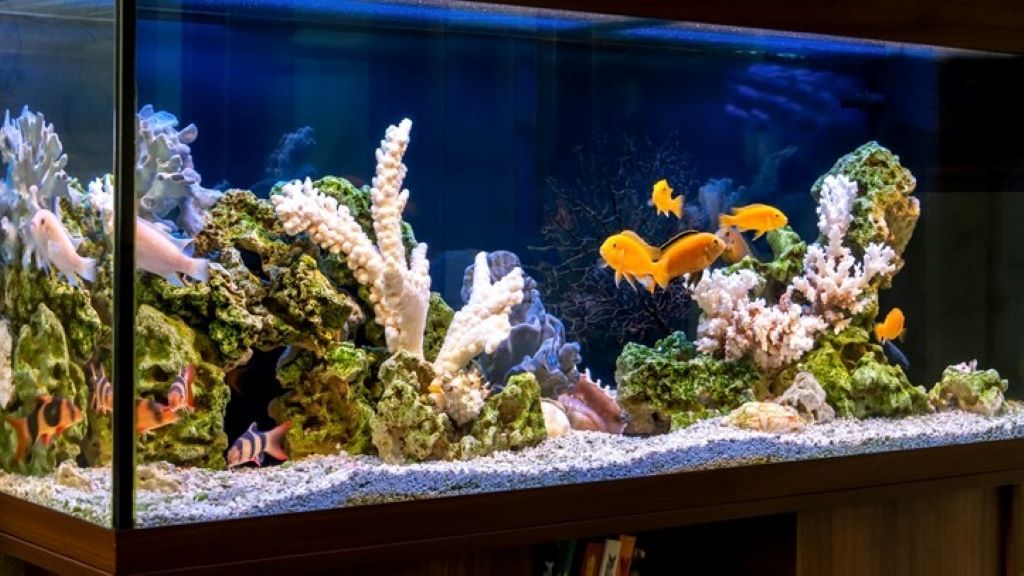
Flow: The Pulse of a Thriving Reef Ecosystem
Water movement mimics tidal and wave actions. It brings nutrients to corals, flushes waste away, and prevents detritus buildup. Without proper flow, dead zones form, leading to algae outbreaks and unhealthy coral.
Reef tanks should have a turnover rate between 20–40 times per hour. For example, a 75-gallon reef tank needs a combined flow rate of 1,500 to 3,000 GPH. This can be achieved using powerheads, wavemakers, and return pumps.
Tunze, Ecotech MP40, and Nero 5 are leading names for creating customizable flow patterns. Random, pulsed, or gyre flows simulate real ocean conditions better than constant linear streams.
Logic Behind This: Corals like Acropora demand strong, turbulent flow, while LPS corals prefer gentle sways. Improper flow causes tissue recession and poor polyp extension.
Pro Tip: Position wavemakers diagonally to avoid blasting corals directly. Use random flow controllers to prevent detritus accumulation.
Featured Snippet – Trending Question:
What Are the Most Important Elements in a Reef Tank Setup?
The three critical elements in a reef tank setup are lighting, filtration, and water flow. Lighting powers coral photosynthesis, directly affecting their health and coloration. Filtration ensures water clarity and chemical stability by removing toxins, waste, and debris. Meanwhile, flow replicates natural water movement, delivering nutrients and eliminating dead zones. Without proper attention to these essentials, even the most well-stocked reef tanks can quickly decline. Tools like PAR meters, protein skimmers, and programmable wavemakers are must-haves for modern reef keepers aiming for long-term success.
Real-World Example: From Disaster to Success
Jake Adams, founder of Reef Builders, once shared how neglecting water flow led to cyanobacteria outbreaks in one of his nano reef tanks. After adding two strategically placed powerheads, nutrient distribution improved, and the red slime algae vanished within weeks.
This illustrates how one missing link—flow—can compromise even a well-lit, well-filtered reef.
Frequently Asked Questions
- How long should I run reef tank lights daily?
8 to 12 hours, mimicking tropical daylight cycles. Use a controller for sunrise/sunset transitions. - What type of filtration is best for reef tanks?
A combo of biological, mechanical, and chemical filtration offers balanced water quality. - Can too much flow harm corals?
Yes, especially LPS or soft corals. Always match flow intensity to coral species. - Do all reef tanks need a skimmer?
Not mandatory, but highly recommended for nutrient control and oxygenation. - How often should I change filter media?
Every 1–2 weeks for mechanical media; monthly or as needed for chemical media. - What’s the best light spectrum for coral growth?
10,000K–20,000K with strong blue and UV output enhances photosynthesis and coloration. - Is live rock still necessary in modern reef tanks?
Yes, it remains the cornerstone of biological filtration and microfauna diversity.
Final Thought
A stunning, healthy reef tank isn’t achieved through chance. It’s built on a foundation of precision and understanding of lighting, filtration, and flow. Each component plays a distinct yet interconnected role. When balanced, they create a stable, vibrant underwater ecosystem that mirrors the ocean’s beauty.
Whether you’re a beginner or seasoned reefer, consistently evaluating and adjusting these essentials ensures your corals not only survive—but flourish. Invest in quality gear, understand your coral species, and most importantly, never stop learning. The reefing journey is as endless and rewarding as the ocean itself.
Read More:
Fish Tank Water: Liquid Gold for Your Plants?
7 Secrets About Sustainable Aquarium Fish Sourcing You Can’t Ignore


