Parking lot safety tips, while essential for accessing various establishments, can present unique challenges for people with disabilities. Ensuring safety and accessibility in these spaces is paramount to promoting inclusivity and independence. This article delves into the multifaceted aspects of parking lot safety for individuals with disabilities, covering design considerations, legal requirements, best practices, and potential hazards.
Design Considerations for Accessible Parking
Accessible parking spaces are not merely wider; they are thoughtfully designed to accommodate the needs of individuals with disabilities. Key design elements include:
- Van Accessible Spaces: These spaces are even wider to accommodate wheelchair lifts and provide ample room for maneuvering.
- Signage: Clear and visible signage indicating accessible parking is crucial. Signs should include the International Symbol of Access (ISA).
- Location: Accessible spaces should be located closest to the building entrance, minimizing the distance individuals need to traverse.
- Curb Ramps: Properly designed curb ramps allow for smooth transitions from sidewalks to parking areas.
- Clear Pathways: Pathways leading to accessible spaces should be free of obstacles, ensuring safe navigation.
Legal Requirements and Standards
Numerous laws and regulations mandate accessible parking. In the United States, the Americans with Disabilities Act (ADA) establishes guidelines for accessible parking spaces, including dimensions, signage, and van accessibility. These regulations apply to both public and private parking facilities. To understand more about these requirements and how much a semi-truck weighs without a trailer, you can read more about the specific standards and their applications in various contexts.
Best Practices for Parking Lot Operators
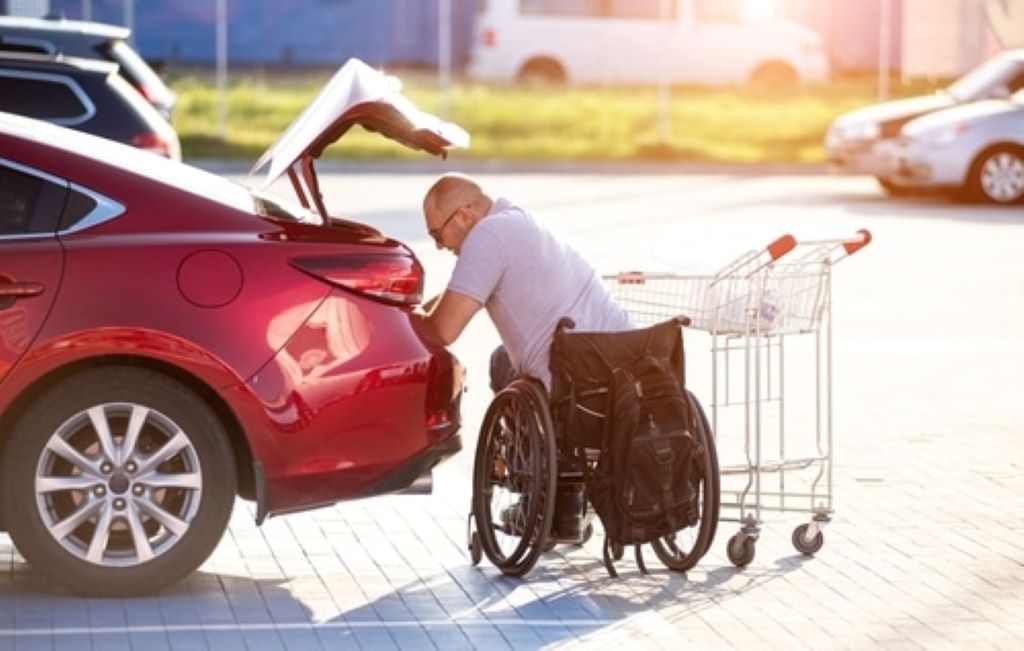
Parking lot operators play a pivotal role in ensuring the safety of individuals with disabilities. Best practices include:
- Regular Maintenance: Routinely inspect and maintain accessible parking spaces, ensuring they remain free of debris, snow, and other obstructions.
- Enforcement: Enforce accessible parking regulations diligently. Unauthorized vehicles parked in accessible spaces should be ticketed or towed.
- Security: Consider installing surveillance cameras in accessible parking areas to deter vandalism and enhance safety.
- Lighting: Adequate lighting is essential, especially during nighttime hours. Well-lit parking lots improve visibility and deter crime.
Potential Hazards and Parking Lot Safety Tips
Despite design considerations and legal requirements, parking lots can present various hazards for people with disabilities:
- Uneven Surfaces: Uneven pavement, potholes, or cracks can pose tripping hazards, particularly for individuals using mobility aids.
- Moving Vehicles: Traffic in parking lots can be unpredictable. Drivers should exercise caution and be aware of pedestrians.
- Poor Visibility: Inadequate lighting or glare can make it difficult to see pedestrians, especially during inclement weather.
- Crime: Unfortunately, accessible parking spaces can be targets for theft or vandalism.
Finding Used Parts: Your Car Junk yard Guide to Saving Money
To enhance safety, individuals with disabilities can adopt the following practices:
- Park in Designated Spaces: Always park in designated accessible spaces to ensure ample room and access to curb ramps.
- Be Visible: Wear bright or reflective clothing, especially at night or in low-visibility conditions.
- Use Caution: When exiting a vehicle, scan the surroundings for approaching vehicles and pedestrians.
- Carry a Mobile Phone: Having a mobile phone allows for quick access to assistance in case of an emergency.
- Report Issues: If encountering inaccessible conditions or safety hazards, report them to parking lot operators or relevant authorities.
Related: Williams Socket Sets: Empowering DIY Auto Repairs with Precision and Durability
Technological Advancements in Parking Lot Safety Tips
Technology is playing an increasingly important role in enhancing parking lot safety for individuals with disabilities. Smart parking systems can:
- Identify Available Spaces: Sensors or cameras can detect available accessible parking spaces and guide users to them.
- Monitor Accessibility: Technology can monitor the condition of accessible spaces, alerting operators to any issues or obstructions.
- Enhance Security: Surveillance cameras and other security measures can deter crime and provide valuable evidence in case of incidents.
Conclusion
Parking lot safety tips for people with disabilities is a multifaceted issue that requires a comprehensive approach. By prioritizing accessible design, adhering to legal requirements, implementing best practices, and leveraging technology, we can create parking environments that are safe, inclusive, and accessible for everyone.
Remember, parking lots are not just spaces to leave vehicles; they are gateways to destinations. Ensuring the safety and accessibility of these spaces is an essential step toward fostering a society where everyone can participate fully and independently.